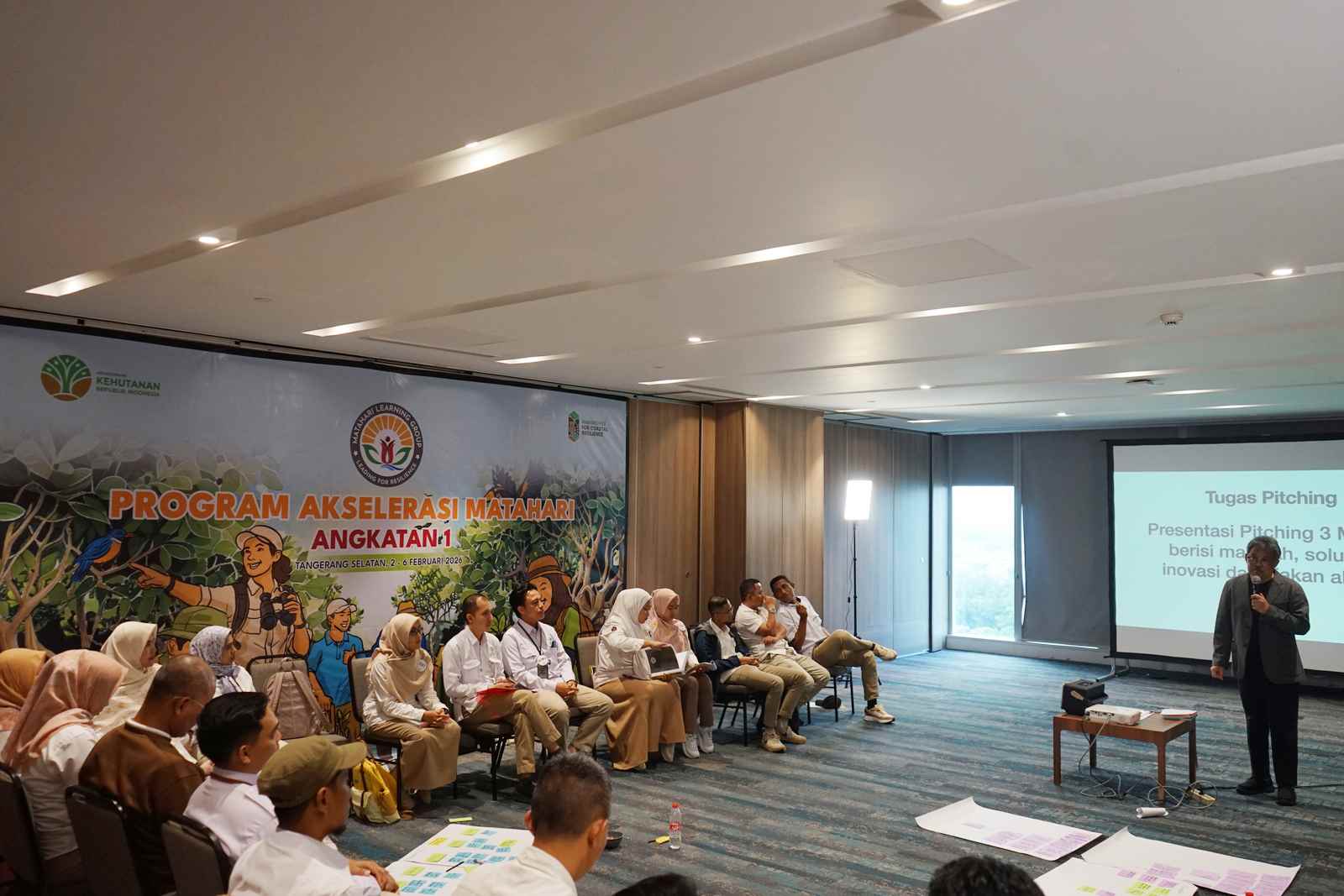
Enviro News Asia, Jakarta — Indonesia’s Ministry of Forestry has launched the first cohort of the MATAHARI Acceleration Programme, a strategic initiative aimed at strengthening leadership capacity among young civil servants in forest and mangrove management.
Organised by the Directorate of Mangrove Rehabilitation, the programme—short for Manajer Tata Kelola Hutan dan Mangrove Lestari (MATAHARI)—is designed to develop a new generation of leaders capable of working across regions, sectors, and institutional boundaries to address the complex challenges of sustainable forest governance and mangrove rehabilitation.
Indonesia holds the world’s largest mangrove ecosystem, covering more than 3.4 million hectares, or around 23 percent of global mangrove coverage, stretching from Aceh to Papua. The country also manages approximately 95.5 million hectares of forest, making it the third-largest tropical forest holder globally after Brazil and the Democratic Republic of Congo. Managing these vast ecosystems requires leadership that understands local contexts while operating effectively at the national level.
The MATAHARI programme was developed to respond to the increasingly complex conditions facing the forestry sector, characterised by Turbulence, Uncertainty, Novelty, and Ambiguity (TUNA). Beyond technical expertise, the Ministry of Forestry requires leaders who are adaptive, collaborative, and capable of guiding institutions through rapid change.
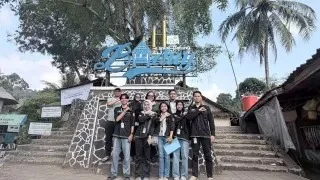
The inaugural cohort consists of 80 young civil servants from across Indonesia, with women accounting for more than one-third of participants. The programme delivered 42 hours of intensive training over five days in South Tangerang, covering topics such as Zero State Budget (Zero APBN) thinking, adaptive leadership, ecosystem-building, resilient team development, and effective communication. Participants also engaged directly with senior officials in public communication and human resource management, as well as conservation experts.
The Director of Mangrove Rehabilitation emphasized that leadership integrity and adaptability are critical determinants of ecosystem sustainability. He noted that even strong policies and regulatory frameworks may fail without leaders who are capable of responding to evolving environmental and institutional challenges.
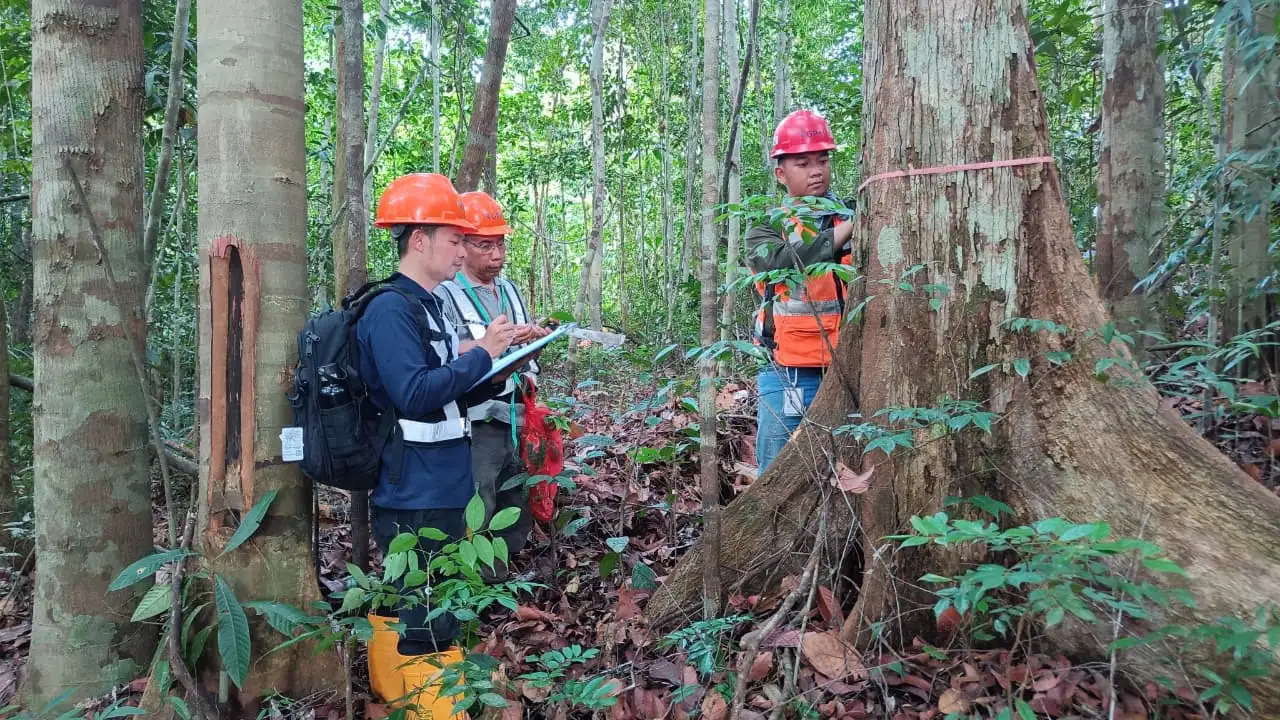
The MATAHARI Acceleration Programme is an initiative of the Directorate of Mangrove Rehabilitation and is supported by the Mangroves for Coastal Resilience (M4CR) Project. Through M4CR, the Ministry of Forestry has strengthened the capacity of mangrove management personnel and supported the planting of 20.8 million mangrove seedlings between 2024 and 2025.
As of 2025, the M4CR Project has rehabilitated 15,574 hectares of mangroves across four priority provinces: North Kalimantan, North Sumatra, Riau, and East Kalimantan. These efforts contribute to Indonesia’s broader commitments to climate resilience, coastal protection, and sustainable forest management. (*)