Enviro News Asia, Jakarta — The Indonesian government continues to strengthen its environmental conservation efforts through education. The Ministry of Primary and Secondary Education (Kemendikdasmen) and the Ministry of Forestry have officially signed a Memorandum of Understanding (MoU) on cooperation in the fields of education and forestry. This agreement marks an important milestone in advancing environmental literacy and fostering forest stewardship from an early age.
Minister of Primary and Secondary Education Abdul Mu’ti emphasized that this cross-sector collaboration will bring education closer to nature.
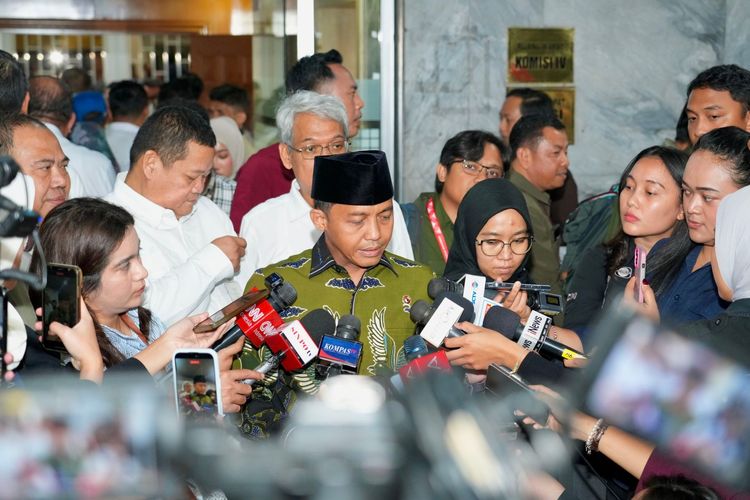
“This cooperation not only strengthens formal education but also cultivates environmental awareness and responsibility among students. Children must learn directly from nature so they can grow into a generation that loves and protects the environment,” Abdul Mu’ti stated during his remarks in Jakarta on Monday (October 13).
Secretary-General of the Ministry of Education Suharti explained that the MoU is the result of intensive discussions between the two ministries. The scope of cooperation includes human resource capacity building, development of teaching materials supporting forest conservation, and curriculum enhancement, particularly in vocational high schools (SMKs) specializing in forestry. Both ministries will also collaborate in utilizing educational data, facilities, and infrastructure synergistically.
“We will prepare a joint work plan and conduct regular monitoring and evaluation to ensure that this collaboration produces tangible impacts for students, educational institutions, and the wider community,” Suharti said.
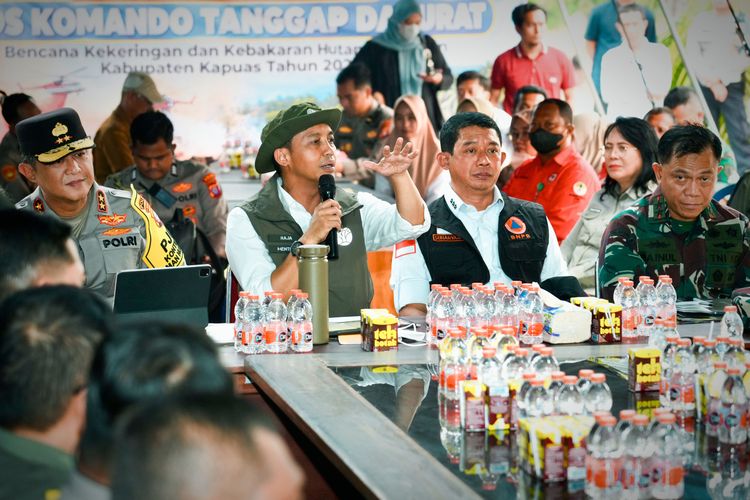
Meanwhile, Minister of Forestry Raja Juli Antoni welcomed this strategic step, viewing it as a key momentum to strengthen vocational forestry education.
“This synergy will enhance the role of forestry vocational schools in producing competent graduates who can contribute to sustainable forest management,” said Raja Juli.
Currently, there are five state forestry vocational schools in Indonesia — located in Pekanbaru, Majalengka, Makassar, Samarinda, and Manokwari — along with more than 30 private forestry vocational schools, all expected to benefit directly from this partnership.
In its implementation, the education minister emphasized the importance of integration without adding new curriculum burdens. Forest and biodiversity conservation topics will be incorporated through various learning formats, including supplementary reading materials for students.
Through this collaboration, both ministries are committed to nurturing a smart, character-driven, and environmentally aware young generation — one that not only loves the forest but is also capable of preserving it as a vital legacy for Indonesia’s future. (*)