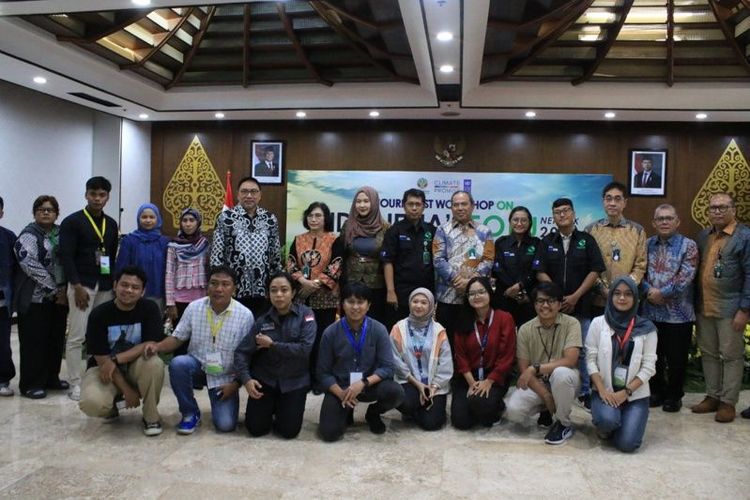
Enviro News Asia, Jakarta – The Ministry of Forestry, through its Bureau of Public Relations and International Cooperation, organized a workshop aimed at strengthening the role of journalists in supporting national climate action, particularly Indonesia’s Forest and Other Land Use Net Sink (FOLU Net Sink) 2030 initiative.
The workshop took place from May 16–17, 2025, in Jakarta and Bogor, and was supported by the UK Department for Environment, Food and Rural Affairs (Defra) and the United Nations Development Programme (UNDP).
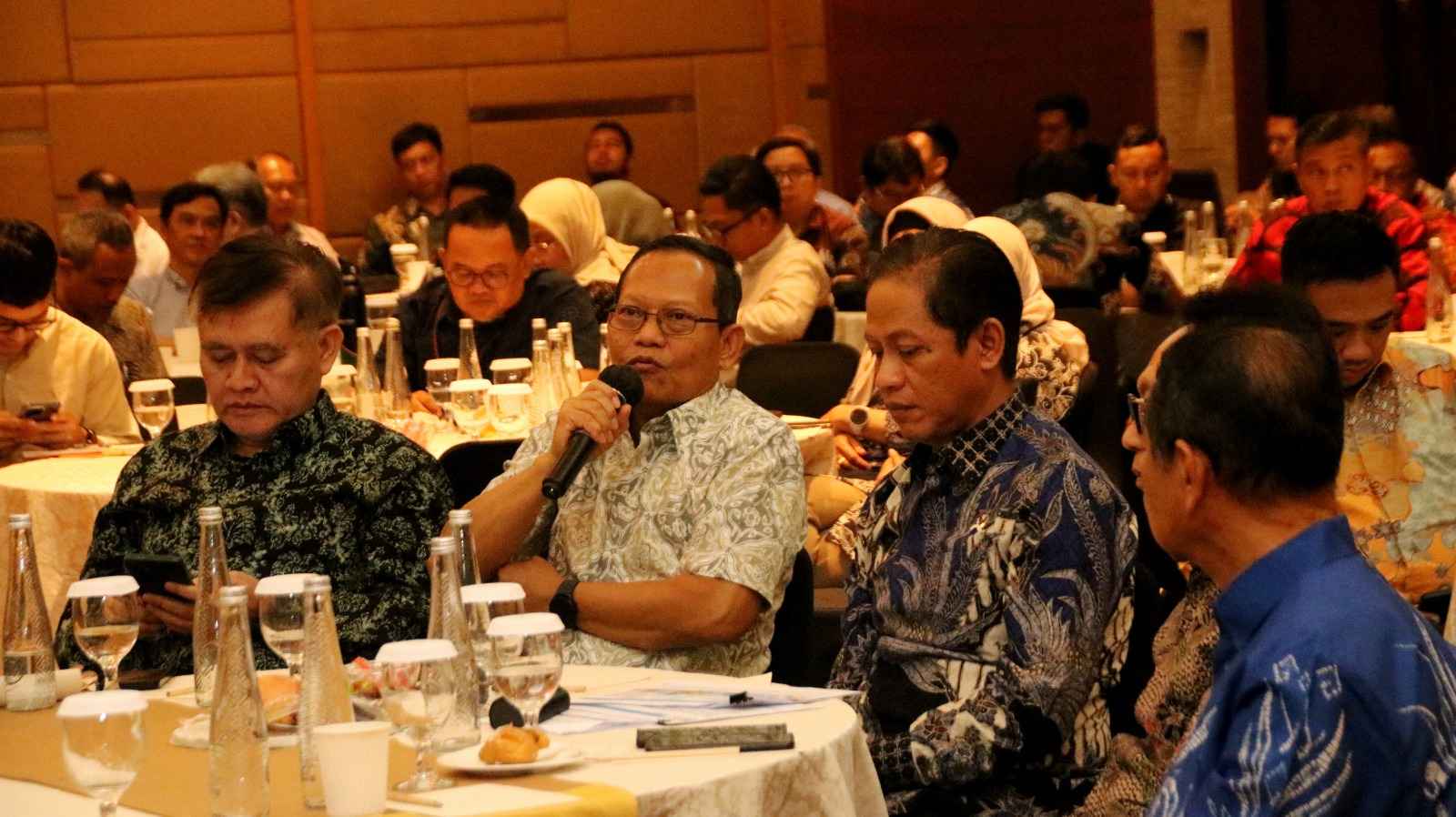
The event was officially opened by the Secretary General of the Ministry of Forestry, Mahfudz, and featured speakers from various sectors, including the Indonesia FOLU Net Sink 2030 Task Force, business actors, civil society organizations, academia, and NGOs.
Participants also took part in a field visit to the Rumpin Nursery in Bogor to observe firsthand the on-the-ground implementation of the FOLU Net Sink agenda.
FOLU Net Sink is one of Indonesia’s key strategies to meet its greenhouse gas (GHG) emissions reduction targets.
The agenda aims for the forestry and other land use sectors to become a net carbon sink by 2030—meaning they will absorb more carbon emissions than they emit.
This commitment forms a critical component of Indonesia’s Nationally Determined Contribution (NDC) under the Paris Agreement, which was ratified through Law No. 16 of 2016.
By focusing on reducing deforestation, restoring forests and peatlands, and promoting sustainable forest management, Indonesia is not only contributing to global climate goals, but also improving environmental governance, creating green jobs, and supporting economic resilience and public welfare.
However, the path to realizing the FOLU Net Sink 2030 vision is not without challenges. Issues such as land-use conflicts, limited technical capacity at the local level, and the need for more integrated funding and data management underscore the importance of multi-stakeholder collaboration.
In this context, the media plays a pivotal role in shaping public understanding, promoting transparency, and holding policymakers accountable.
Journalists, as agents of change, have a unique ability to inspire inclusive participation, amplify community voices across different backgrounds, races, genders, and age groups—including vulnerable populations—and ensure the equitable distribution of sustainable development benefits.
Krisdianto, Head of the Bureau of Public Relations and International Cooperation at the Ministry of Forestry, highlighted the importance of partnerships.
“Through this training, we hope journalists can become strategic partners in disseminating constructive information and driving real action at the grassroots level,” he said.
He also emphasized the need for ongoing and effective communication so that both the public and the media gain a comprehensive understanding of Indonesia’s contributions to global climate mitigation and adaptation efforts.
Aretha Aprilia, Head of the Nature, Climate and Energy Unit at UNDP Indonesia, underscored the importance of education and outreach in achieving inclusive climate action.
She stated, “Journalists play a crucial role in driving climate action through meaningful storytelling—highlighting community-based initiatives, uplifting local wisdom, and ensuring that the voices of vulnerable groups are included in the climate narrative.”
The training also facilitated cross-sectoral discussions by involving stakeholders from government, business, and civil society. This collaboration aimed to enrich journalists’ perspectives so they can develop balanced and evidence-based narratives.
By enhancing journalists’ capacity to report deeply and accurately on forestry and climate change issues, the Ministry of Forestry hopes the FOLU Net Sink 2030 agenda will garner widespread support—not only at the national level but also across Indonesia’s diverse regions.
This initiative demonstrates Indonesia’s leadership in sustainable forest management and climate action, while reinforcing the country’s commitment to its development priorities.
Through strengthened collaboration and informed public discourse, Indonesia is paving the way toward a low-carbon, sustainable future that delivers real benefits for all its people.