Enviro News Asia, South Tapanuli — The Ministry of Forestry clarified public statements made by the Regent of South Tapanuli regarding alleged logging permits issued in October 2025. Director General of Sustainable Forest Management (PHL) Laksmi Wijayanti stated that the information was incorrect and did not reflect the Ministry’s policies.
The Ministry initiated a comprehensive evaluation of the Forest Products Administration Information System (SIPUHH) after an instruction from the Minister in June 2025. Following the directive, the Directorate General issued Letter No. S.132/2025 on 23 June 2025, ordering the temporary suspension of all SIPUHH services for land title holders (PHAT).
Laksmi confirmed that no PHAT in South Tapanuli had been granted SIPUHH access since July 2025. She acknowledged that the Regent sent two letters in August and November 2025 requesting that SIPUHH access for all PHAT in his district remain closed. She said the Ministry complied with the request by keeping all access inactive.
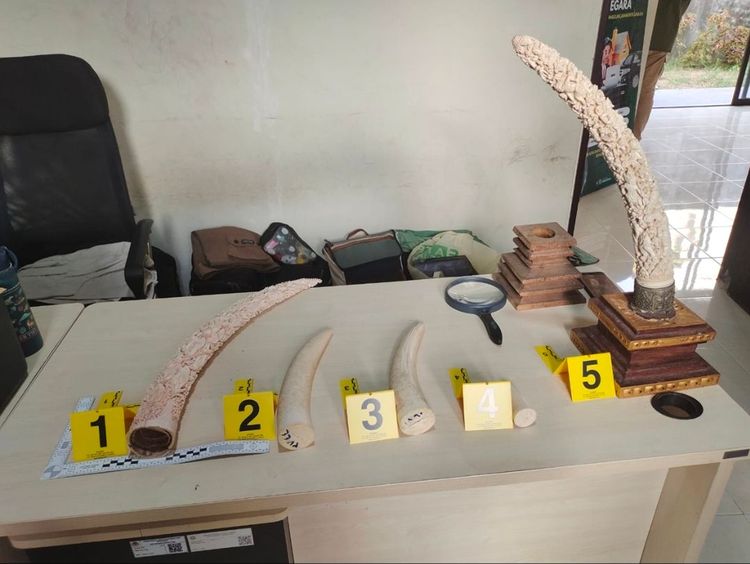
The Ministry also reported illegal activities within the PHAT area of South Tapanuli. On 4 October 2025, the Ministry’s Law Enforcement Bureau (Gakkum), working with the district government, seized four timber trucks carrying 44 m³ of wood originating from PHAT in Lancat.
Laksmi explained that SIPUHH is an administrative facility for managing naturally grown timber on non-state land categorized as other-use areas (APL). She emphasized that SIPUHH is not a licensing mechanism. Land Title Documents (HAT) fall under the authority of local governments and land agencies, while oversight of natural timber on PHAT is the responsibility of regional authorities.
She added that violations occurring inside state forest areas are handled by the Ministry’s law enforcement directorate, while timber-related offenses outside forest zones are processed under general criminal procedures in coordination with the police and local governments.
Laksmi reiterated the Ministry’s firm stance against illegal timber practices and misuse of land documents, stating that enforcement would apply equally to any violator. (*)