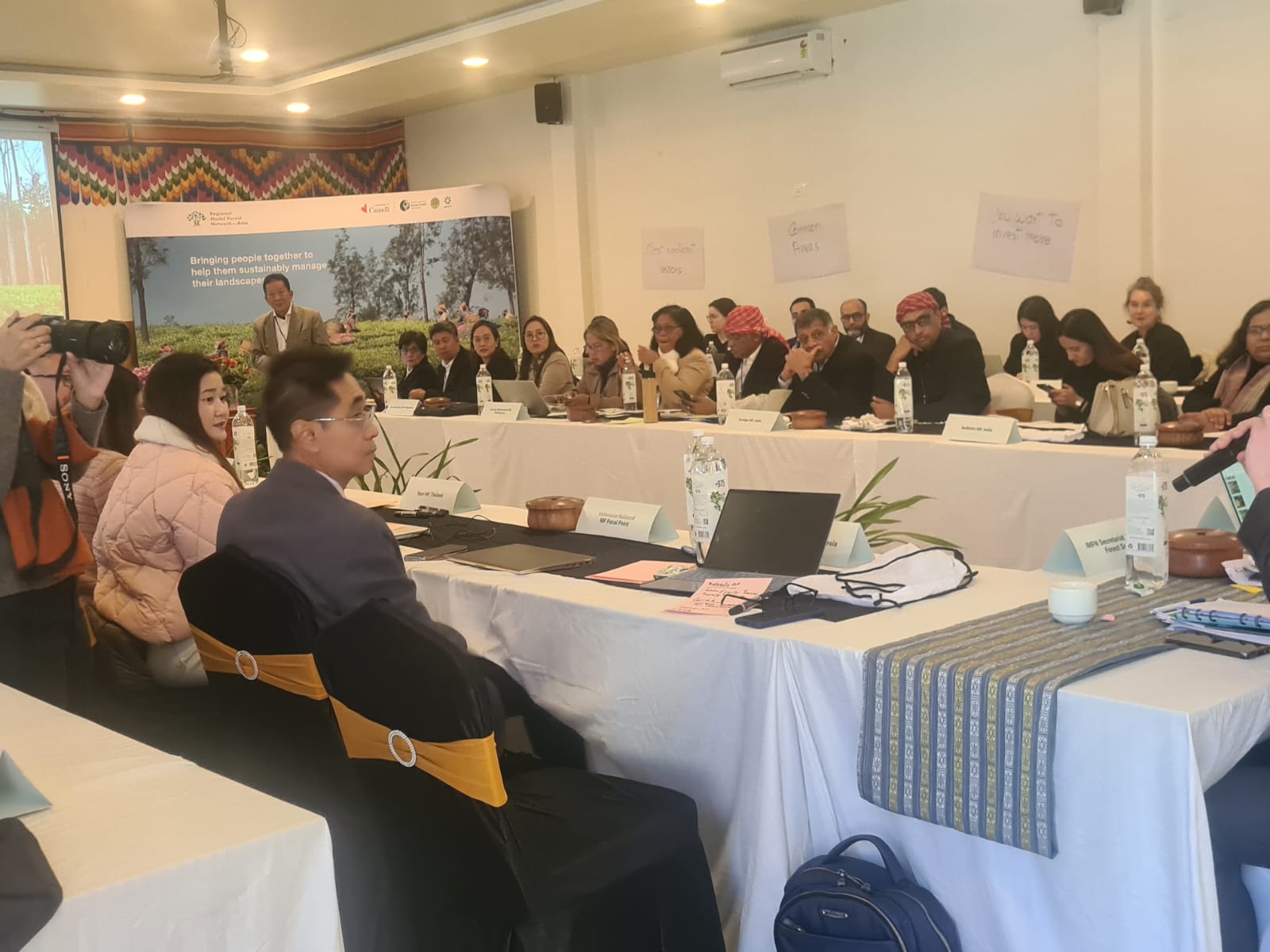
Enviro News Asia, Paro — Indonesia reaffirmed its commitment to sustainable forest management through its active participation in the 2026 Annual Advisory Committee Meeting of the Regional Model Forest Network–Asia (RMFN–Asia), held from 2 to 7 February 2026 in Paro, Bhutan. The meeting served as a strategic forum for member countries to enhance regional cooperation in forest landscape management based on the Model Forest approach.
As Indonesia’s National Focal Point of the International Model Forest Network (IMFN), Agus Justianto emphasized the importance of the forum as a platform for shared learning and strengthened regional synergy in addressing climate change, forest degradation, and community welfare.
“The Model Forest approach is not merely a technical framework for forest management, but a multi-stakeholder collaboration platform that integrates social, economic, and environmental dimensions in a balanced manner. This forum reinforces Asia’s position as a proactive region in advancing sustainable forestry,” Agus stated in an official release on Thursday (6/2).
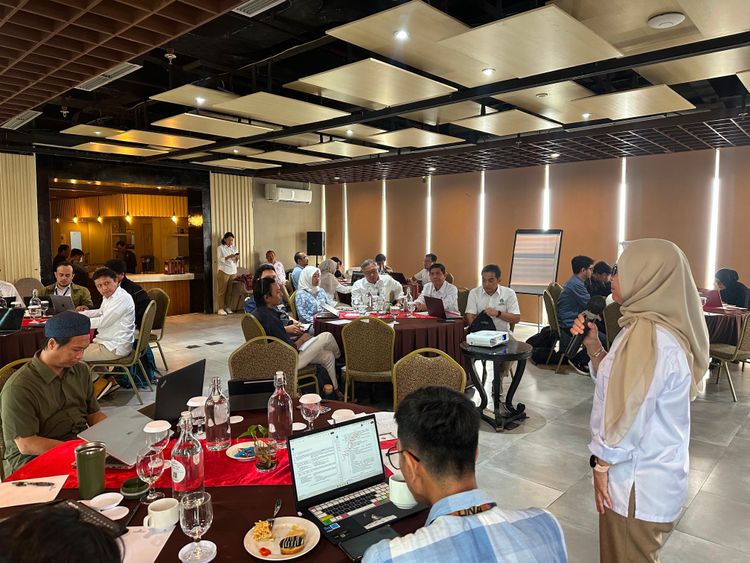
The annual meeting discussed key strategic agendas, including the evaluation of Model Forest achievements in Asia, implementation of the RMFN–Asia Strategic Plan 2025–2030, and lessons learned from forest landscape management practices in Bhutan. In addition to plenary sessions, participants joined field visits to observe community-based forest management and biodiversity conservation initiatives.
Agus noted that Indonesia used the forum to strengthen forestry diplomacy while promoting best practices aligned with national development priorities and global commitments.
“Indonesia’s experience in sustainable production forests, peatland and mangrove restoration, and community engagement represents an important contribution to the IMFN. We aim to ensure that these lessons can be replicated and adapted across countries,” he added.
Indonesia’s participation in RMFN–Asia also reflects its broader efforts to position the forestry sector as a pillar of low-carbon development. According to Agus, the Model Forest approach effectively bridges conservation, production, and community welfare within an integrated landscape framework.
The meeting, attended by approximately 60 participants from member countries and strategic partners, was organized by RECOFTC in collaboration with Bhutan’s Department of Forests and Park Services (DoFPS), with the main venue at Metta Resort and Spa, Paro. The forum involved international organizations, research institutions, and Model Forest networks from various regions.
Agus expressed hope that the outcomes of the meeting would lead to more concrete inter-country cooperation, particularly in landscape restoration, local economic development, and climate change adaptation.
“Going forward, the Model Forest network must become a driving force for innovation and cross-border collaboration. Indonesia remains committed to contributing actively to sustainable and equitable forest management,” he concluded.
In line with this commitment, Indonesia continues to strengthen its contribution through the development of the Margowitan Model Forest in East Java as a best practice in integrated landscape management. Margowitan Model Forest Focal Point John Novarly highlighted that nearly two decades of management have demonstrated the importance of multi-stakeholder collaboration in balancing community welfare and environmental conservation.
“For communities across four districts, the Margowitan forest is not only a source of livelihood but a shared asset that must be preserved for future generations. Through partnerships among Perum Perhutani, local governments, cooperatives, and communities, we continue to promote inclusive, adaptive, and people-centered forest management,” he said.
Through active participation in RMFN–Asia and the strengthening of on-the-ground practices such as Margowitan, Indonesia reinforces its role as a key driver of sustainable forest landscape management in Asia, while contributing to low-carbon development and community well-being. (*)