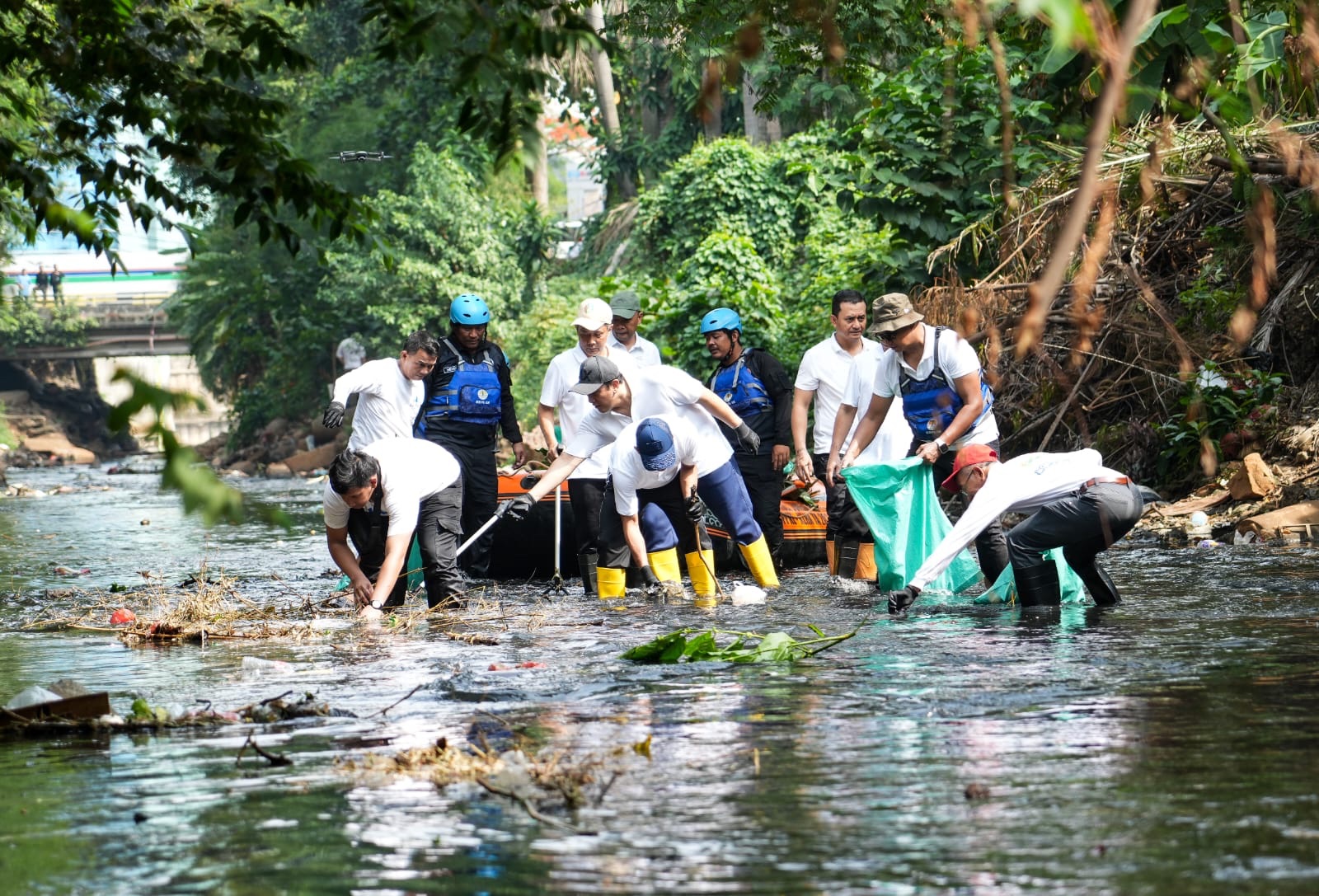
Enviro News Asia, Jakarta — Minister of Environment, Hanif Faisol Nurofiq, stated that the majority of rivers in Indonesia are polluted by waste, especially in Java. River pollution also affects 13 rivers in Jakarta. Therefore, industries are being urged to take part in addressing this issue, including by treating their waste before discharging water into rivers.
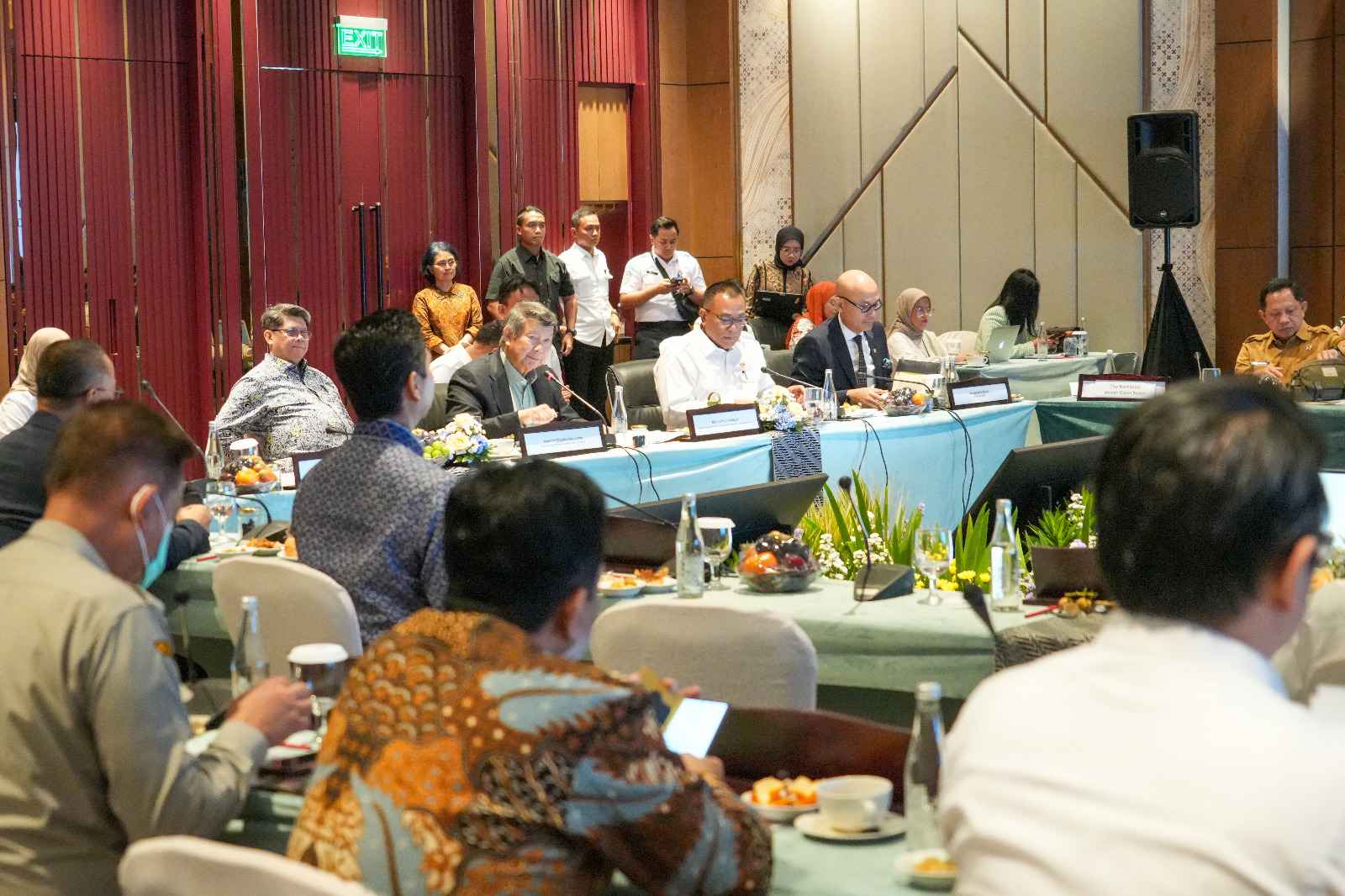
“Everyone must participate, including the industrial sector,” said Minister of Environment / Head of the Environmental Control Agency (BPLH), Hanif Faisol Nurofiq, during a meeting with business actors from industrial areas in Jabodetabek and Karawang at Bidakara Hotel, South Jakarta, on Thursday (March 10, 2025).
The meeting was held to discuss environmental management strategies. Four main issues were the focus of the discussion: waste disposal management, air quality mitigation, handling of hazardous and toxic waste (B3), and solid waste management.
Hanif revealed that in 2023, around 60 percent of waste was disposed of improperly—in rivers, on roads, or in ravines. Only around 40 percent was managed at final disposal sites (TPA).
He also acknowledged weaknesses in regulatory instruments from the previous period of the Ministry of Environment and Forestry (KLHK). “But in principle, the ‘polluter pays principle’ is emphasized in Law Number 32 of 2009. This means that whoever causes environmental pollution must be held responsible for addressing it,” he explained.
Hanif further noted that various anticipatory and mitigation measures need to be taken ahead of the dry season, which is expected to begin in late April or early May 2025. That is typically when various environmental disasters occur, including deteriorating air quality.
“Usually during the dry season, our air quality monitoring stations immediately show red levels. That’s why we invite industrial areas to discuss and implement persuasive and preventive measures to protect the environment,” Hanif said after the meeting at Bidakara Hotel, South Jakarta, on Thursday, April 10, 2025.
He added that during the dry season, air pollutants tend to form aerosols that do not settle due to the lack of rain, becoming trapped between buildings and roads, further worsening air quality. Industries also contribute to air pollution, as some release exhaust gases from boilers. Additionally, some factories still rely on coal energy.
Hanif stated that the Ministry of Environment has issued directives to regional environmental agencies to be ready to provide guidance, conduct supervision, and impose administrative sanctions on industries that fail to comply with regulations.
“As for open burning practices, we offer no tolerance. We have shut down three out of 16 identified incinerators, and legal proceedings are ongoing, although they take time as expert opinions are required,” Hanif revealed.