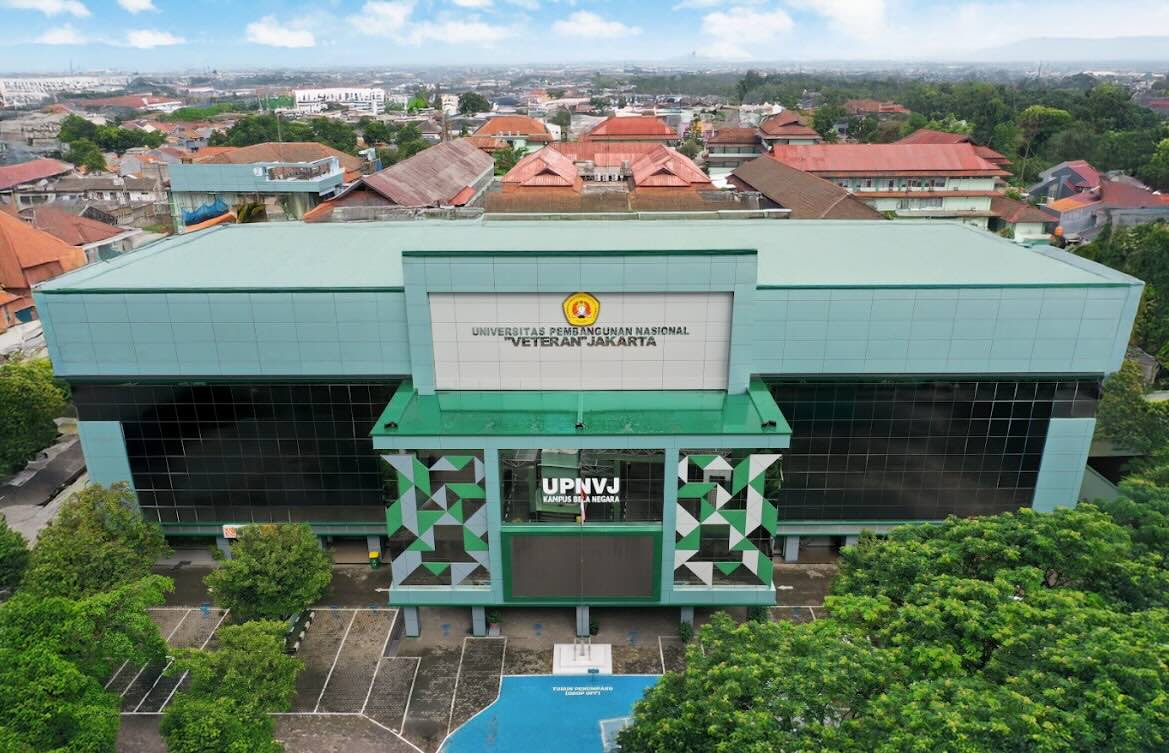
Enviro News Asia, Jakarta — Universitas Pembangunan Nasional “Veteran” Jakarta (UPNVJ) has expressed its full respect for the constitutional legal process undertaken by several lecturers through a judicial review of Indonesia’s Law on Teachers and Lecturers before the Constitutional Court (Mahkamah Konstitusi/MK). The university views the legal challenge as a legitimate expression of academic aspirations and a constitutional right exercised within Indonesia’s legal framework.
UPNVJ Rector Prof. Anter Venus affirmed that the university fully respects the ongoing judicial review process before the Constitutional Court.
“We fully respect the judicial review process at the Constitutional Court. We view it as a reflection of institutional maturity in expressing aspirations and seeking legal certainty regarding higher education governance. We understand that the current transition in Indonesia’s national civil service system presents unique challenges for many parties, and we want to ensure that dialogue will always remain open to all members of our academic community,” Prof. Anter Venus said in an interview with the media.
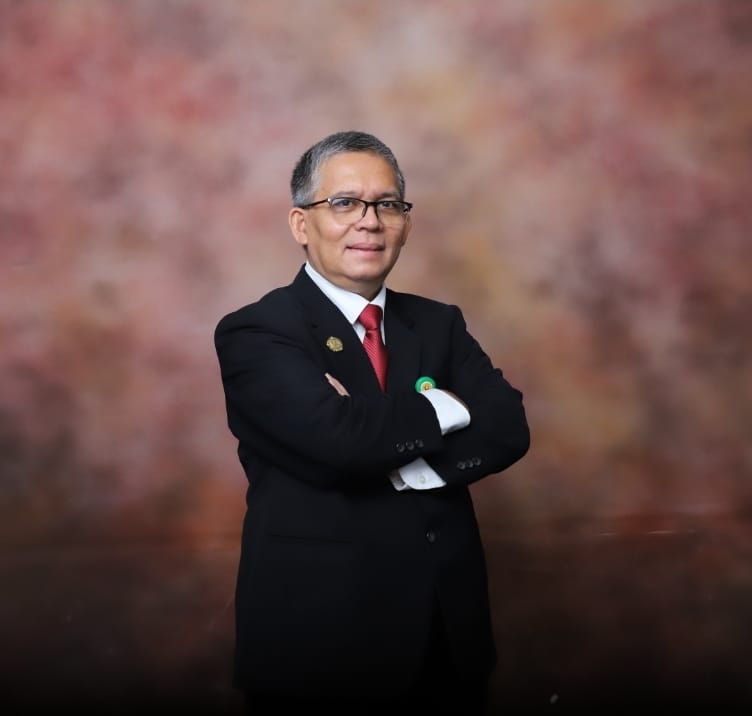
As part of the university’s responsibility to provide the public with comprehensive, transparent, and evidence-based information, Dr. A. Ahsin Tohari, S.H., M.H., Head of UPNVJ’s Bureau of Planning, Finance, and General Affairs, provided clarification regarding the financial management system of universities operating under Indonesia’s Public Service Agency (Badan Layanan Umum/BLU) scheme, which grants public institutions greater financial management flexibility while maintaining government oversight.
Ahsin said he understands and empathizes with public concerns arising from reports indicating that the base salary of an Assistant Professor (Asisten Ahli/AA) is approximately Rp3.17 million (around US$190) per month.
“That figure is indeed correct as the basic salary benchmark,” Ahsin explained to reporters.
He emphasized, however, that lecturers’ overall income consists of multiple integrated compensation components.
“The income structure for lecturers is built from various complementary components. It is the combined value of all these components that ultimately forms a proportional total take-home pay. We ensure that all financial entitlements are managed professionally through a centralized and accountable banking payroll system. Every employee’s financial rights are distributed regularly and on time, without delay, in accordance with regulations governing Public Service Agency (BLU) financial management,” he said.
Beyond salary, UPNVJ also clarified its meal allowance policy. To ensure fairness and objectivity for all employees, the university has implemented a facial recognition-based attendance system integrated through each employee’s mobile device. The meal allowance, set at Rp37,000 per day, is paid proportionally based on each employee’s verified physical attendance recorded by the system.
“Our attendance system is transparent and can be monitored directly by every employee. The meal allowance received is automatically calculated based on physical attendance records. We ensure that this system applies equally to all employees without exception, as part of the university’s responsibility to maintain accountable management of public funds,” Ahsin added during the interview.
Concluding its statement, UPNVJ reaffirmed its commitment to maintaining a human-centered, educational, fair, transparent, honest, and accountable approach in institutional governance. By respecting the legal process currently underway at the Constitutional Court, the university expressed hope that all parties will continue working together to uphold personal integrity, preserve a constructive academic environment, and achieve the best possible outcome through the ongoing judicial review process. (*)