Palm oil one of the most widely used ingredients in global food and consumer products, is under growing pressure as concerns over deforestation and environmental damage intensify, even as demand continues to rise. The challenge of making the industry sustainable has become increasingly urgent as governments, businesses, and consumers confront its environmental and social impacts.
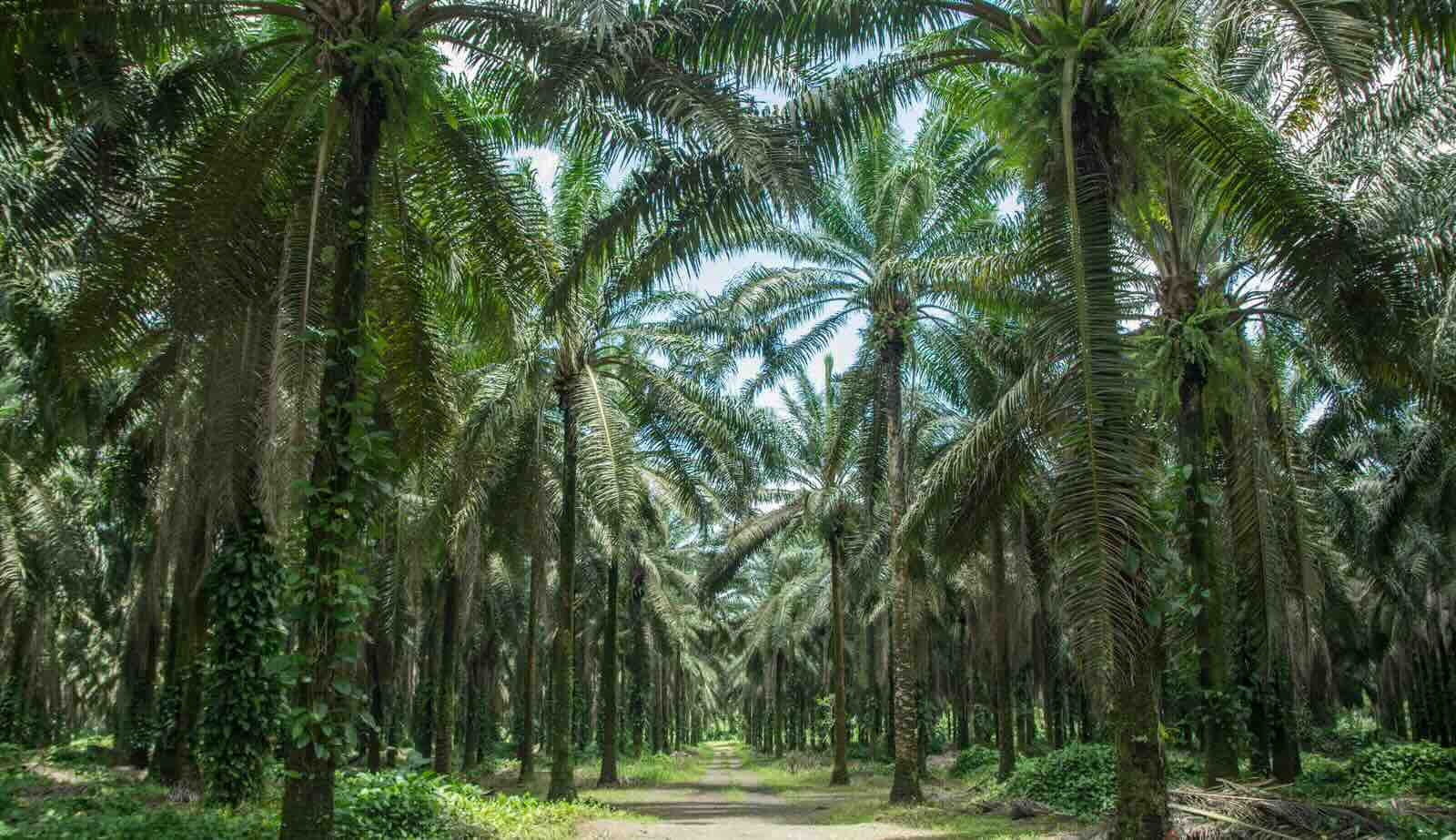
The commodity is produced mainly in tropical regions, with Indonesia and Malaysia accounting for the vast majority of global supply. Its efficiency makes it difficult to replace, as oil palm trees yield significantly more oil per hectare than alternative crops such as soy or sunflower. Palm oil currently supplies around 40 percent of the world’s vegetable oil demand and supports millions of smallholder farmers and workers across Southeast Asia, Africa, and Latin America.
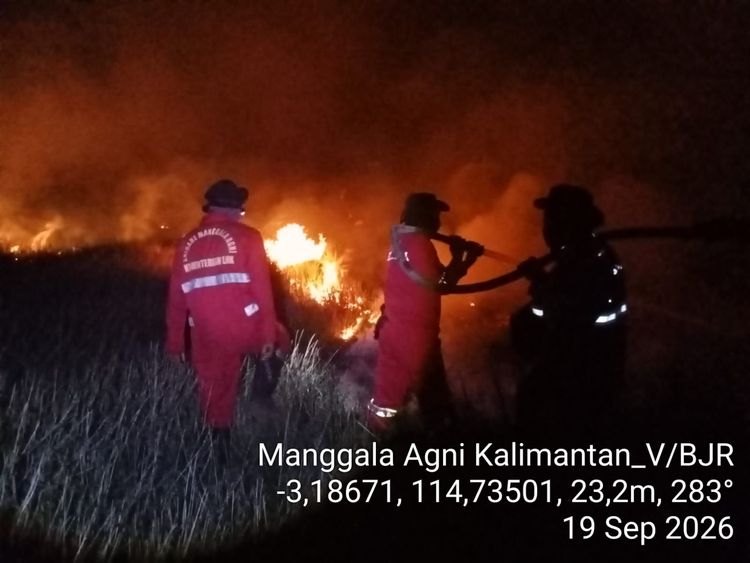
Despite its economic importance, the rapid expansion of oil palm plantations has contributed to widespread deforestation, particularly in biodiverse rainforest and peatland areas. Data from the UN Food and Agriculture Organization shows that palm oil cultivation accounted for about 7 percent of global deforestation between 2000 and 2018, while also increasing greenhouse gas emissions and threatening endangered species including orangutans and Sumatran tigers.
Environmental and social challenges linked to the industry include water pollution, land conflicts, and labor issues in certain regions. In Uganda’s Kalangala district, large-scale plantation development disrupted local ecosystems and reduced food security, illustrating the risks of unbalanced land use focused heavily on monoculture production.
In response, international organizations and industry stakeholders are promoting more sustainable practices through certification systems and regulatory measures. The Roundtable on Sustainable Palm Oil has introduced standards aimed at ensuring production does not involve deforestation or exploitation, while encouraging transparency across supply chains. Its certification now covers millions of hectares globally.
“Certification systems such as RSPO play an important role in improving accountability and ensuring that palm oil production aligns with environmental and social standards,” a sustainability expert said.
Regulatory efforts are also strengthening. The European Union is preparing to implement its Deforestation Regulation by 2027, requiring companies to demonstrate that products placed on the EU market, including palm oil, are not linked to deforestation. The policy is expected to increase pressure on producers to adopt traceable and compliant supply chains.
At the same time, experts emphasize that smallholder farmers must be supported in this transition. Many producers face technical and financial barriers in meeting sustainability requirements, including the need for traceability systems and improved agricultural practices.
“The transition to sustainable palm oil must be inclusive and support smallholders, who are central to the sector,” a representative of a farmer association said, highlighting the importance of capacity building and access to resources.
Global production of palm oil is projected to increase significantly in the coming decades, driven by population growth and rising consumption. As demand expands, the need to balance economic benefits with environmental protection is becoming more pressing.
Efforts to promote sustainable palm oil are gaining momentum through certification, regulation, and consumer awareness. However, experts warn that stronger coordination between governments, industry, and civil society will be essential to ensure the sector contributes to climate goals while safeguarding livelihoods. (*)