Enviro News Asia, Jakarta — Head of the Indonesian Meteorology, Climatology, and Geophysics Agency (BMKG), Dwikorita Karnawati, has issued a strong warning that most regions of Indonesia—particularly Sumatra and Kalimantan—will face the peak of the dry season in August 2025.
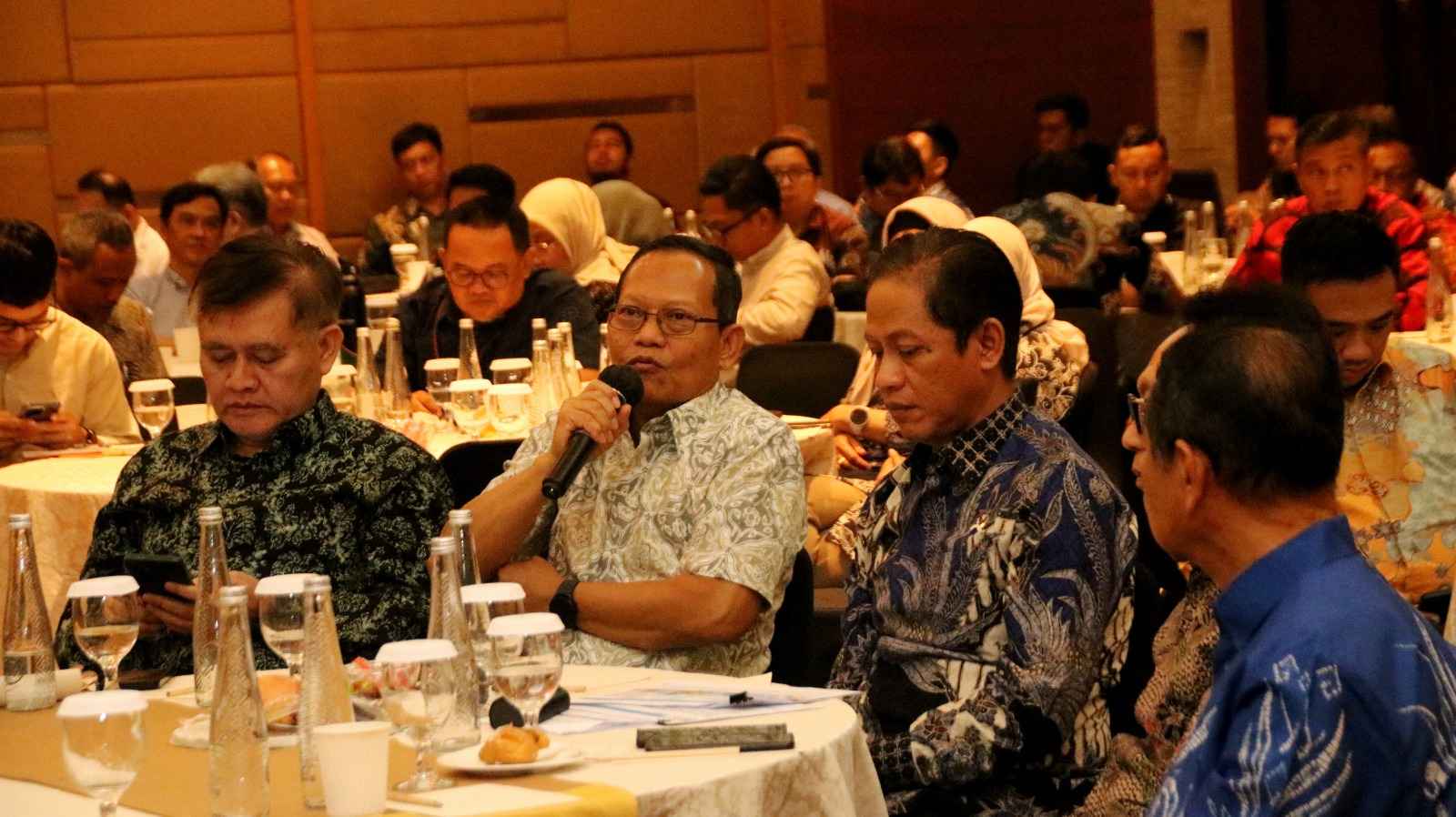
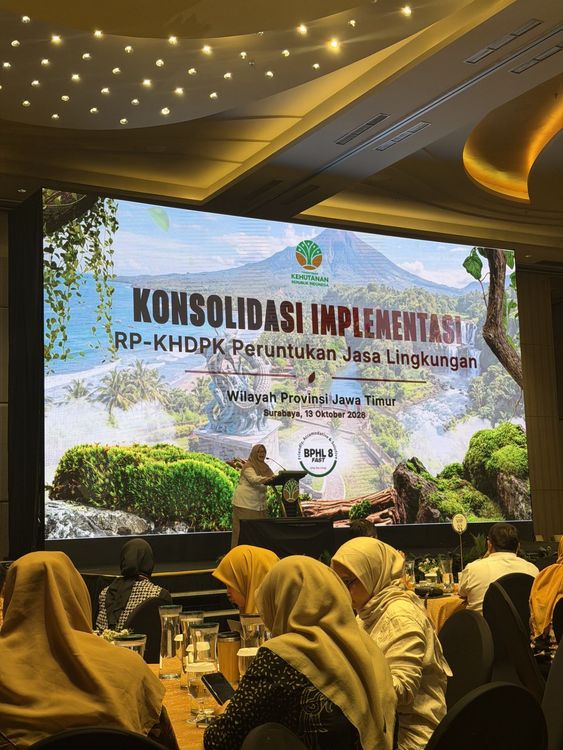
The warning was delivered during the National Coordination Meeting on Forest and Land Fire Management, held virtually by the National Disaster Management Agency (BNPB) on Monday (July 28, 2025).
At the peak of the dry season, the potential for forest and land fires is expected to increase significantly, with priority areas including Riau, Jambi, South Sumatra, West Kalimantan, Central Kalimantan, and South Kalimantan.
According to the BMKG’s 10-day rainfall analysis, most areas in Riau, Jambi, and Kalimantan remain under low rainfall conditions through early August.
The Fire Danger Rating System (FDRS) map is dominated by red zones, indicating an extremely high risk of fire ignition.
This means that the land could catch fire naturally, even without external triggers.
BMKG Head Dwikorita Karnawati stressed that although rain fell last week due to Weather Modification Operations (WMO), the effects were not long-lasting.
“The red zones have reappeared. This means the effects of WMO are fading, and natural weather conditions are taking over again,” said Dwikorita in her official statement.
In visual projections of daily rain cloud formation, critical areas such as Riau, Jambi, and South Sumatra showed low potential for cloud development. Most regions were marked in yellow and orange—indicating minimal cloud growth.
Minister of Forestry Raja Juli Antoni praised the synergy between BMKG and BNPB in executing WMO.
He noted that WMO has become a vital, data-driven fire prevention tool rather than just an experimental method.
Raja Juli emphasized that WMO’s success does not solely depend on technical aspects like salt seeding, but more importantly on precise timing and location—guided by accurate weather analysis from BMKG.
This collaboration enables quick action before fires spread, especially in remote and hard-to-reach areas.
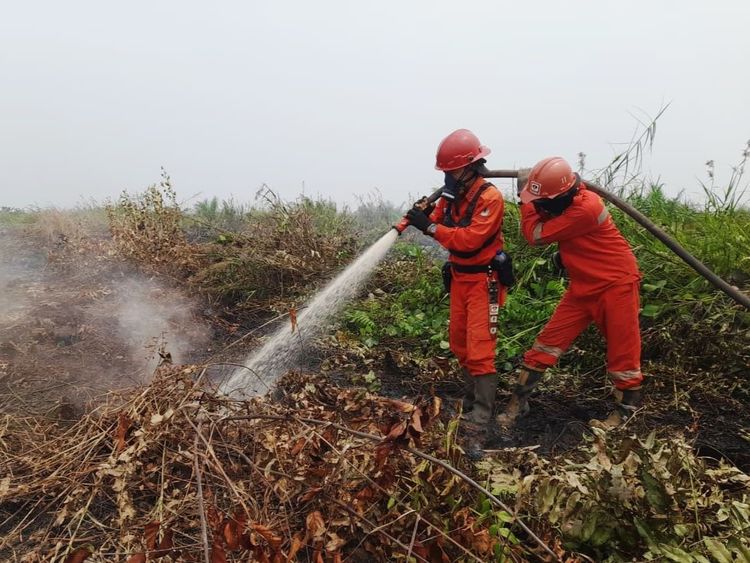
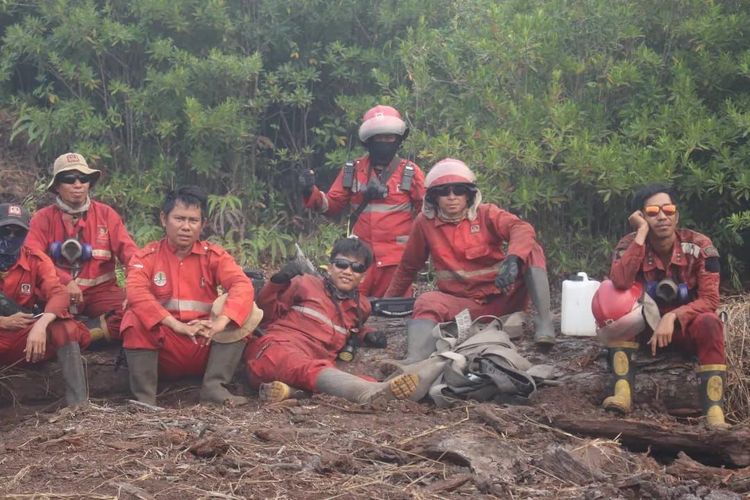
According to BNPB, 278 forest and land fire incidents have occurred across the country as of mid-year. In Riau, integrated operations involving the military (TNI), police (Polri), and volunteers—supported by WMO and helicopter water bombings—have managed to curb escalation, although the situation remains precarious.
BNPB Chief Lt. Gen. TNI Suharyanto emphasized the importance of cross-agency coordination and strong synergy between central and regional governments in tackling forest and land fires.
He stated that successful fire management is not just about the number of personnel or equipment, but how effectively and swiftly all parties work in unison.
“Even if fires are breaking out everywhere, if we act in unity, I believe we can get it under control,” Suharyanto asserted.
BMKG has reiterated that the dry season is expected to last until September, with the rainy season beginning only in October.
This means the next two months are critical and require full coordination across agencies.
“The rainy season hasn’t arrived. WMO is no guarantee. The key is strict patrolling, early detection, and swift extinguishing,” the BMKG Chief warned.
In closing, BMKG urged the strategic use of climate data and extreme weather forecasts.
Governors and local leaders are encouraged to regularly monitor BMKG reports as a basis for decision-making—from executing WMO and deploying ground forces, to educating communities.
In this context, Dwikorita also emphasized the importance of local preparedness and active public participation in anticipating forest and land fire risks. (*)