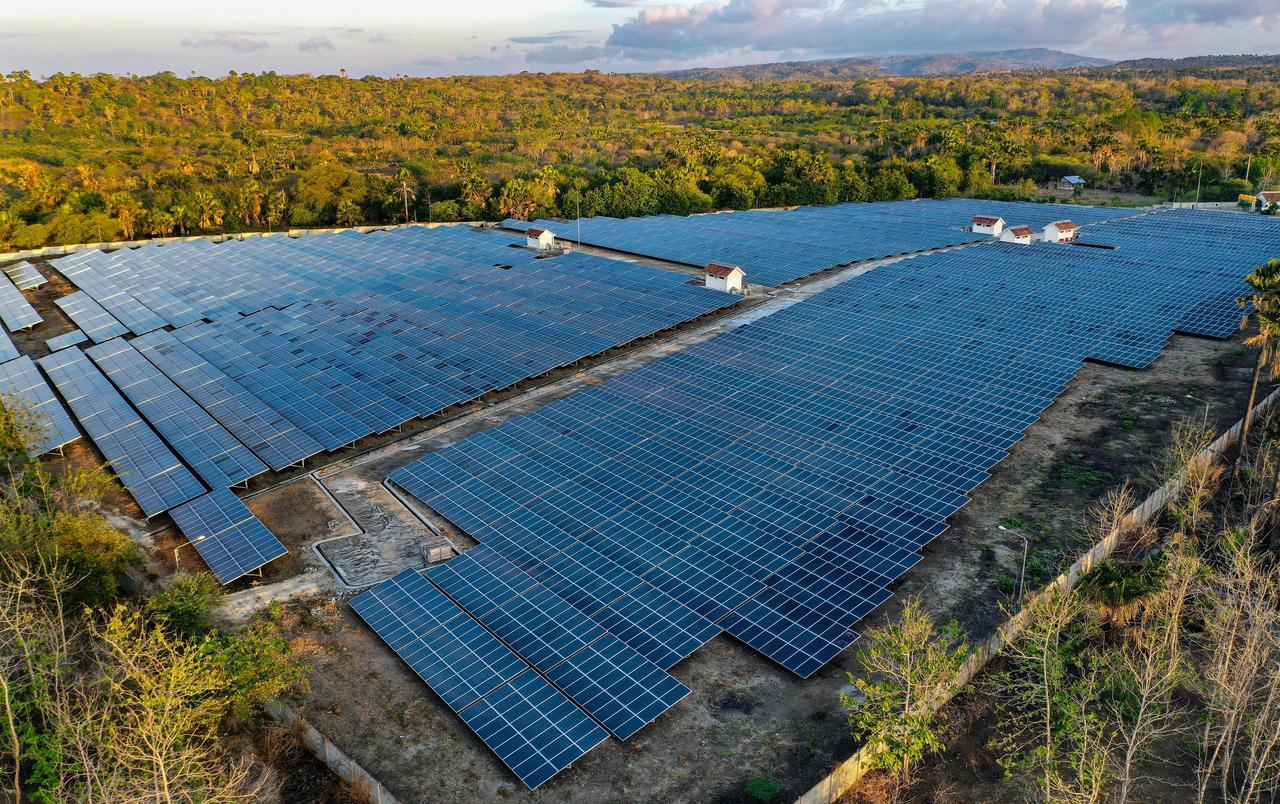
Enviro News Asia, Jakarta — PT PLN (Persero) has launched the Mentari Nusantara I Solar Power Plant (PLTS) project with a total capacity of 1.225 gigawatts, marking a significant step in accelerating the development of renewable energy to support Indonesia’s net zero emission target by 2060 or earlier. The project is being developed under an integrated procurement strategy known as “GIGA ONE,” with the official tender process commencing on 30 April 2026.
PLN President Director Darmawan Prasodjo stated that the bundling approach within the GIGA ONE scheme consolidates multiple projects into a single strategic package, enhancing project bankability, ensuring greater investment certainty, and improving efficiency across procurement and construction phases.
The Mentari Nusantara I project is designed not only to strengthen the national clean energy mix and energy independence, but also to generate economic multiplier effects, including the creation of green jobs and increased investment in the power sector.
PLN Director of Project Management and Renewable Energy Suroso Isnandar emphasized that the project serves as a flagship initiative supporting the government’s target to develop 100 gigawatts of solar capacity. He added that GIGA ONE is intended to foster a fully integrated clean energy industrial ecosystem, from upstream to downstream sectors.
The solar power capacity will be distributed across multiple regions in Indonesia, including Sumatra, Kalimantan, Java, Sulawesi, West Nusa Tenggara, as well as Maluku and Papua, with all projects targeted to reach commercial operation by 2029.
Through this initiative, PLN is also promoting higher domestic content requirements and strengthening national manufacturing capabilities to build a more resilient and competitive renewable energy supply chain.
Looking ahead, the GIGA ONE integrated procurement model will be expanded to other renewable energy sources, including hydropower, wind power, and battery energy storage systems, as part of Indonesia’s broader transformation toward a clean, resilient, and sustainable energy system. (*)