Enviro News Asia, Jakarta — Universitas Indonesia (UI) inaugurated the Graduate School of Sustainable Development on Wednesday, October 22, 2025, at the Balai Sidang, Depok Campus. The establishment marks the merger of two academic units, the School of Environmental Science (SIL) and the School of Strategic and Global Studies (SKSG). However, the decision has drawn criticism from faculty members and students who claim the process lacked adequate academic dialogue.
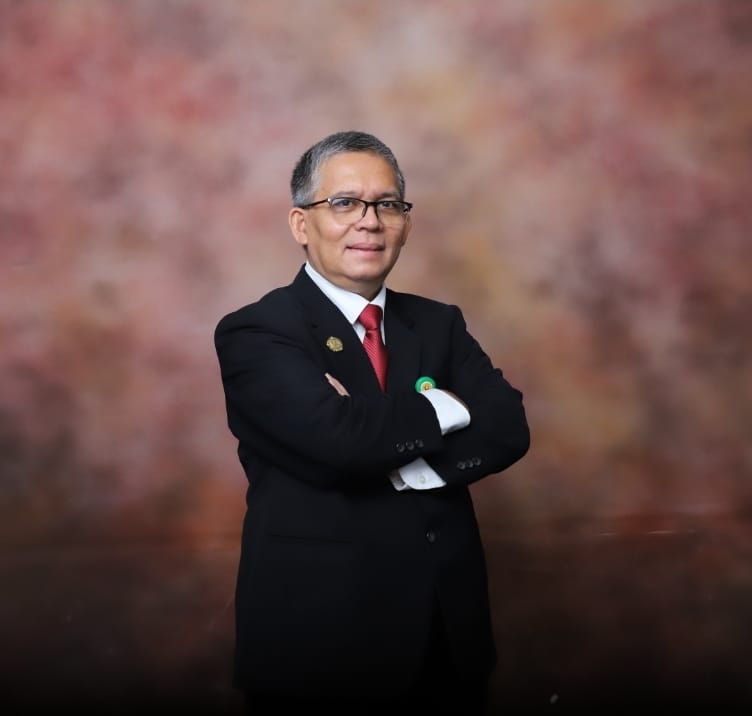
Former Director of SIL UI, Dr. Tri Edhi Budhi Soesilo, MSc, criticized the merger for its lack of transparency and academic consultation. He said that the entire academic community, including school committees, lecturers, students, administrative staff, and alumni were never involved in any formal discussions prior to the announcement.
“I am deeply concerned because this process took place without academic dialogue or scientific tradition. There was no open communication with members of SIL or SKSG,” Budhi stated.
He also questioned the legal foundation of the restructuring. “During a briefing by the Academic Senate’s Special Committee, it was revealed that UI has no specific regulation governing the merger of faculties or schools only provisions for dissolution or establishment of new ones,” he explained.
Budhi warned that the merger could lead to administrative and legal complications, particularly for students receiving external scholarships. “I want to know whether there will be a transition period for active students. Changing a school’s name abruptly could violate administrative rules,” he said.
Beyond legal aspects, Budhi argued that merging SIL and SKSG risks dismantling SIL’s institutional achievements, including its top-tier accreditation, academic forums, and scholarship programs. He stressed that forming a new graduate school should involve comprehensive study, not a symbolic consolidation.
“This is not just tying two institutions together with a string. SIL has built a strong academic system and tradition,” Budhi emphasized.
Echoing his view, Prof. Raldi Hendro Koestoer, PhD, a lecturer at SIL UI, said the merger could undermine the academic legacy of Prof. Emil Salim, the founder of UI’s Environmental Science program and a national environmental figure. He warned that erasing SIL’s identity might weaken its academic reputation and external support.
“Prof. Emil Salim’s legacy is SIL UI. Ignoring this heritage could backfire on the university in the future,” Raldi remarked.
Several SIL students also voiced their disappointment, saying they were surprised by the sudden announcement and the lack of student representation in the decision-making process.
“It’s concerning that students were not involved. We need clarity on accreditation and administrative continuity after the merger,” said Danu, a master’s student at SIL UI.
Another student, Dwi, added that the decision contradicts SIL’s core values, which emphasize human participation in research and policymaking. “SIL should have been a model of dialogue and inclusiveness not the opposite,” Dwi said.
As of now, Universitas Indonesia has not issued an official statement regarding the legal basis for dissolving SIL and SKSG or the transition mechanism for affected faculty and students. (*)