Enviro News Asia, Jakarta – The distribution map of the Kartu Indonesia Pintar (KIP) Kuliah program will change starting in 2025. The government will no longer allocate quotas solely based on program capacity and accreditation at each university. Instead, the policy direction has shifted: socio-economic data and national selection results will now serve as the primary determinants of who receives the scholarship and which campuses obtain larger allocations.
This change comes amid consistent budget increases over the past several years. In 2020, KIP Kuliah funding stood at Rp 6.5 trillion. Five years later, it surged to Rp 14.9 trillion, supporting more than one million student beneficiaries. For 2026, the government has raised the allocation again to Rp 15.3 trillion for 1,047,221 students. The budget is growing, but the distribution pattern is no longer the same.
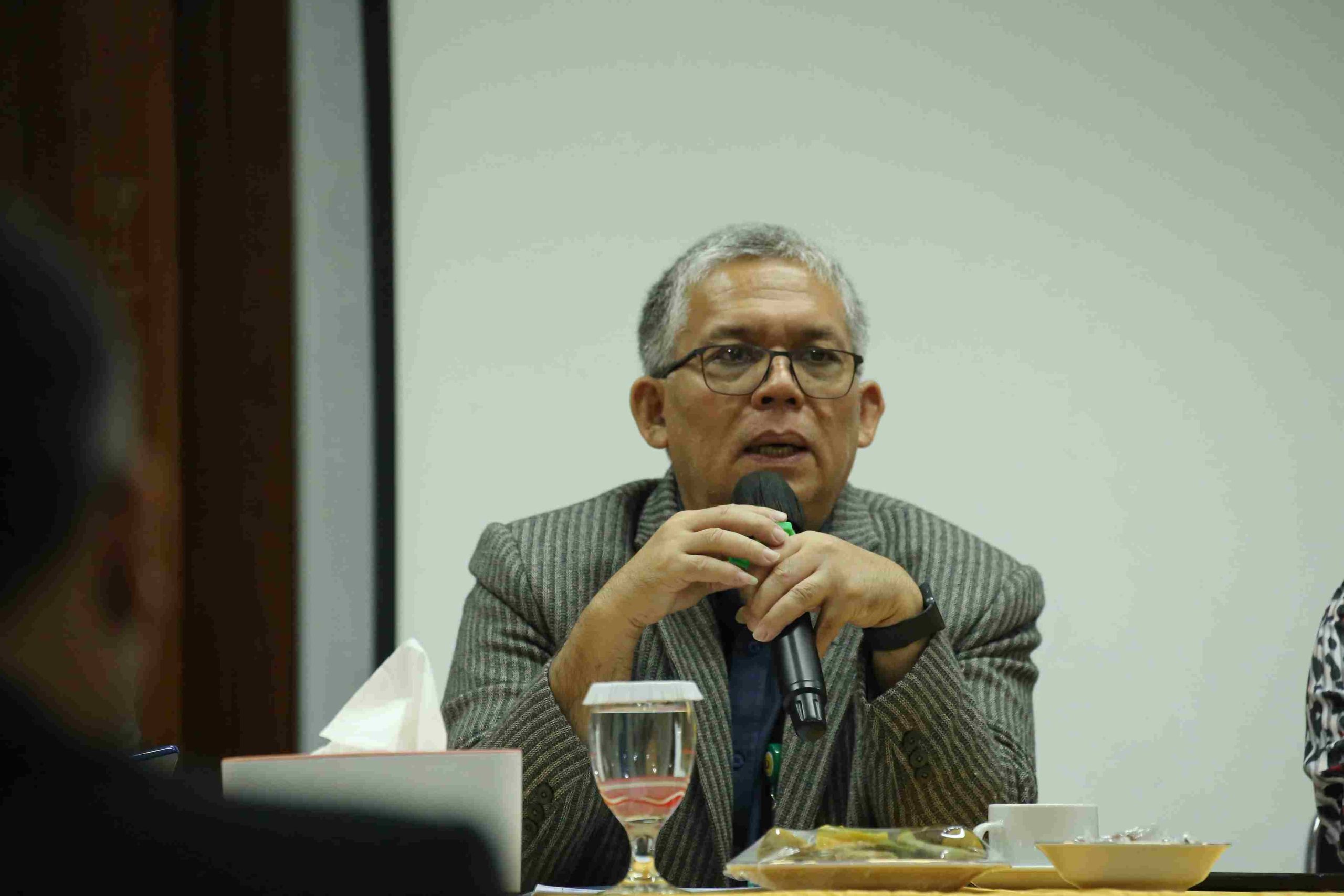
Minister of Higher Education, Science, and Technology Brian Yuliarto described the policy shift as an effort to sharpen targeting. According to him, educational assistance must genuinely reach students from poor and vulnerable families who demonstrate academic potential. “KIP Kuliah is a bridge of hope,” he said, emphasizing that access to higher education must not be hindered by economic barriers.
During the 2020–2024 period, quotas were relatively stable at each university. Campuses with larger capacities and strong accreditation tended to receive roughly similar allocations each year. However, since the program’s management was transferred to the Center for Higher Education Financing and Assessment (PPAPT) in 2025, the approach has become data-driven, relying on social assistance records as well as the results of the National Selection Based on Achievement (SNBP) and the National Selection Based on Test (SNBT).
This means the number of recipients at a given campus can rise or fall depending on how many students from priority groups pass the national selection. If more KIP senior secondary school cardholders or students listed in DTKS and lower PPKE deciles are admitted to a university, its quota automatically increases. Conversely, if fewer such students are accepted, the allocation declines. A decrease at one university does not necessarily indicate a reduction in the national budget.
For example, at Universitas Negeri Medan, around 1,000 new students received KIP Kuliah in 2024. A year later, the number jumped to more than 3,000 as more students from priority groups passed the selection. In contrast, at Universitas Gadjah Mada, the number of recipients dropped from about 1,900 to 708 because fewer eligible students from target groups were admitted.
Starting in 2026, the policy will be further reinforced through the implementation of the National Integrated Socio-Economic Data (DTSEN). Priority will be given to senior high school and vocational school graduates who receive the PIP assistance or are listed in DTSEN within deciles 1 to 4. For public universities, recipients must still pass through the SNBP or SNBT pathways. For private universities, quotas will be distributed through the Higher Education Service Institutions in accordance with program capacity and accreditation.
The ministry stressed that the disbursement of KIP Kuliah is carried out in an accountable and data-based manner, accompanied by regular evaluations. Since its launch, KIP Kuliah has become one of the pillars of Indonesia’s human capital development, enabling students to pursue their studies without the burden of financial constraints. The government also urges high school and vocational school graduates from underprivileged families not to hesitate in pursuing higher education. Despite the changes in distribution, the core message remains the same: access must remain open, and opportunity must be equal. (www.upnvj.ac.id)