Enviro News Asia, Jakarta — The Government of Indonesia is intensifying efforts to optimize domestic gas utilization as part of its broader strategy to achieve national energy independence, with Compressed Natural Gas (CNG) emerging as a key alternative to partially replace Liquefied Petroleum Gas (LPG), which is still heavily dependent on imports.
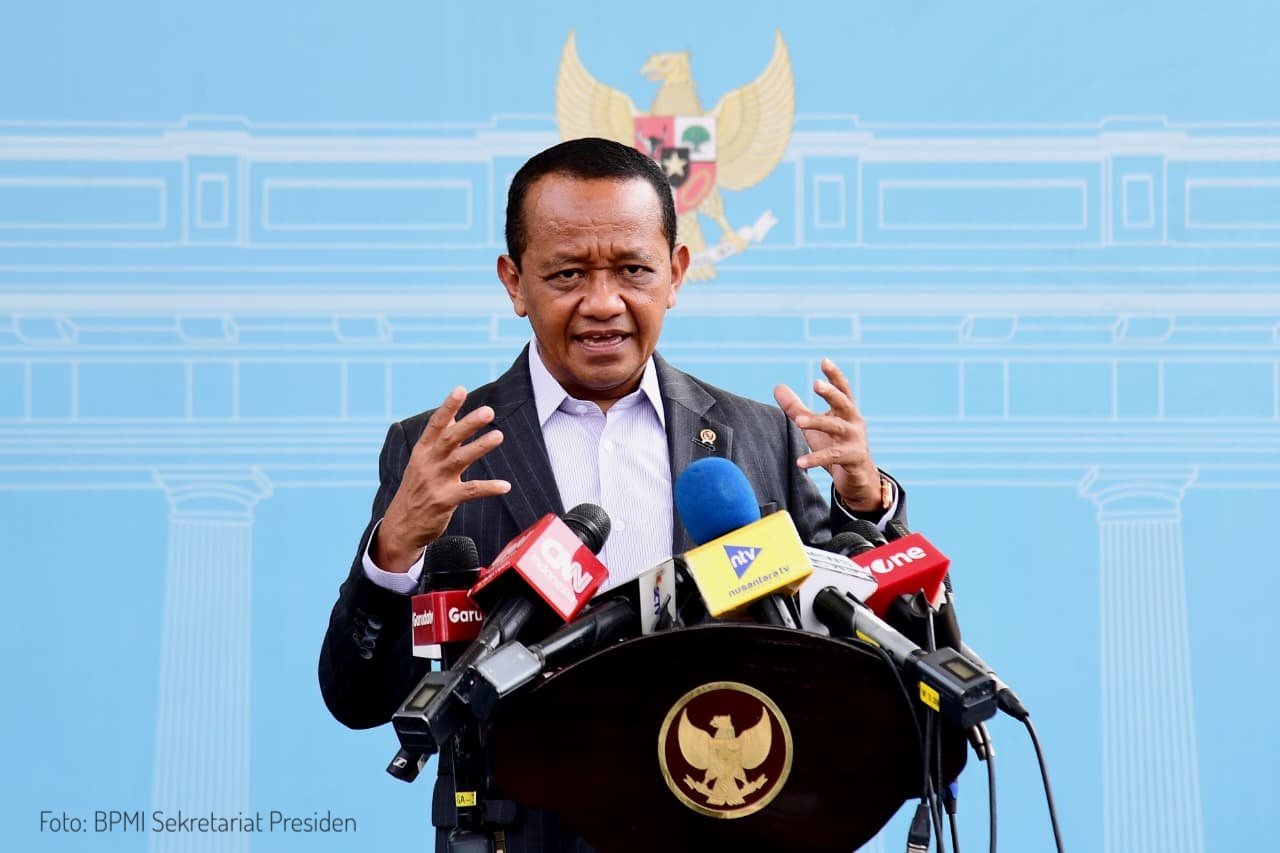
Minister of Energy and Mineral Resources Bahlil Lahadalia stated that the CNG utilization plan is currently under review and will soon be finalized. The initiative aims to reduce reliance on imported LPG and strengthen domestic energy resilience.
Indonesia’s LPG consumption currently stands at approximately 8.6 million tons annually, with only around 1.6–1.7 million tons supplied domestically, while the remainder is imported. This imbalance has prompted the government to explore alternative energy sources derived from local resources.
According to the Minister, CNG is produced from domestically available natural gas components, specifically methane (C1) and ethane (C2), which are compressed at pressures ranging from 250 to 400 bar. Indonesia already has 57 commercial entities engaged in the CNG sector, indicating a solid foundation for expansion.
CNG has been partially utilized across several sectors, including hospitality, restaurants, and Stasiun Pengisian Bahan Bakar Gas (SPBG). Its broader adoption is expected to further enhance energy diversification and reduce import dependency.
The government also views CNG as a strategic response to global energy uncertainties, complementing other initiatives such as increasing oil and gas production, developing biofuels like B50, and exploring alternative fuels including dimethyl ether (DME).
By prioritizing domestically sourced energy, Indonesia aims to strengthen its energy security while ensuring long-term sustainability amid evolving geopolitical and economic challenges. (*)