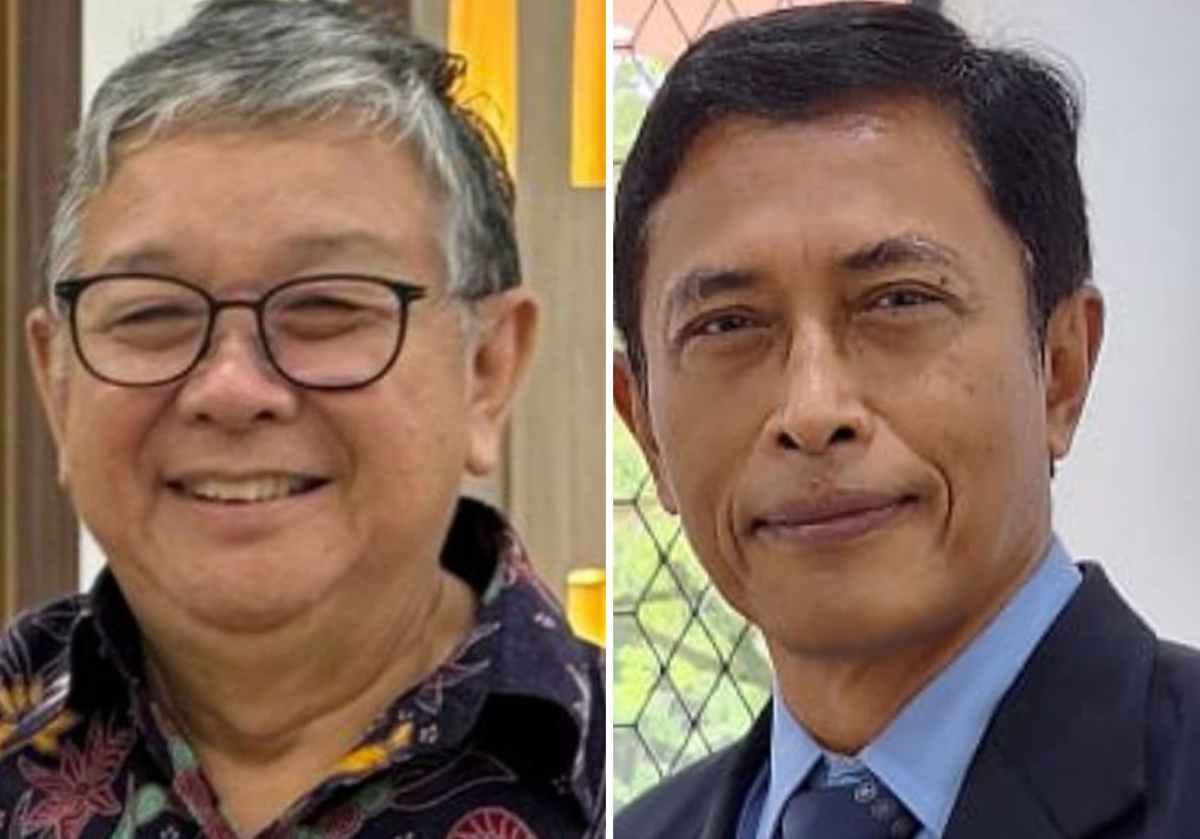
Enviro News Asia, Jakarta – The Government of Indonesia continues to accelerate efforts toward achieving the Forest and Other Land Use (FOLU) Net Sink 2030 target, one of the country’s ambitious climate commitments. On Monday (September 15), Head of the Human Resources Extension and Development Agency of the Ministry of Forestry (BP2SDM), Indra Exploitasia, officially opened the first classical phase of the School of Environmental Conservation and Environment Services Management (SECESM) Training at the Ministry’s Human Resources Training Center.
The training is designed to strengthen the capacity of conservation area managers across Indonesia. Kusdamayanti, Head of the Human Resources Training Center, emphasized that the program goes beyond knowledge transfer. “We want participants to develop comprehensive competencies—from planning, implementation, supervision, to monitoring and evaluation of conservation area management. They are also equipped with technical skills, the use of technology, communication, community empowerment, law enforcement, and natural resource control,” she stated.
The SECESM training runs from August 5 to November 25, 2025, using a blended learning method totaling 728 hours (279 hours of theory and 449 hours of practice). Thirty participants are currently entering the classical phase at the Training Center until September 19, before continuing with field practice at Baluran National Park, West Bali National Park, the Special Purpose Forest Area (KHDTK) of Brawijaya University Malang, and several other sites in East Java.
Instructors come from diverse backgrounds, including technical units of the Ministry, universities, NGOs, the Indonesian Armed Forces (TNI), as well as conservation practitioners and experts. This collaborative approach is expected to produce resilient conservation cadres capable of designing and implementing sustainable action plans.
“Safeguarding forests and ecosystems is not the task of a single institution. Through this training, we are preparing outstanding human resources who will be at the forefront of achieving FOLU Net Sink 2030,” Indra asserted.
By strengthening human resource capacity, the Ministry of Forestry reaffirms its commitment to supporting sustainable forest management and Indonesia’s significant contribution to reducing greenhouse gas emissions. (*)