

Enviro News Asia, Hawaii – The vast expanse of the Pacific Ocean has once again set the stage for one of the world’s largest military exercises: the Rim of the Pacific Exercise (RIMPAC) 2026. This year’s edition involves 30 warships, six submarines, around 200 combat aircraft, and thousands of personnel from 31 countries. For Indonesia, however, participation in RIMPAC is far more than symbolic — it is a strategic statement about the country’s role and identity as an active and professional maritime nation.
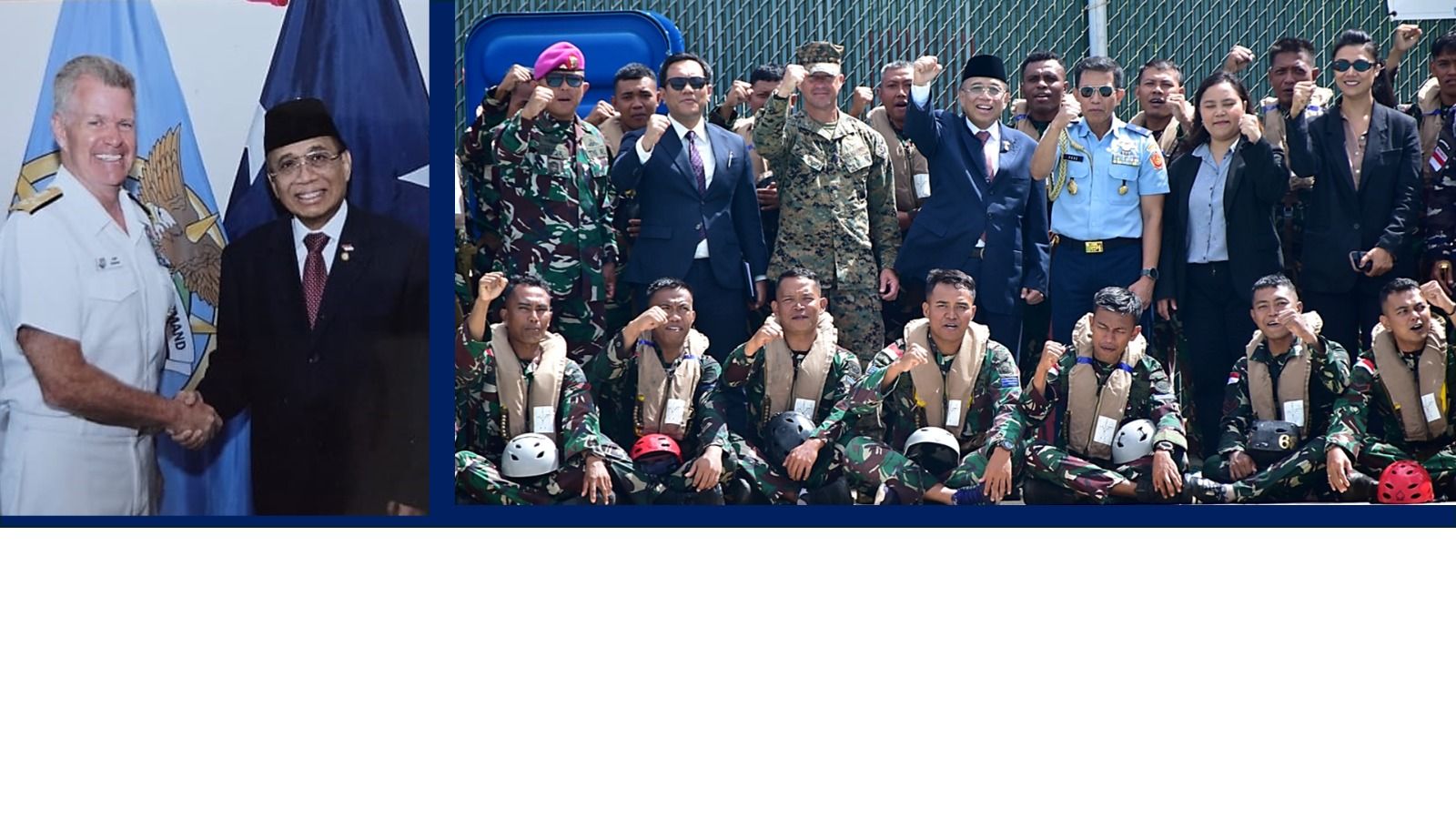
Indonesia sent 37 of its finest Marines from the Indonesian Navy Marine Corps, drawn from the Jalamangkara Detachment, Marine Force 1 (Pasmar 1) Jakarta, Pasmar 2 Surabaya, and Pasmar 3 Sorong, representing the country’s military strength from the western to eastern reaches of the archipelago. Led by the Commander of the Marine Corps Special Training Center Lieutenant Colonel (Marines) Huda Prawira Soemarto and accompanied by KRI Sultan Hasanuddin-366 Commander Lieutenant Colonel (P) Eko Triyatmono, the soldiers underwent intensive training at the US Marine Corps Training Area Bellows and surrounding areas near Honolulu.
Notably, Indonesia’s contingent came not only to learn but also to teach. Among the capabilities they demonstrated was jungle survival, a set of skills for enduring in tropical forest environments that constitutes the natural habitat of Indonesian soldiers. Amid exercises dominated by technology and modern weaponry, these fundamental skills proved a valuable asset. The contingent also participated in fast-rope training, marksmanship, close-quarters combat tactics, and simulated multinational joint operations.
This is where RIMPAC’s deeper significance becomes clear. The exercise is not only about combat readiness but about interoperability, the ability of armed forces from different nations to work together effectively. In the increasingly complex Indo-Pacific context, interoperability is key to addressing challenges ranging from maritime security to humanitarian assistance and disaster relief operations.
RIMPAC also serves as an instrument of defense diplomacy. Indonesia’s participation strengthens strategic ties with the United States and other partners, aligned with the Comprehensive Strategic Partnership and Major Defense Cooperation Partnership frameworks. Amid the region’s evolving geopolitical dynamics, Indonesia’s presence in forums such as this reinforces its position as a nation that not only protects its national interests but also contributes to regional stability.
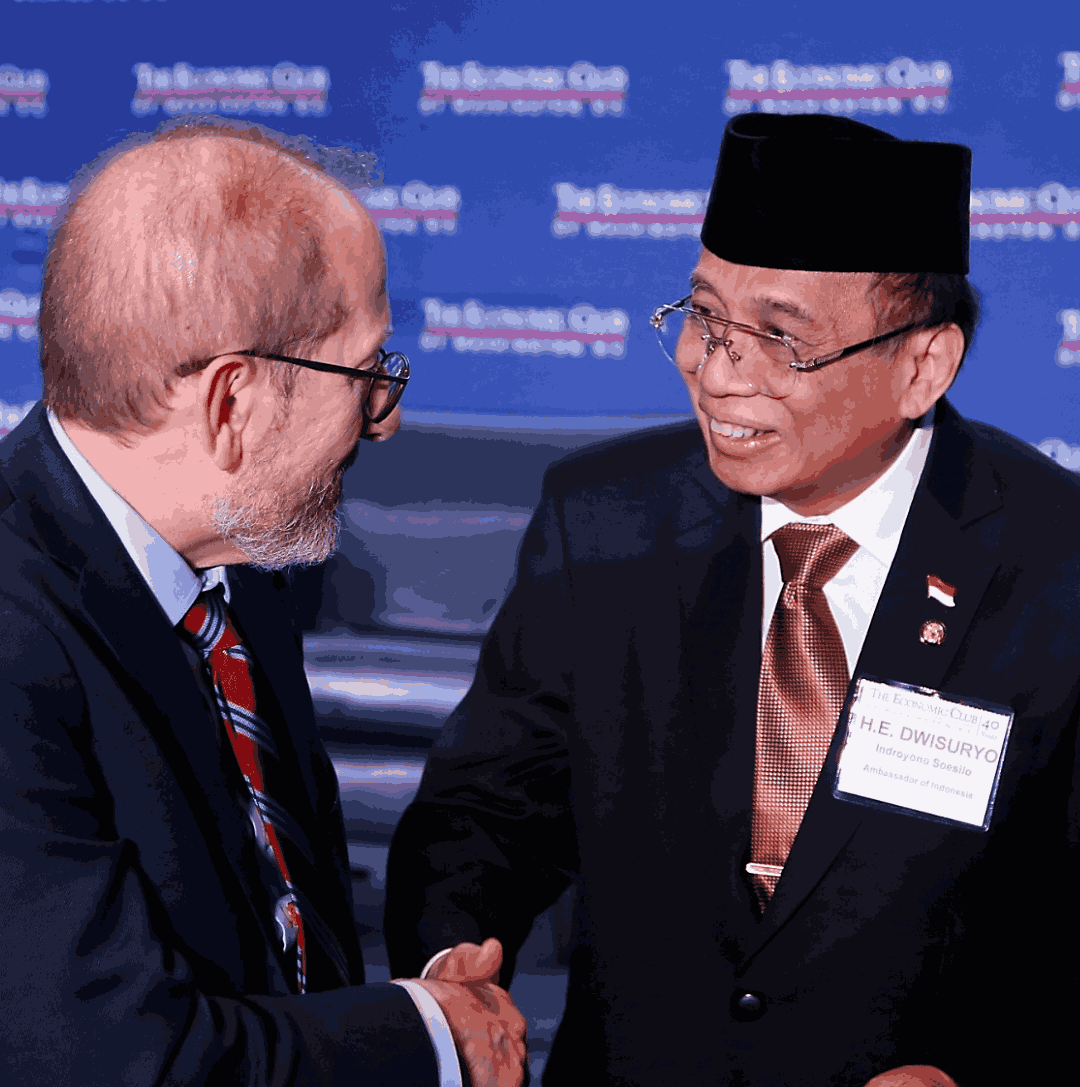
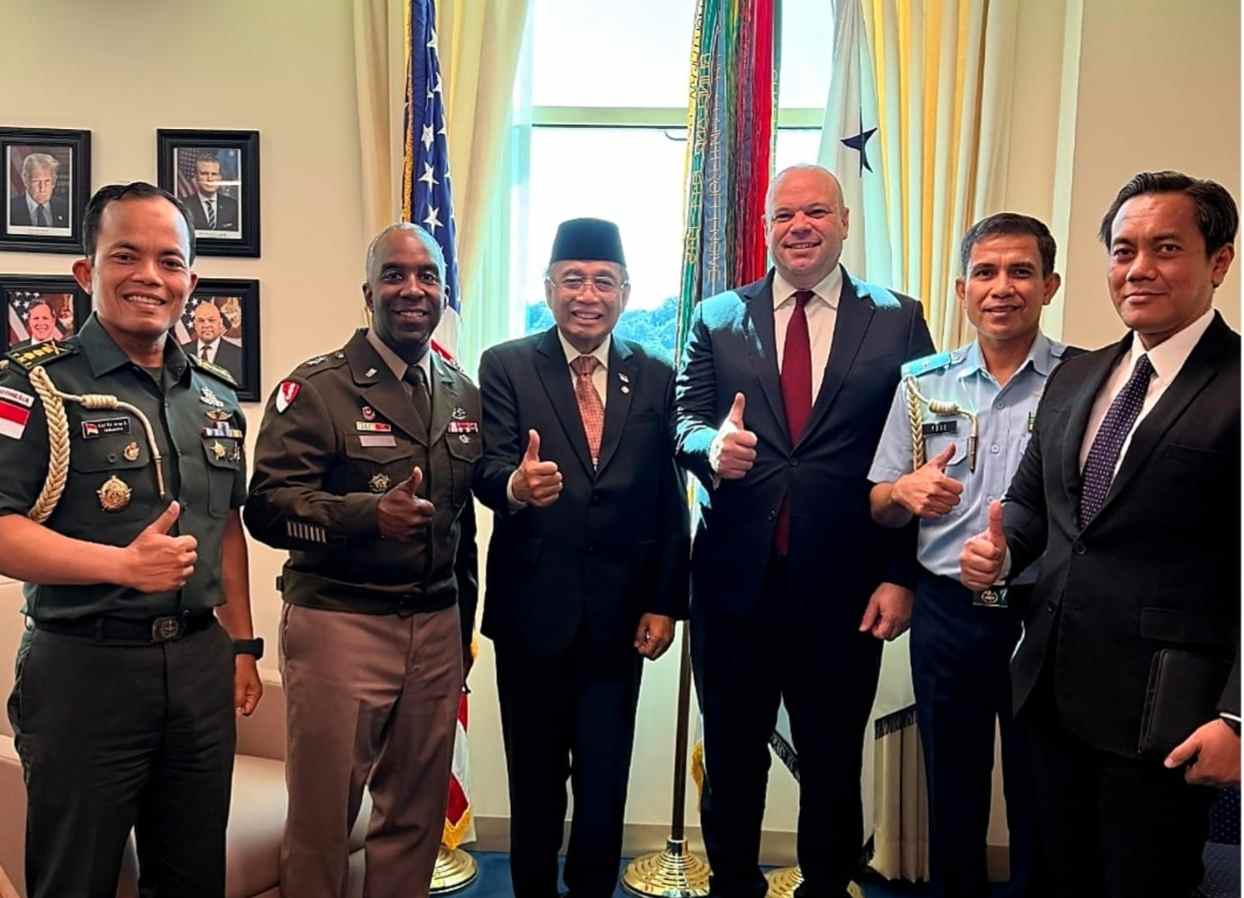
The diplomatic dimension was further underscored by Indonesian Ambassador to the United States Indroyono Soesilo’s visit to Hawaii on July 7, 2026, accompanied by Defense Attaché Air Vice Marshal Yose Ridha and KBRI Washington D.C. Political Function Coordinator Fahmi Ali Sarosa. Beyond observing RIMPAC firsthand, the Indonesian delegation held important meetings with US Indo-Pacific Command Commander Admiral Samuel J. Paparo and US Congressman Ed Case, and engaged in discussions with experts at the Asia-Pacific Center for Security Studies and the East-West Center. A visit to the University of Hawaii at Manoa further reinforced the academic dimension of the bilateral relationship.
One moment that drew particular attention came when the Ambassador witnessed Indonesian Marine soldiers performing a sea survival simulation. US Marine Corps exercise commander Colonel McDonald expressed admiration for the Indonesian soldiers’ swimming ability and endurance, leading to a simple but profound realization: soldiers from the world’s largest archipelago truly live with the sea, from the sea, and for the sea.
RIMPAC 2026, then, is far more than a military exercise. It is a stage where professionalism, cooperation, and diplomacy converge. And through its active participation, Indonesia has affirmed one important truth: in the maritime security dynamics of the Indo-Pacific, Indonesia is not a spectator — but a player that helps shape the direction of the game. (*)