

Enviro News Asia, London – Transparency and accountability in measurement, reporting, and verification are critical aspects of implementing forest carbon projects.
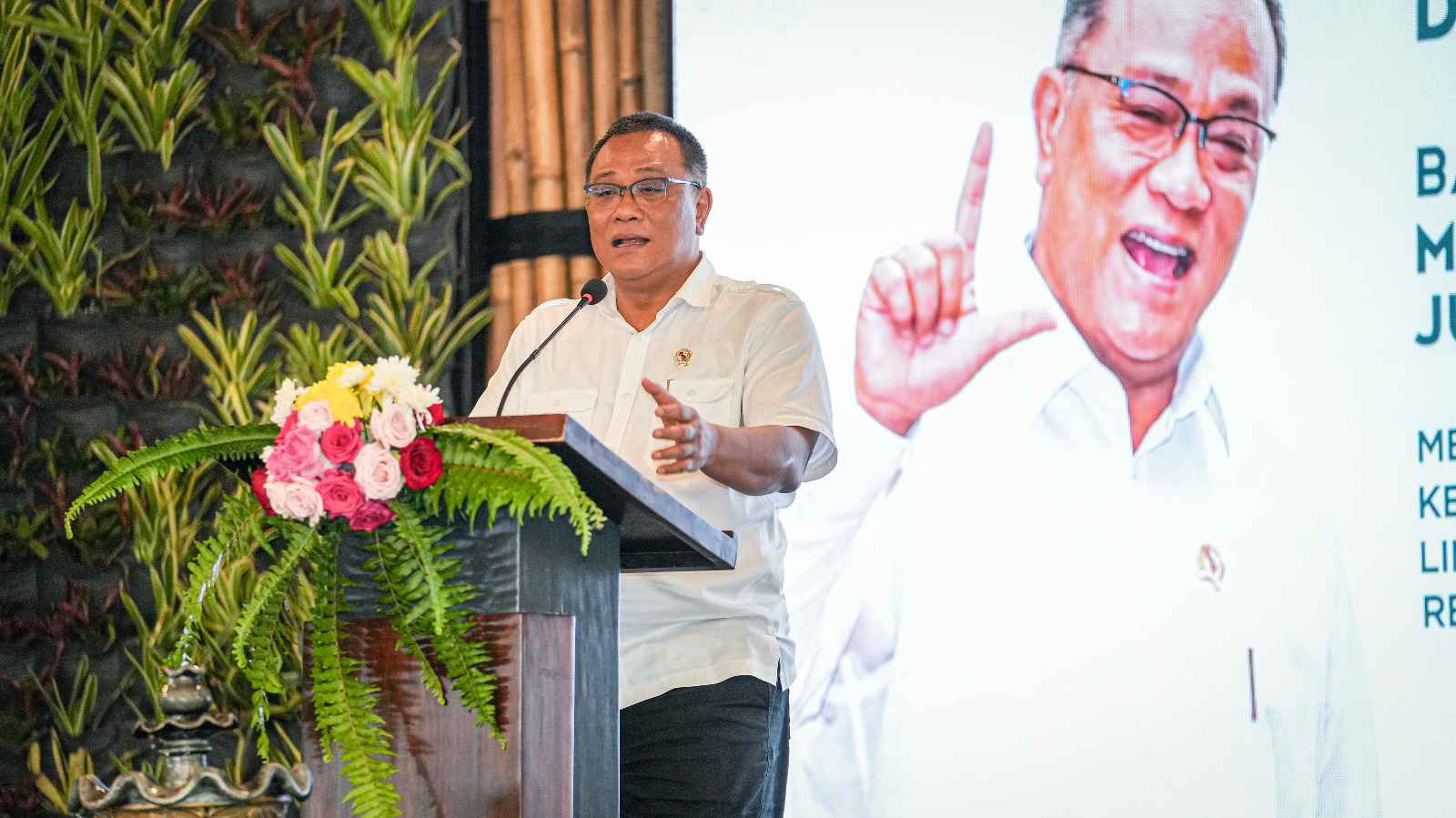
“This transparency includes the development of protocols and clear standards for data collection and reporting,” said Dr. Agus Justianto, Chairman of the International Tropical Peatland Center, Vice Chairman II of Indonesia FOLU Net Sink 2030, and former Director General of Sustainable Forest Management at the Indonesian Ministry of Environment and Forestry. He made these remarks at the Forest Governance, Markets & Climate (FGMC) Stakeholder Forum 2025, held at Goodenough College, Mecklenburg Square, London, on Thursday (January 23, 2025). Agus Justianto spoke during the session “Incentivising Forest Stewardship Through Trade and Markets”, moderated by Dave Hopkins of Timber Development UK. The session also featured Professor Chen Yong from the Chinese Academy of Forestry, Vincent Istace, Head of Sustainability for Wood Products at Olam Agri, David Boseto from Wildlife Works in the Solomon Islands, and Jan Willem van Gelder of Profundo and Forests & Finance Coalition.
The forum provided a unique opportunity for participants to better understand the scope and ambitions of FGMC2, reflect on the program setup, and contribute to strengthening and expanding the FGMC Community of Practice by building or consolidating relationships with FGMC2 partner countries and international collaborators.
During the session, Agus was asked by the moderator about Indonesia’s experience with forest carbon projects, particularly in the development of national policies. According to Agus Justianto, in addition to transparency and accountability, a strong legal framework is essential to support the implementation of forest carbon projects. This includes regulations that define the roles and responsibilities of various stakeholders as well as mechanisms for monitoring and law enforcement.
Agus also emphasized the importance of inclusivity and stakeholder engagement, including local communities, government institutions, non-governmental organizations, and the private sector, for the success of forest carbon projects. Furthermore, forest carbon projects must adapt to changing conditions and accommodate diverse local contexts. This includes regularly updating forest reference emission levels and integrating scientific advancements.
Agus highlighted the importance of capacity-building and technical support. Adequate training and technical assistance for local communities and project implementers are crucial to the success of forest carbon projects. These efforts help build local capacity and ensure that projects are well-managed.
“These lessons have been applied in the development of national forest carbon regulations through initiatives like Indonesia’s Forestry and Other Land Use (FOLU) Net Sink 2030, which provides a blueprint for climate mitigation actions in the country’s forestry sector,” Agus Justianto stated.