Enviro News Asia, Ukraine — Reconstruction has become an urgent national priority in Ukraine. Homes, hospitals, and schools have suffered extensive damage. While rebuilding is unavoidable, the country retains the ability to determine how it rebuilds and which materials will shape its recovery. For Forest Stewardship Council (FSC) Ukraine, the answer begins in the sustainably managed forests of the Lviv region.
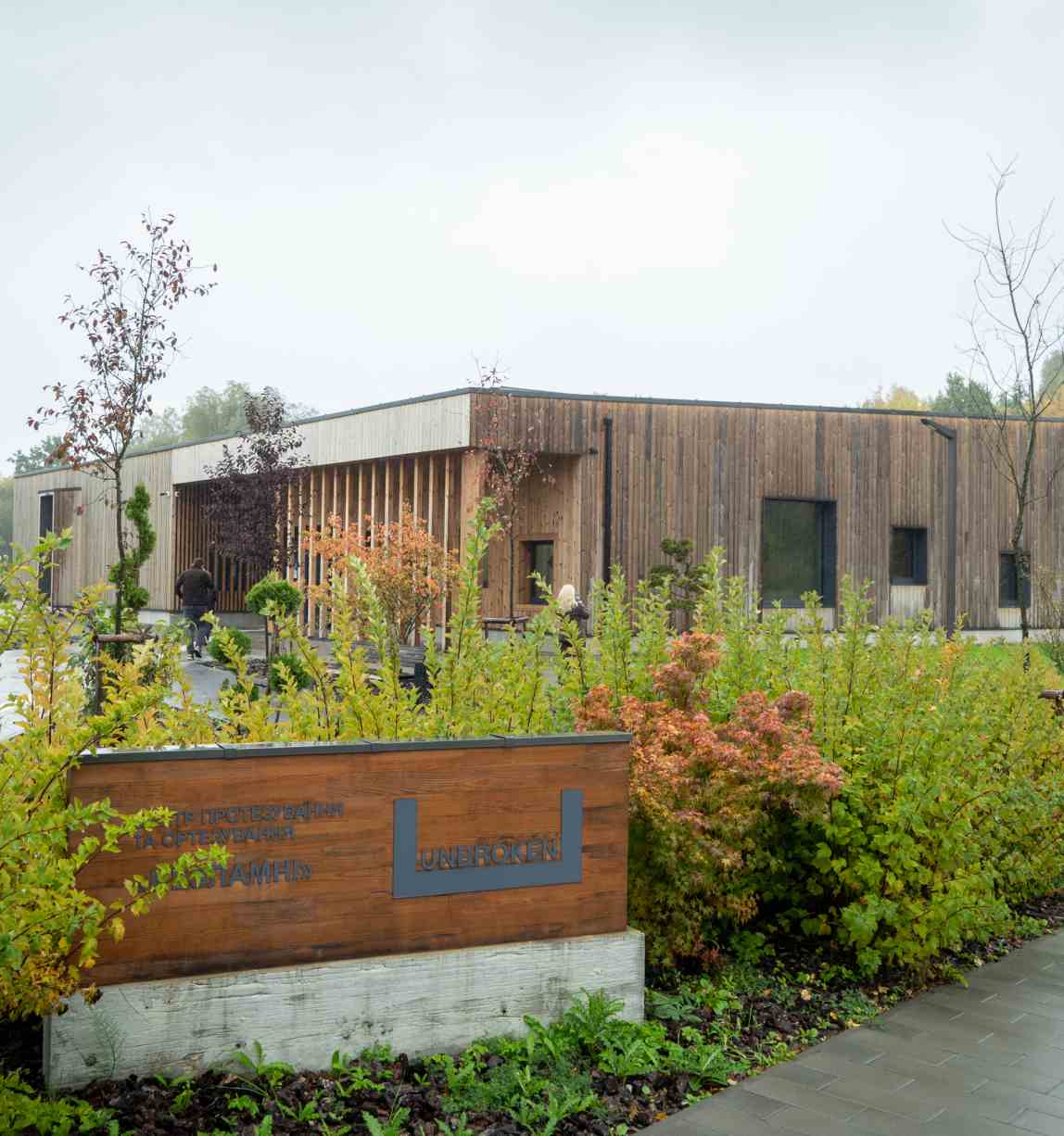
Ukraine has 4.8 million hectares of forests certified under FSC Forest Management standards. In the Lviv region alone, more than 70 FSC-certified enterprises process and export timber. At the Unbroken National Rehabilitation Centre—a facility supporting Ukrainians living with war-related injuries and disabilities—the upper floors of one reconstructed building have been completed using FSC-certified Cross-Laminated Timber (CLT).
The structure is significantly lighter than concrete, reduces the load on existing foundations, and continues to store the carbon absorbed during the tree’s growth. A certified forest, a traceable supply chain, accelerated construction timelines, and lower embodied carbon together demonstrate the value of responsible building practices. The Unbroken Centre exemplifies how sustainability and resilience can advance simultaneously.
Another building within the Centre’s grounds is constructed entirely from CLT panels and includes an interior garden. The facility produces artificial limbs for amputees, providing life-changing support to individuals affected by the war.
“It is difficult to find such an ergonomic workshop. We complete the entire production cycle within one building without moving between floors and rooms, and the durability of the surfaces ensures long-term use. Comfort and energy efficiency are crucial, as our 12 specialists have manufactured more than a thousand prostheses since the beginning of the full-scale invasion. Last year alone, we doubled our production volume. Each product is unique. On average, production takes one week, but complex cases—such as the loss of two, three, or four limbs—may require up to six months. We once treated a patient who had lost all four limbs. Today, he drives a car and skis independently. When you witness such outcomes, you understand the purpose behind our work,” said Vladislav Sikhivskiy, Head of the Unbroken Prosthetics and Orthotics Centre.
Cross-Laminated Timber is produced by layering solid lumber boards at right angles and bonding them under pressure. The resulting panels are both strong and lightweight, capable of replacing concrete and steel in walls, floors, and other load-bearing structures. Their ease of assembly significantly reduces construction time.
The climate rationale for timber construction is compelling. Buildings and construction account for approximately 34 percent of global energy-related carbon dioxide emissions. Of that figure, embodied carbon—emissions generated during the manufacturing and processing of materials such as cement and steel—represents around 18 percent. Wood-based materials such as CLT offer a contrasting pathway. Trees absorb carbon dioxide as they grow, and when timber is used in construction, that carbon remains stored within the structure for the duration of the building’s lifecycle. Research cited by Massachusetts Institute of Technology’s Climate Portal indicates that CLT can reduce the carbon footprint of large buildings by roughly 40 percent compared to conventional materials.
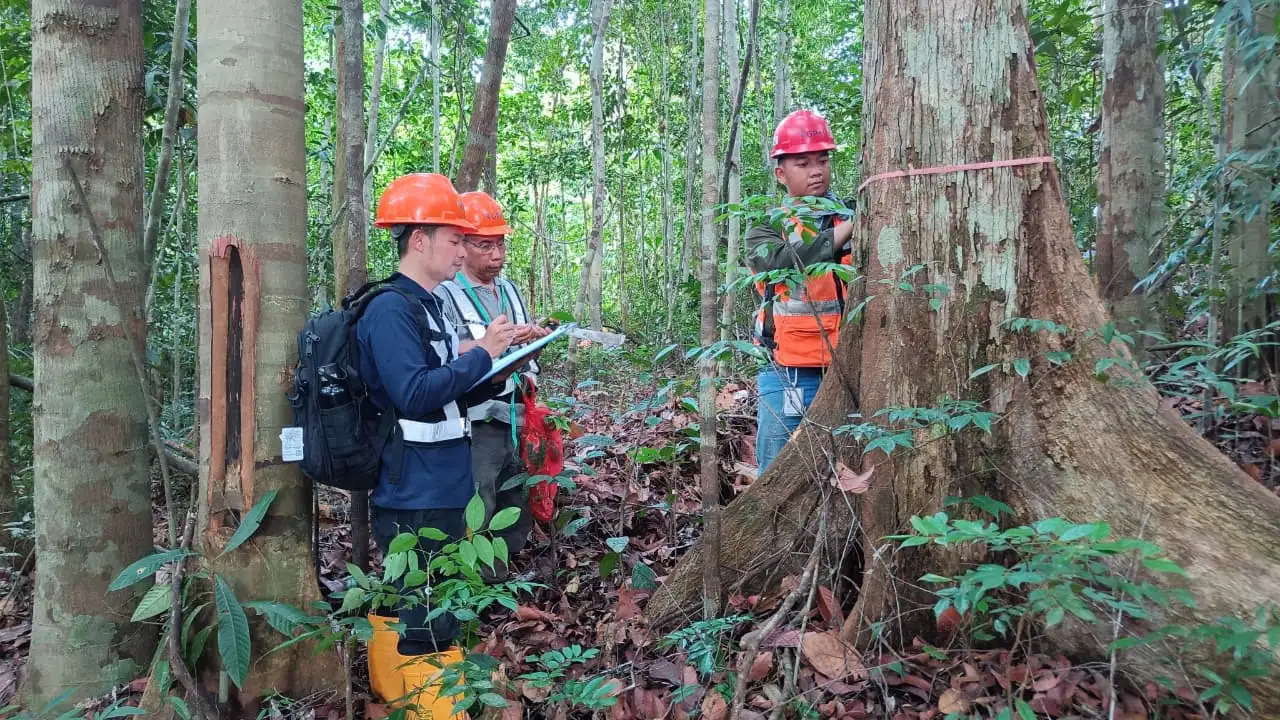
However, responsible sourcing remains essential. Forests supplying timber for CLT must be managed in accordance with rigorous standards that ensure regeneration, biodiversity protection, and long-term sustainability. Without these safeguards, the environmental benefits risk being undermined.
Beyond certified forests and innovative construction, November 2025 marked a significant institutional milestone: FSC Ukraine formally registered as a legal entity. The move strengthens its standing with government institutions and reinforces its operational resilience during wartime.
“This is a unique situation in which a legal entity is being established amid armed conflict. It represents an investment in safeguarding FSC’s mission in Ukraine,” stated Pavlo Kravets, Director of FSC Ukraine LLC. “Certificate holders, the broader forest sector, and civil society receive a clear message that they can rely on our organisation’s strong foundation to advance responsible forest management under extraordinary circumstances.”
A strengthened team is now driving FSC Ukraine’s activities forward. Oksana Pavlishchuk and Yevhenii Khan continue to lead on forest management, chain of custody, and integrity systems. Yaroslav Demianenko oversees communications, while Nadiia Irodovska focuses on European Union integration and compliance with the EU Deforestation Regulation. Pavlo Kravets, who has led the team for a decade, has devoted 25 years to advancing sustainable forestry since FSC first established its presence in Ukraine.
Amid continuing uncertainty, FSC Ukraine remains committed to ensuring that reconstruction efforts not only restore infrastructure but also build a more resilient, low-carbon, and sustainable future for the country. (*)