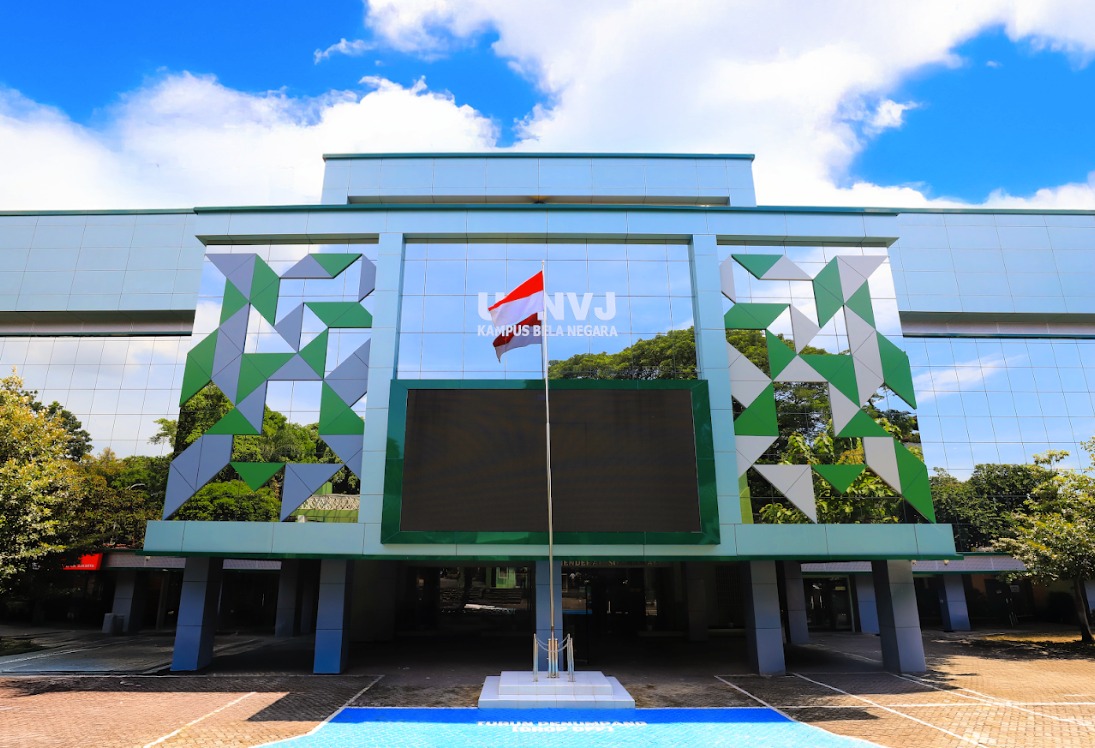
EnviroNewsAsia, Jakarta — Universitas Pembangunan Nasional “Veteran” Jakarta (UPNVJ) has reaffirmed that the restructuring of non-civil service (Non-ASN) personnel within the university has been carried out transparently, accountably, and in accordance with regulations issued by the central government. The policy forms part of the national agenda to reorganize Non-ASN personnel while providing legal certainty, employment status clarity, and protection of employees’ rights during the transition.
UPNVJ stated that of the 334 Non-ASN employees recorded as of September 2025, a total of 278 participated in the recruitment process for Government Employees with Work Agreements (PPPK). All candidates successfully passed the selection process and were officially appointed as PPPK civil servants (ASN-PPPK), effective October 1, 2025. The remaining 56 employees are undergoing further administrative arrangements under varying circumstances.
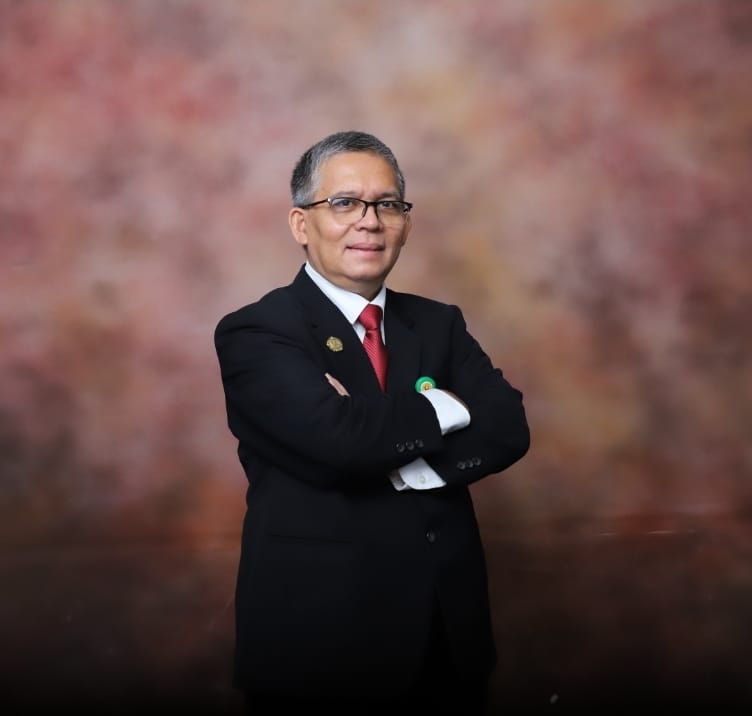
Ten employees voluntarily resigned after pursuing career opportunities at other government institutions or private companies. The other 46 have not yet transitioned to ASN-PPPK status due to individual administrative issues or personal decisions, both of which the university said it respects. Ahmad Ahsin Thohari, Head of UPNVJ’s Bureau of Planning, Finance, and General Affairs, emphasized that throughout the transition process, the university has remained committed to safeguarding the financial rights of its lecturers and education personnel in accordance with prevailing regulations.
“We ensure that all salary and financial entitlements, both for permanent lecturers under the Public Service Agency (BLU) scheme and professional personnel, are disbursed through a transparent and accountable banking payroll system. UPNVJ maintains a comprehensive payment record and an integrated payroll system that complies with the regulations governing Public Service Agencies.
No employee’s financial rights have been overlooked. Every payment reflects our commitment to ensuring lecturers’ welfare within the applicable legal framework,” Ahmad said during a meeting with journalists on Saturday (July 4, 2026).
The university also responded to information circulating in the public, stressing that every adjustment in employment status represents an institutional effort to align internal policies with government regulations. T
he transition from permanent UPNVJ employee status to permanent BLU employee status, followed by proposals for appointment as professional personnel, was undertaken as an administrative measure to ensure that permanent lecturers have a sound legal basis for their employment while preserving their entitlement to remuneration in accordance with applicable laws and regulations.
Regarding the document titled Statement of Willingness to Be Nominated as Professional Personnel, UPNVJ explained that it is purely an administrative declaration indicating whether a Non-ASN lecturer agrees to be proposed for professional personnel status.
The university said the measure was introduced solely to provide legal certainty and prevent any interruption in salary payments. It added that the policy is intended to ensure continuity in academic services while keeping every administrative decision within the framework of prevailing laws and regulations.
As a state university operating under the Public Service Agency (BLU) financial management system, UPNVJ said it has a responsibility to manage its human resources in an orderly, accountable, and sustainable manner.
The restructuring of Non-ASN personnel, the university noted, is not merely an administrative exercise but also concerns institutional stability, the quality of academic services, and career certainty for employees who meet the applicable requirements.
UPNVJ further stated that it respects the ongoing judicial review of the Law on Teachers and Lecturers currently being heard before the Constitutional Court of Indonesia. The university also reiterated its commitment to maintaining open and constructive dialogue with all stakeholders so that employment-related issues can be addressed proportionately, in accordance with the law, and on the basis of verified facts and data. (*)