

Enviro News Asia, Jakarta — Indonesia’s Vice Minister of Forestry Rohmat Marzuki emphasized that every discovery of new plant species in Indonesia should not only be seen as a scientific achievement, but also as a reminder of the importance of protecting forests and biodiversity more seriously.
The statement was delivered during the event “BRIN Goes to Stakeholders & Society: Exposing New Species – Flora” held at the Soemitro Djojohadikusumo Auditorium of National Research and Innovation Agency (BRIN) in Jakarta on May 25, 2026.
According to Rohmat Marzuki, a number of new plant species have recently been discovered through field expeditions conducted in Papua and West Kalimantan. He expressed hope that similar exploration activities would continue to be expanded in the future.
“Going forward, exploration activities must continue so that we do not lose these important resources,” he said.
Indonesia ranks among the world’s most biodiverse countries, and the Vice Minister stressed that the nation’s biodiversity is not only a natural heritage but also a strategic asset for ecological resilience, food security, public health, culture, and community welfare.
“Behind every newly discovered species lies ecological value, scientific information, sustainable utilization potential, and a major responsibility to ensure that the species does not disappear before we understand its role within the ecosystem,” he explained.
Rohmat Marzuki also highlighted the importance of scientific expertise and research support from National Research and Innovation Agency and universities in assisting the Ministry of Forestry, particularly in addressing capacity gaps among field personnel.
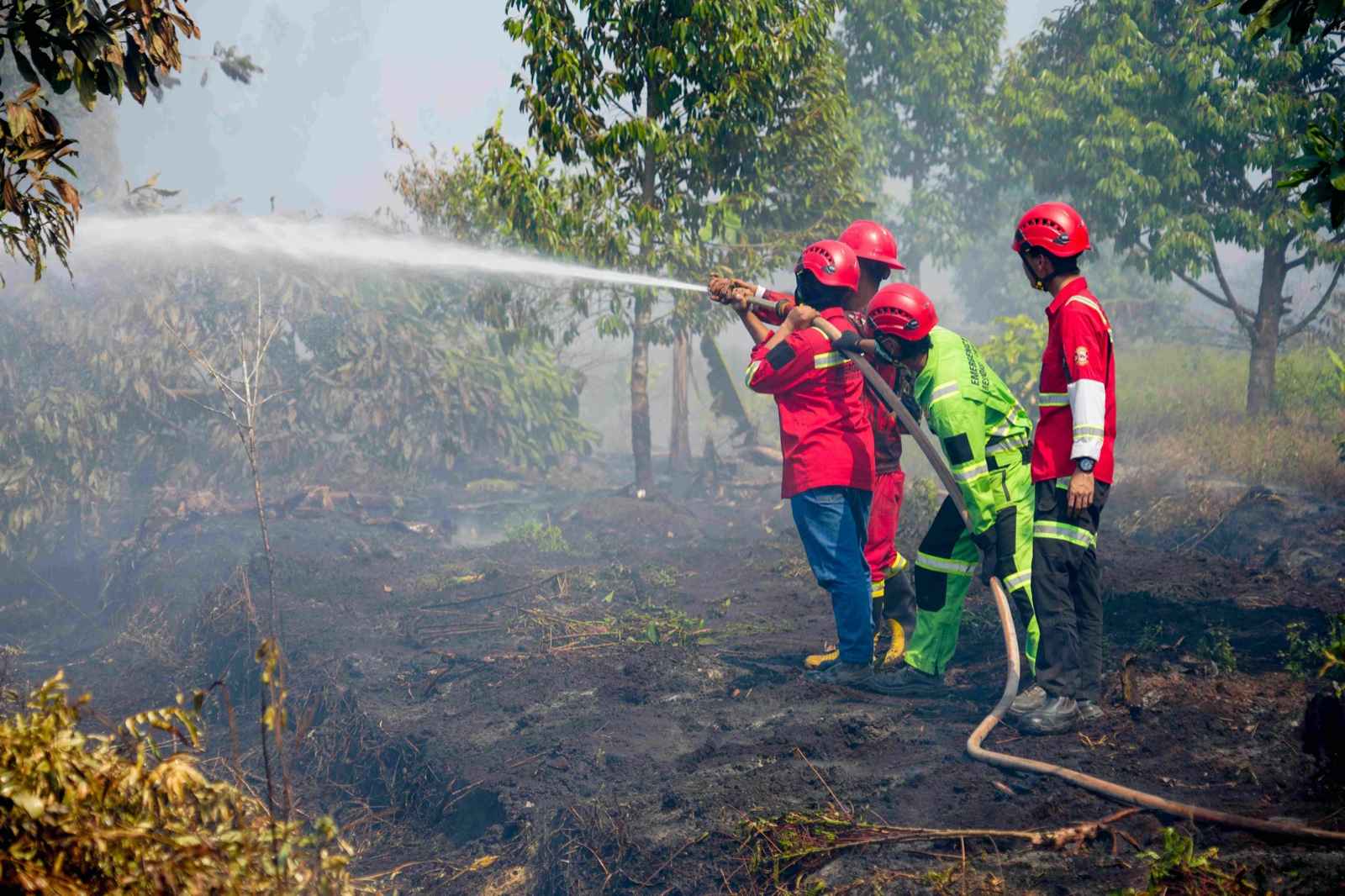
He noted that collaboration between research institutions and the government is increasingly crucial as conservation challenges such as land cover change, forest fires, invasive species, and climate change continue to intensify.
“The National Research and Innovation Agency and universities are scientific authorities that play an important role in supporting the Ministry of Forestry as the management authority for biodiversity. Sustainable synergy is essential to maintain biodiversity conservation,” he said.
The Vice Minister added that research findings, including documentation of newly discovered flora species, should be translated into operational information that can directly support forest and conservation area management.
He also underlined Indonesia’s significant potential in bioprospecting development. Several collaborative initiatives between the Ministry of Forestry and BRIN have already produced concrete results, including the utilization of Tridemia hirta from Mount Merapi National Park for cosmetic ingredients and the development of anticancer compounds derived from fungi found in Mount Rinjani National Park.
During the event, Rohmat Marzuki proposed three future collaborative agendas: building a valid and policy-oriented database of Indonesia’s flora biodiversity, strengthening the connection between scientific research and forest management practices, and expanding public education to foster greater national pride in Indonesia’s flora diversity.
“People will be more motivated to protect something they know and understand the value of,” he added.
A similar view was expressed by I Gede Wenten, Special Staff to the Minister of Higher Education, Science, and Technology for Research and Development and member of BRIN’s Steering Committee. He said that the discovery of new flora species should serve not only as scientific progress but also as a foundation for building Indonesia’s knowledge-based bioeconomy.
According to him, Indonesia’s biodiversity wealth must be accompanied by mastery of science and technology in order to generate greater national value.
“A nation that only possesses biodiversity will remain merely the owner of resources, but a nation that masters knowledge about its biodiversity will become the owner of the future,” he stated. (*)