Enviro News Asia, Jakarta — For the people of Pari Island in the Thousand Islands regency, mangroves are more than just trees. They serve as a natural barrier against coastal erosion, provide habitat for marine species, and sustain the livelihoods of fishing communities that depend on healthy coastal ecosystems.
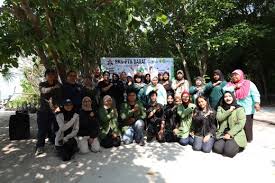
That message was conveyed by Asmania, a fisherwoman and head of the Pari Island Women’s Group, during the planting of 500 mangrove seedlings alongside students from Universitas Pembangunan Nasional “Veteran” Jakarta (UPNVJ) at Rengge Beach, Pari Island, on 8 June.
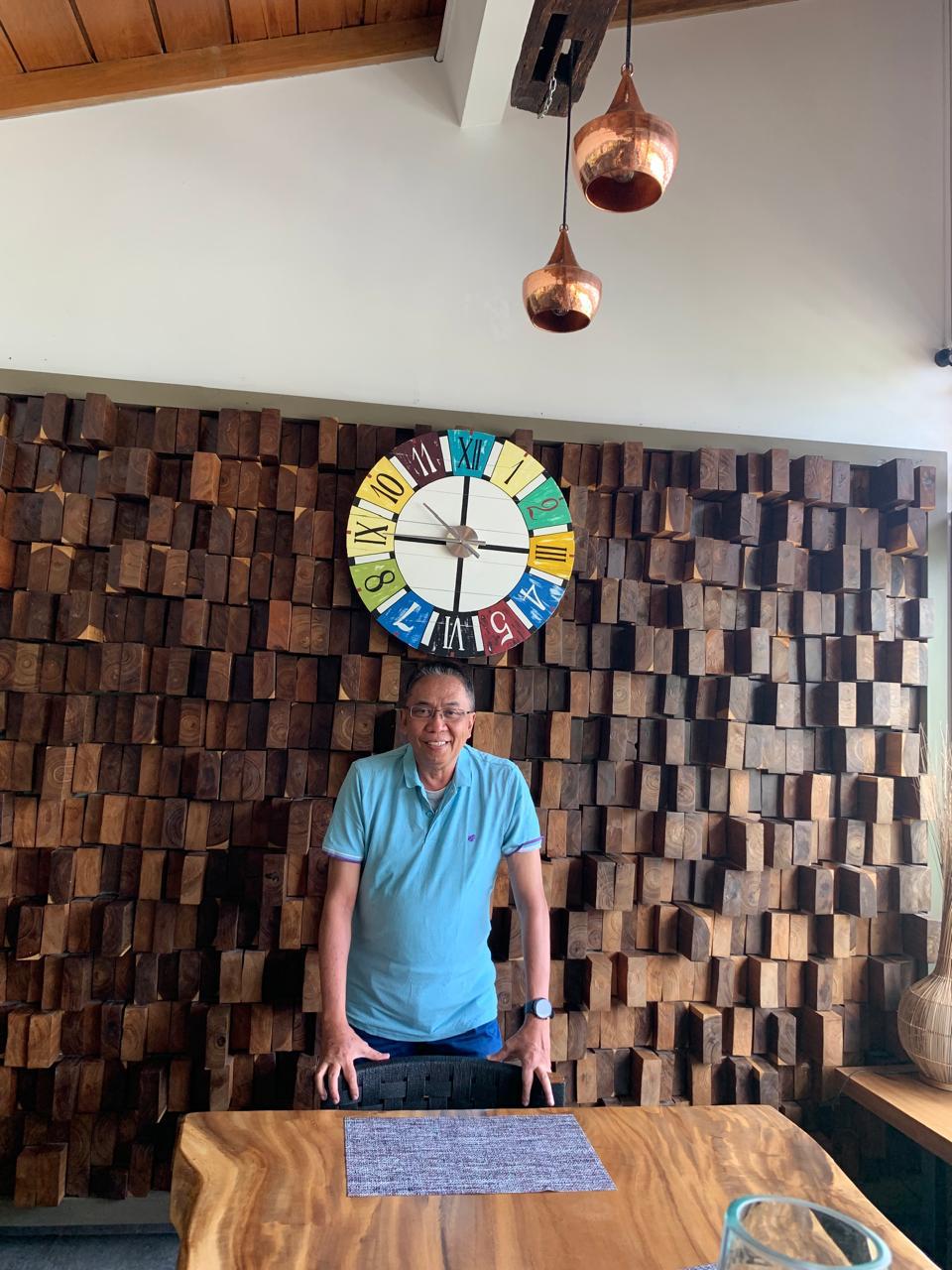
Known locally as Teh AA, Asmania is a mother of three whose family relies on the sea for their livelihood. Together with her husband, who also works as a fisherman, she depends on the health of the island’s marine and coastal ecosystems.
She said the mangrove planting program involving UPNVJ students proceeded smoothly, aided by favorable tidal conditions.
“Fortunately, the mangrove planting activity went well. The high tide today created suitable conditions for planting along the coast,” Asmania said.
She expressed appreciation for the students’ participation and their willingness to work directly with the women’s group to preserve the island’s environment.
“We are grateful to the students from UPN Veteran Jakarta for joining us and contributing to mangrove planting together with the women of Pari Island,” she said.
According to Asmania, local residents have been planting mangroves continuously for years. Thousands of mangrove trees have already been established across the western and eastern parts of the island.
“We have planted thousands of mangroves throughout the Pari Island cluster. Both the western and eastern areas have been covered,” she explained.
Mangrove restoration efforts have extended beyond Rengge Beach to community-managed coastal areas such as Perawan Beach and Bintang Beach. The initiative aims to strengthen natural defenses against abrasion and changing coastal conditions.
“Mangroves are extremely important for those of us living in coastal areas. They serve as a sea fence for communities living on small islands,” she said.
For local fishers, mangroves are also closely linked to economic sustainability. As the trees mature, they provide breeding grounds, shelter, and feeding areas for fish and other marine species.
“When the mangroves grow larger, they will become a home for fish and an integral part of the marine ecosystem around Pari Island,” she added.
Besides protecting coastlines and supporting biodiversity, mangroves are recognized for their ability to absorb carbon, making them a valuable asset in efforts to mitigate climate change and maintain ecological balance.
The active participation of the Pari Island Women’s Group highlights the important role of coastal women in environmental stewardship. Beyond supporting their families, they are directly involved in planting, maintaining, and conserving mangrove ecosystems.
For Asmania, protecting the island’s land and sea is a shared responsibility that will determine the future of local livelihoods and the well-being of future generations.
She encouraged young people to remain committed to environmental protection.
“To young people and everyone who cares about the environment, let us continue protecting our land and sea for future generations,” she said.
“Future generations deserve a better livelihood. That is why we must safeguard both our oceans and our land together,” she added.
The collaboration between UPNVJ students and the people of Pari Island demonstrates that environmental conservation requires collective action. Through mangrove planting, students and local residents are nurturing more than trees—they are safeguarding their island, preserving marine habitats, and planting hope for generations to come. (www.upnvj.ac.id)