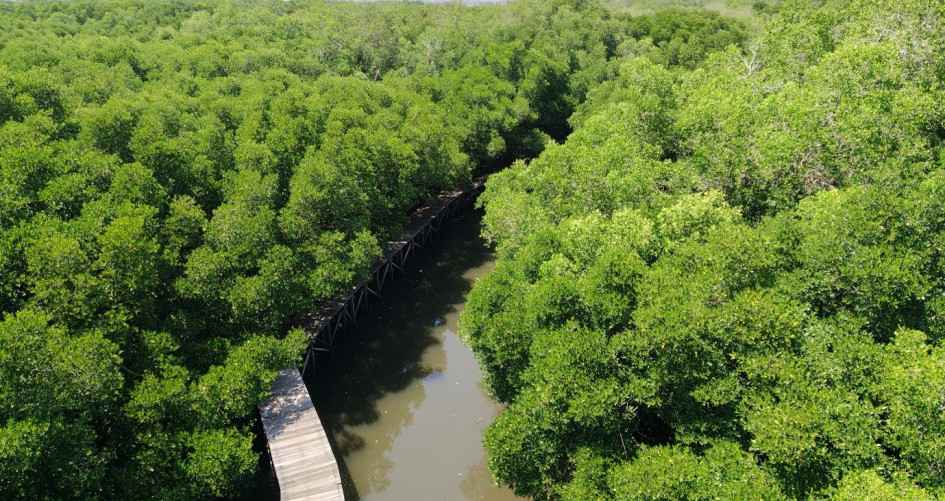
Enviro News Asia, Yogyakarta — Indonesia is consolidating the management of 1.08 million hectares of specially managed forest areas across Java and Madura under a 2026–2035 framework designed to balance environmental protection, economic development and community welfare.
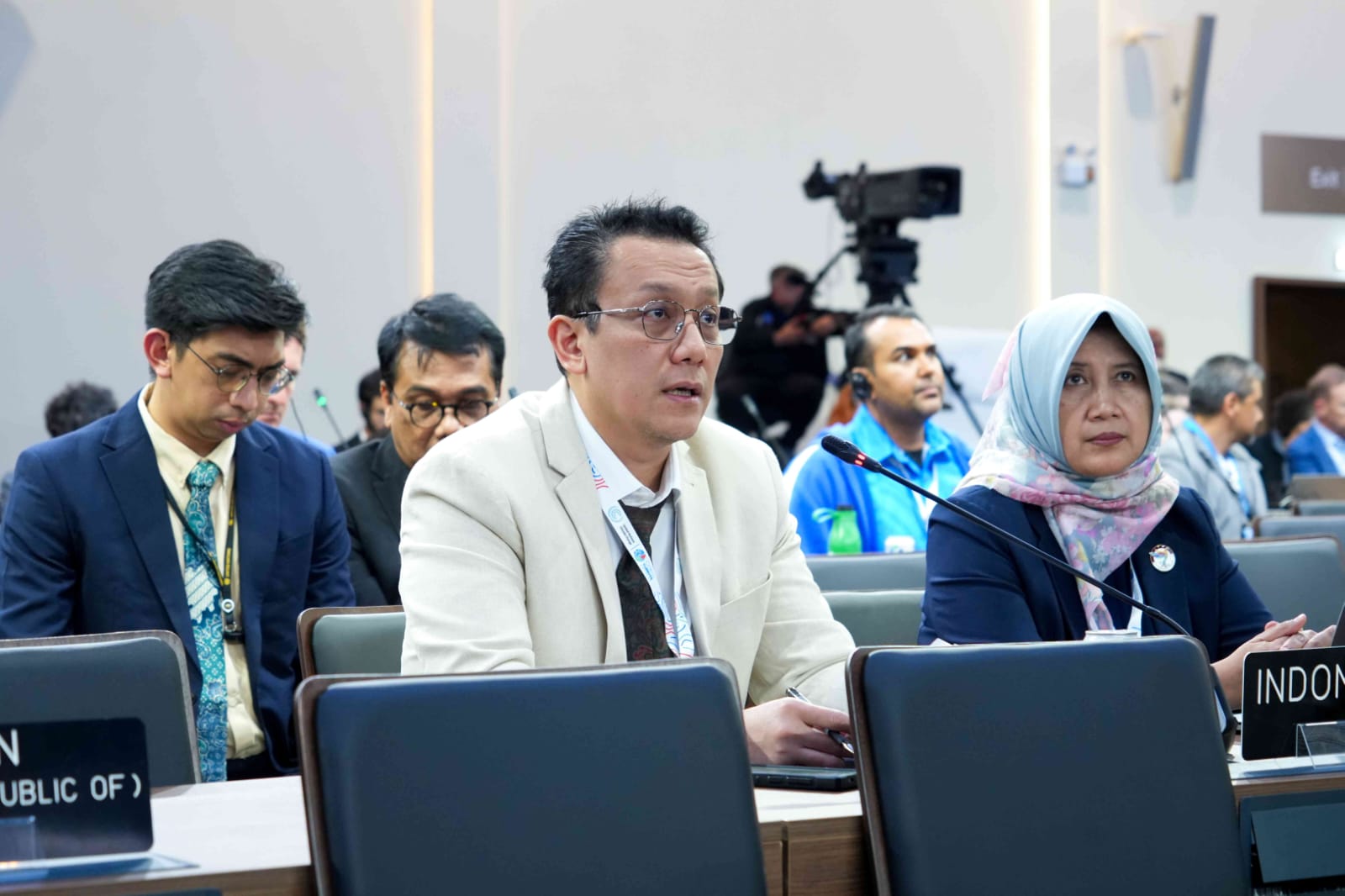
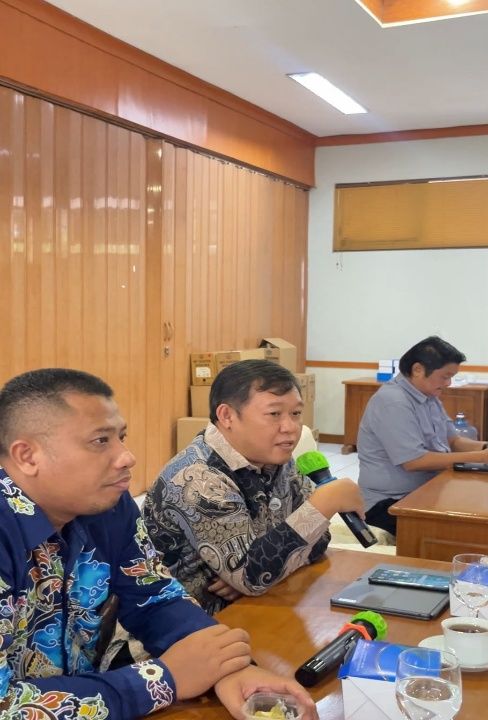
The Ministry of Forestry held a coordination meeting on Special Management Forest Areas (KHDPK) and the 2026–2035 Special Management Forest Area Plan (RPKHDPK) in Sleman, Yogyakarta, on September 11, bringing together officials from the ministry, Perum Perhutani, PT Palawi Risorsis and forestry and environmental agencies from Banten, West Java, Central Java and East Java.
The meeting sought to establish a common direction for managing KHDPK over the next decade, with community access and ecosystem protection forming key elements of the strategy.
Representing the Governor of Yogyakarta, Vice Governor KGPAA Paku Alam X welcomed the coordination effort and linked sustainable forest management with the Javanese philosophy of Memayu Hayuning Bawana, which emphasizes maintaining a safe, beautiful and sustainable natural environment.
“We hope this meeting produces a common understanding for managing KHDPK properly and fairly,” Paku Alam X said.
Forestry Ministry Secretary General Mahfudz said the RPKHDPK would serve as a roadmap rather than a final document. He emphasized that forests in Java are living landscapes where millions of people depend on surrounding resources, requiring adaptive and sustainable management.
“KHDPK must be positioned as an instrument for regional development and community welfare,” Mahfudz said, adding that management should balance economic and ecological benefits while reducing overlapping claims and responsibilities within forest areas.
He outlined five priorities for KHDPK management: certainty in forest-area planning; community access, empowerment and welfare; ecosystem protection and rehabilitation; utilization of timber, non-timber forest products and environmental services; and stronger data governance, coordination and oversight.
Director General of Forestry Planning Ade Tri Ajikusumah said KHDPK designation aims to improve the efficiency of managing production and protection forests in Java, expand economic opportunities for local communities, accelerate development and public services, and improve environmental quality.
Land tenure issues covering 16,609.78 hectares are being addressed through mechanisms including changes in forest-area designation, forest-area use and social forestry.
Ade said production forests could be used for strategic non-forestry development under specific conditions, while protection forests would face much stricter restrictions. Conservation forests remain fully excluded from the mechanism.
Meanwhile, Director General of Sustainable Forest Management Laksmi Wijayanti said about 22 percent of the total KHDPK area has been allocated for environmental services. These include water utilization, nature-based tourism, environmental protection and restoration, and carbon absorption and storage.
Laksmi said the government is revising Minister of Environment and Forestry Regulation No. 8/2021 to provide additional mechanisms for environmental-service utilization, including possible ministerial approval for governors. She stressed that activities should follow ecosystem-scale management and integrate disaster-risk mitigation with regional spatial planning.
Social forestry will also play a central role. Director General of Social Forestry Catur Endah Prasetiani said the program is primarily aimed at reducing poverty among communities surrounding forests.
Existing Forestry Partnership (Kulin KK) and Social Forestry Forest Management Permit (IPHPS) schemes will transition into Village Forests, Community Forests or Community Plantation Forests under Minister of Environment and Forestry Regulation No. 4 of 2023.
Catur said approximately 1,800 social forestry proposals have been submitted for KHDPK areas, with the proposed area approaching the allocation designated by the government.
Forest rehabilitation represents another major component of the plan. Director General of Watershed Management and Forest Rehabilitation Dyah Murtiningsih said approximately 176,932 hectares, or 16.36 percent of KHDPK, have been identified for forest rehabilitation. Of this area, 160,074 hectares are classified as critical land requiring urgent intervention.
Dyah said rehabilitation should follow watershed boundaries rather than administrative divisions to restore watershed functions and strengthen water security across Java. She also called for social forestry groups to become key actors in rehabilitation programs.
Perum Perhutani President Director Tio Handoko said the company would support collaborative solutions and emphasized a shift away from forest exploitation as the primary performance indicator.
“Perhutani’s transformation is no longer about making forest exploitation the main indicator, but about placing sustainability and forest protection capacity at the center of its mission,” Tio said.
The Ministry of Forestry said the RPKHDPK will guide annual KHDPK management plans from the national level to individual sites. The framework will apply to Perum Perhutani, social forestry approval holders, forest-area use approval holders and environmental-service utilization approval holders.
During the institutional transition, the government will strengthen KHDPK management through the establishment of Forest Ecosystem Management Centers (PUSPEH) in each province across Java. The centers will coordinate technical implementation units under the Ministry of Forestry.
The ministry has called on regional governments, Perum Perhutani, businesses and local communities to jointly oversee implementation of the 2026–2035 plan and ensure that forest management across Java remains sustainable, productive and equitable. (*)