Enviro News Asia, Depok — Indonesia’s Ministry of Forestry is strengthening oversight and coordination to accelerate the recovery of outstanding non-tax state revenue (PNBP) debts in the forestry sector, with an emphasis on protecting state financial rights and improving accountability.
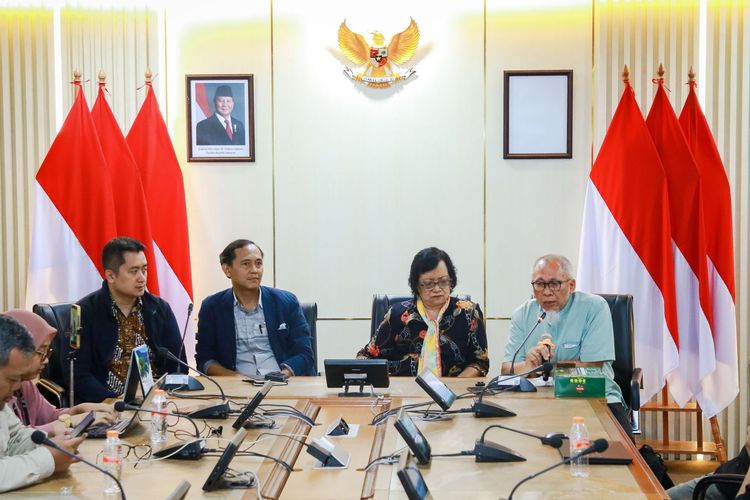
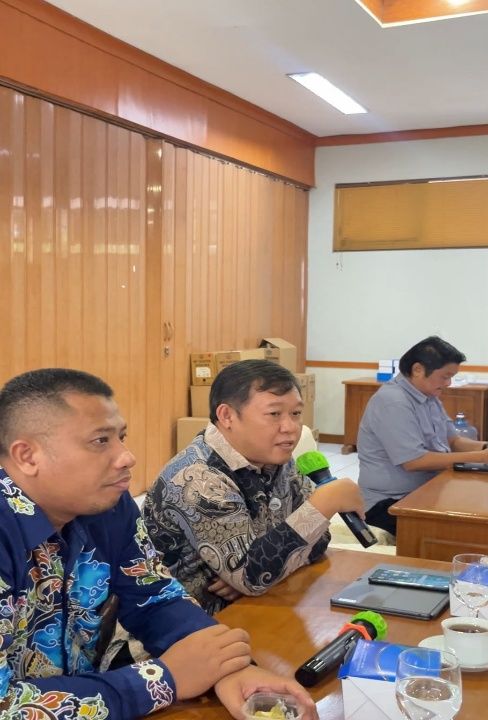
The ministry’s Inspectorate General held a discussion forum titled “Oversight and Mitigation Measures to Accelerate the Settlement of PNBP Receivables” on Nov. 20 at the ministry’s archival unit office in Jatijajar, Depok, West Java. The hybrid meeting formed part of the Road to Hakordia 2026 programme ahead of International Anti-Corruption Day.
Inspector III of the Inspectorate General, Andri Gunawan, opened and chaired the meeting. Other participants included Inspectorate General Secretary Joko Yunianto, representing the acting Inspector General, and General Bureau Head Irfan Mudofar, who was also serving as acting Secretary General.
Yunianto said the forum aimed to speed up the settlement of outstanding non-tax state revenue obligations in the forestry sector by identifying problems, examining obstacles and developing coordinated follow-up measures.
Totok Prihantoro, director of digital forensics and data analytics at the Financial and Development Supervisory Agency (BPKP), said debt recovery efforts must safeguard the state’s right to collect outstanding payments.
He stressed the need for reliable information, accurate decision-making and consistent follow-up. Higher PNBP receipts do not necessarily indicate that outstanding debts have been settled, while the write-down or allowance of receivables does not automatically extinguish the state’s collection rights, he said.
To improve debt management, BPKP recommended a three-lines oversight model. The first line consists of PNBP managers and technical implementation units (UPTs), which are responsible for validating bills, conducting collections and ensuring supporting documents are complete.
The second line involves units appointed by ministry leadership to develop recovery strategies, coordinate action and monitor progress. The Inspectorate General serves as the third line, providing independent assurance and advisory services.
The forum also emphasised that recovery strategies should reflect the circumstances and characteristics of individual debts. Measures could include strengthening collection efforts, reconciling financial records and completing the documentation required to transfer outstanding receivables to the State Receivables Affairs Committee (PUPN) through the State Asset and Auction Service Office (KPKNL).
Overdue and non-performing debts were identified as priorities, particularly those requiring faster completion of transfer documents for PUPN processing. Each collection effort should have an assigned person in charge, a clear completion deadline and verifiable evidence of implementation.
The meeting also called for careful assessment of receivables allowances and write-offs, ensuring that valuations can be verified, regulatory requirements are met and decisions are made by authorised officials.
Participants outlined several follow-up measures, including reviewing the transfer status of each debt case to PUPN and KPKNL, completing supporting documents and reporting administrative obstacles to Inspectorate III.
They also recommended updating data on liable parties, obtaining copies of the required PSBDT documents and information on permit types, and reconciling outstanding balances with the ministry’s Finance Bureau.
Other measures include reviewing the appropriateness of receivables allowances and proposed write-offs, assigning responsible officers to each debt category, intensifying collection of unpaid rental fees and improving outreach on regulations and debt-settlement procedures among PNBP managers and technical units.
As a follow-up, Inspectorate III will prepare written recommendations based on the forum’s findings, monitor and verify implementation, and escalate obstacles requiring decisions from senior officials.
The ministry said stronger cooperation among PNBP management units, supporting departments and the Inspectorate General was essential to resolving outstanding state receivables. Oversight efforts would focus not only on improving collection efficiency but also on administrative certainty, sound decision-making and safeguarding state financial rights. (*)