

Enviro News Asia, Fiji — Rising global temperatures are creating growing risks for pregnant women, mothers and newborns as extreme heat becomes more frequent and intense, UN Climate Change Executive Secretary Simon Stiell said during the Pre-COP31 ministerial meeting in Fiji on October 5, 2026.
Stiell said climate change is increasingly affecting pregnancy and childbirth, with extreme heat linked to premature birth, stillbirth, low birth weight and maternal health complications.
New data commissioned by Wellcome and presented at the event showed that 73% of maternal health professionals surveyed across five countries reported increases in heat-related cases or complications over the past five years.
The survey also found that 81% of respondents were concerned or very concerned that extreme heat would increasingly threaten maternal, fetal and newborn health without stronger action.
Nearly all respondents had cared for pregnant women or newborns whose health they believed had been affected by extreme heat. The figures included 98% of respondents who had treated pregnant women and 99% who had treated babies affected by heat.
Stiell said the findings highlighted an emerging climate vulnerability that could deepen existing inequalities in access to safe pregnancy and childbirth.
“Rising temperatures mean rising danger in pregnancy,” Stiell said.
He noted that climate risks are not distributed equally. Outdoor workers, people living in poorly regulated housing and families traveling long distances for healthcare can face greater exposure to dangerous heat, particularly where clinics lack reliable water, electricity and cooling systems.
The risks are also greater in countries and communities with limited healthcare resources. Stiell said vulnerable nations, including small island states, need greater international support to strengthen healthcare systems and adapt to increasing climate impacts.
He called for the increase in adaptation finance agreed at COP30 in Belém to be delivered and for international efforts to mobilize US$1.3 trillion annually for developing countries.
Stiell identified three priorities for protecting maternal and newborn health from climate impacts.
First, pregnancy and newborn care should become part of national adaptation, heat and health planning. He said maternal and newborn health should be incorporated into national adaptation plans and heat action plans, supported by resilient healthcare facilities, reliable water and electricity supplies, and trained health workers.
Second, scientific evidence should be translated into practical protection. This includes clearer health guidance, professional training, heat alerts, safer healthcare facilities and health systems that can prepare for extreme heat before emergencies occur.
Third, governments and health institutions should improve data collection and analysis. Stiell said stronger data could help identify communities facing the greatest risks, determine which interventions are effective and guide the allocation of finance and technology.
International climate initiatives can also contribute to this effort. Stiell highlighted the Belém Gender Action Plan and the Belém Adaptation Indicators as tools that can support gender-responsive climate action, improve data and track progress toward climate-resilient health services.
He also welcomed the COP31 Presidency of Türkiye and Australia’s role in negotiations for making health a key priority, building on the health agenda advanced during Brazil’s COP30 presidency.
Stiell said protecting maternal and newborn health should remain a central part of climate adaptation because the safety of pregnancy and childbirth should not depend on a family’s ability to escape extreme heat.
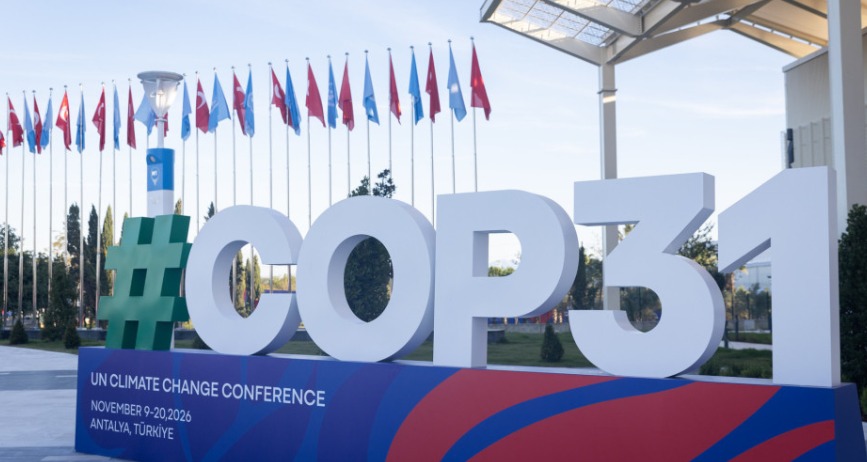
The Pre-COP31 ministerial meeting in Fiji is part of preparations for COP31, which will be held in Antalya, Türkiye. (*)