
Enviro News Asia, Jakarta — Reducing methane emissions from Indonesia’s energy sector could deliver benefits beyond tackling climate change, including improved energy efficiency, stronger supply security and greater economic value, according to the Institute for Essential Services Reform (IESR).
Methane released into the atmosphere represents not only a potent greenhouse gas but also energy resources that could otherwise be captured and used. IESR argues that preventing leaks and recovering the gas could reduce waste while supporting Indonesia’s economic and climate objectives.
Indonesia joined the Global Methane Pledge (GMP) in 2021, committing to a global effort to cut methane emissions by at least 30 per cent by 2030. However, IESR’s latest study, titled “Methane Abatement Roadmap for Indonesia’s Energy Sector: Oil, Gas, and Coal Methane Cuts to 2030”, estimates that methane emissions from Indonesia’s energy sector increased by around 19 per cent between 2021 and 2025, rising from 1.09 million tonnes to 1.29 million tonnes. Coal mining accounted for most of the increase.
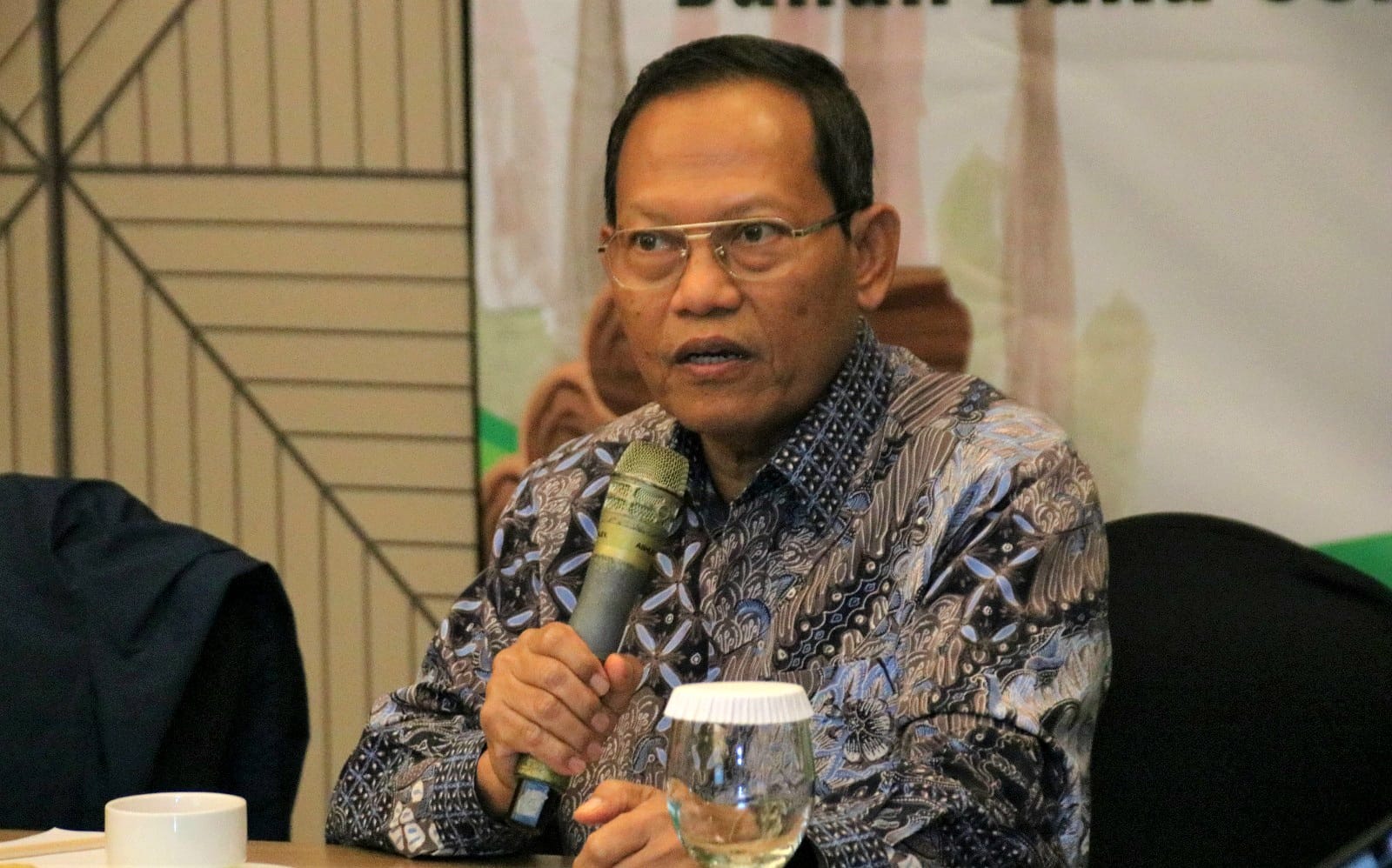
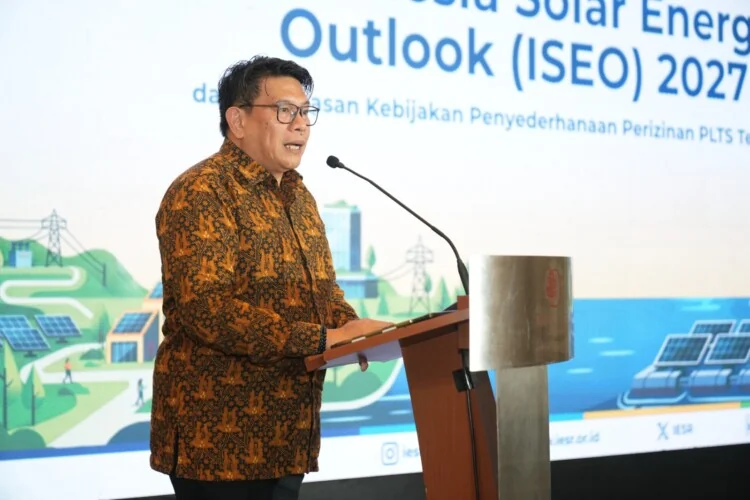
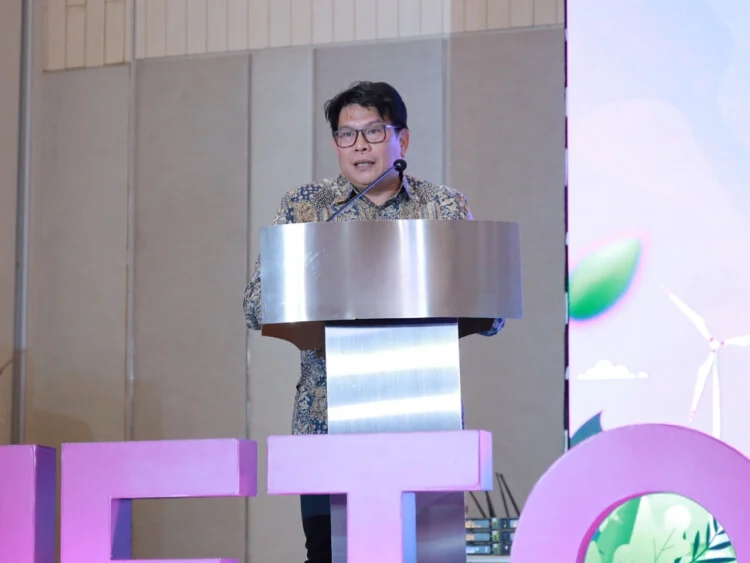
“Methane is one of the greenhouse gases contributing to global warming. Reducing its emissions is therefore an important measure that can be implemented relatively quickly to slow the rise in global temperatures,” said IESR Chief Executive Officer Fabby Tumiwa.
The study found that available technologies could help bring energy-sector methane emissions down to approximately 2020 levels. Under this mitigation scenario, emissions in 2030 would be around 45 per cent lower than under a business-as-usual scenario.
Without additional measures, however, methane emissions from the energy sector could reach almost twice their 2020 level by 2032.
IESR also identified a significant gap in mitigation efforts between the oil and gas industry and coal mining. Some oil and gas companies have joined international initiatives and begun adopting direct measurement technologies. Coal mining, which accounted for 58 per cent of energy-sector methane emissions in 2025, has made far less progress.
Of the 13 coal companies reviewed by IESR, only six included methane emissions in their Scope 1 reporting.
Methane reduction could also generate economic returns. Around one-fifth of the emissions cuts outlined in the roadmap could effectively pay for themselves, as captured gas from replacing pneumatic equipment, repairing leaks and recovering gas during maintenance could be sold.
The roadmap estimates total implementation costs at approximately US$5.2 billion between 2026 and 2040, equivalent to around US$350 million annually. Meanwhile, the productivity value of working hours preserved by reducing exposure to extreme heat could reach approximately US$8 billion over the same period, even before health benefits are taken into account.
IESR has recommended five main policy measures. These include establishing a measurable national methane reduction target, expanding oil and gas regulations beyond flaring to cover leaks and venting, and developing a phased methane management strategy specifically for coal mines.
The institute also called for a transparent inventory and measurement, reporting and verification (MRV) system under a single designated authority. It further urged the government to include health and employment benefits when assessing methane reduction policies.
For 2026–2027, IESR recommends that the government establish the regulatory and data foundations by setting national targets, appointing an institution responsible for methane measurement and requiring companies to begin measuring and reporting their emissions.
Between 2028 and 2030, the policy framework should advance towards routine leak inspections, the elimination of routine flaring and mandatory methane management plans for every coal mine.
After 2030, the government could revise its targets based on actual measurement results and expand carbon pricing mechanisms to cover methane emissions from fossil fuel production, processing and transportation.
The benefits extend to public health and workplace safety. IESR estimates that methane mitigation measures could help prevent around 450 premature deaths and avoid approximately 540 million working hours lost due to extreme heat by 2040.
At mining sites, better methane management could also improve worker safety and reduce the risk of explosions.
“These benefits show that methane reduction should not be viewed solely as an environmental agenda. The government needs to establish more credible targets and policies while providing incentives for companies to cut emissions,” Fabby said. He also called on businesses to take responsibility and demonstrate their commitment to addressing the climate crisis.
IESR further urged Indonesia to include more measurable targets for reducing methane emissions from the energy sector in its updated Second Nationally Determined Contribution (SNDC). Such targets, it said, would demonstrate the country’s commitment to stronger climate action while making progress easier to monitor. (*)