

Enviro News Asia, Bali — Indonesia’s Environment Ministry has urged the completion of wastewater treatment facilities at Suwung Final Disposal Site to prevent leachate pollution from further damaging surrounding mangrove ecosystems, warning that the landfill could reach its capacity within two to three months.
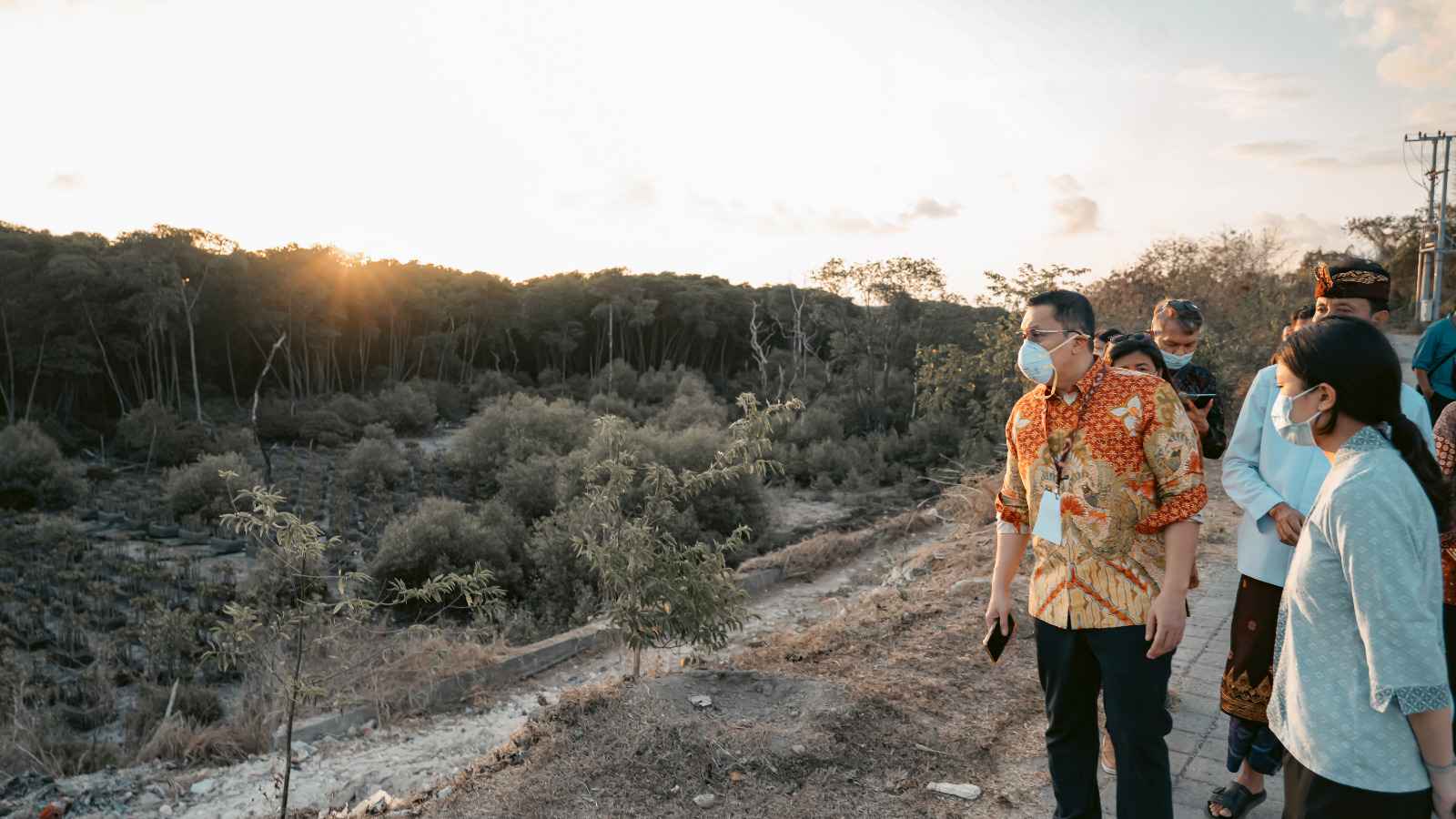
Deputy Environment Minister and Deputy Head of the Environmental Control Agency Diaz Hendropriyono inspected the site on October 22, 2026, and called for the accelerated completion of the wastewater treatment plant. The ministry issued its statement on October 24.
During the visit, Diaz acknowledged efforts by the landfill operator to restore the ecosystem through mangrove replanting but said leachate was still leaking from the site. He stressed that completing the treatment infrastructure was essential to prevent further contamination.
Leachate, the contaminated liquid produced when water passes through waste, can harm mangroves if it enters the surrounding environment. Diaz recalled an earlier incident in which leachate escaped through a pipe and polluted the mangrove area, causing plants to die.
The inspection also examined the landfill’s preparedness for extreme weather and fire risks. Diaz commended the operator’s mitigation measures, including regular spraying and patrols, which are intended to prevent fires under extreme hot-weather conditions.
According to Diaz, a fire at the facility about a month earlier was extinguished within 17 minutes. He linked the response to the operator’s implementation of Environment Minister Circular Letter No. 11 of 2026 on preventing fires at landfills during periods of extreme heat.
Beyond pollution control, the ministry warned that Suwung was approaching a critical capacity limit. Diaz said the facility could become unable to accept additional waste within two to three months if waste generation and disposal were not addressed.
He urged Bali residents to reduce the amount of waste sent to the landfill by sorting and managing waste at home. The warning highlights the need for action at the source, alongside improvements to landfill infrastructure, to reduce pressure on the site and protect nearby ecosystems. (*)