Enviro News Asia, Antalya — Indonesia is preparing a 10-year conservation strategy for the Javan leopard, using island-wide scientific survey findings to guide habitat protection, wildlife corridor restoration and efforts to reduce human-wildlife conflict.
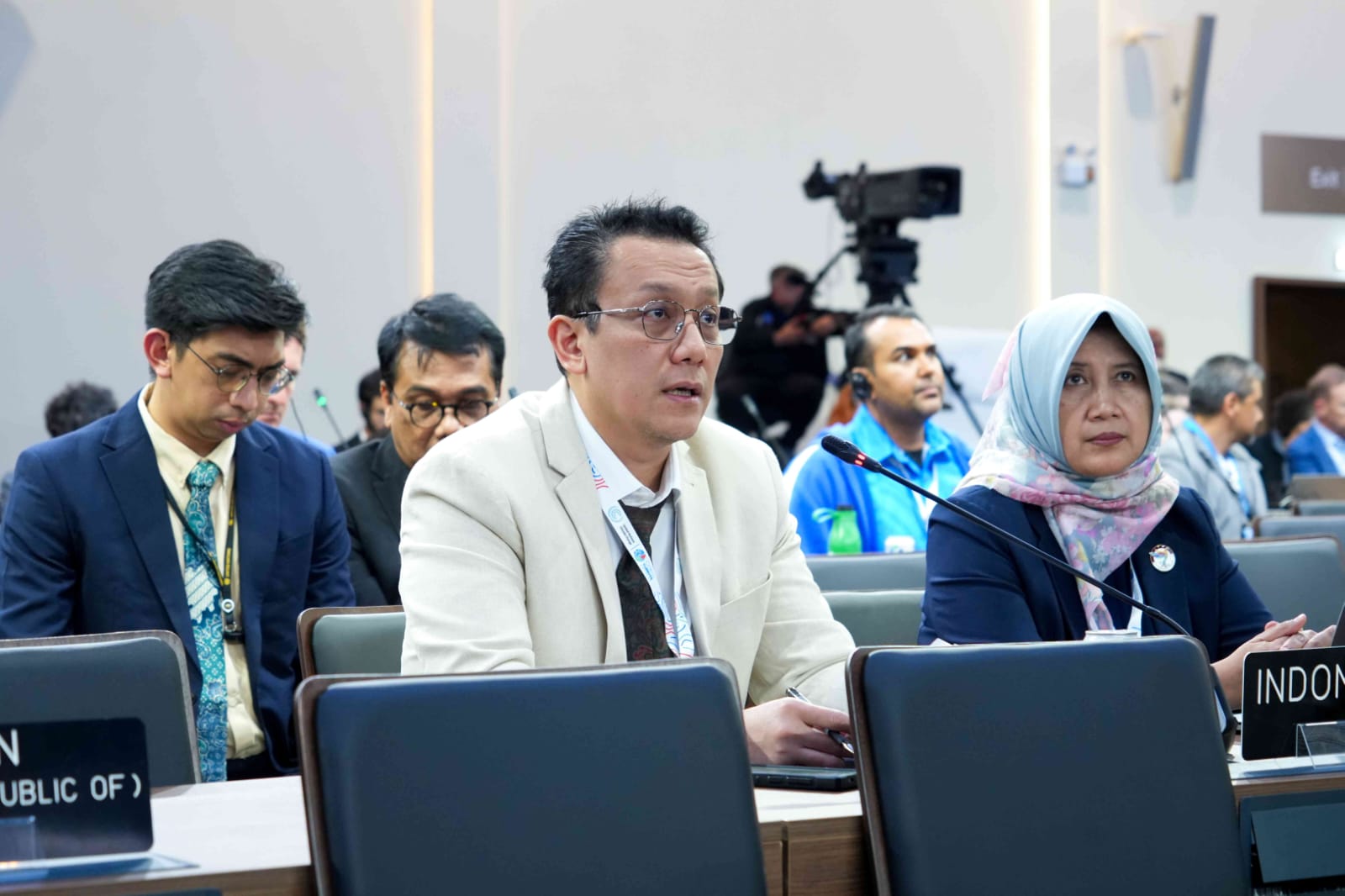
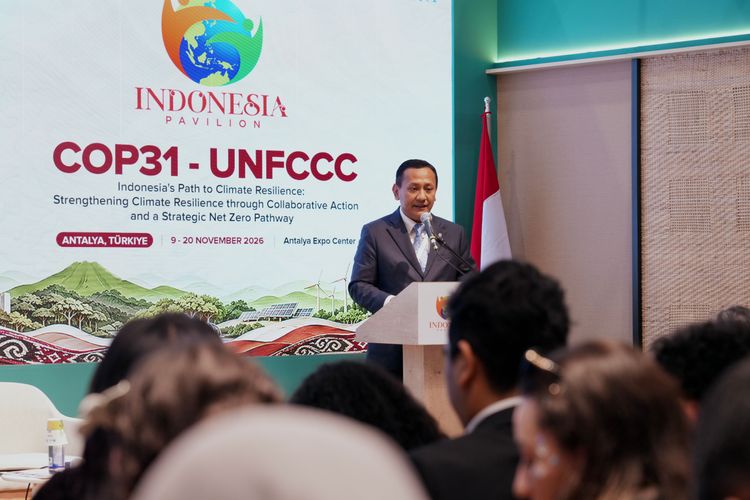
Vice Forestry Minister Rohmat Marzuki outlined the plan during a discussion titled “From Data to Action: Building a Decade of Javan Leopard Conservation Together” at the Indonesian Pavilion at the 31st United Nations Climate Change Conference (COP31) in Antalya, Türkiye, on Nov. 12.
The Javan leopard (Panthera pardus melas), the only remaining native big cat on the island, is classified as Endangered on the International Union for Conservation of Nature (IUCN) Red List. Its survival is threatened by habitat fragmentation, human activities and declining connectivity between forest areas.
An IUCN assessment in 2021 estimated the population at approximately 319 adult individuals.
“The Javan leopard is the last native big cat surviving on Java. Its survival depends on healthy forests, sufficient prey and connected habitats. Protecting this species also means protecting the ecosystems that sustain people’s lives,” Rohmat said.
To strengthen the scientific basis for conservation, the Forestry Ministry’s Directorate General of Natural Resources and Ecosystem Conservation (KSDAE), together with SINTAS Indonesia Foundation and other partners, has conducted the Java-Wide Leopard Survey (JWLS) since 2024.
The survey combines camera trapping, field observations and genetic sampling to build a more comprehensive picture of the species’ distribution, population, habitat conditions and threats.
The programme involves 69 local institutions and has installed 680 camera traps across 2,400 observation points. It has generated more than 2.3 million photographs, producing over 20 terabytes of data, and collected 373 scat samples.
Genetic analysis has identified data covering 226 individual Javan leopards, providing an important basis for assessing population viability and developing targeted conservation policies.
The ministry plans to use the findings to update the Javan Leopard Conservation Strategy and Action Plan (SRAK), as the 2016–2026 plan reaches the end of its term.
Rohmat said scientific findings must translate into practical management decisions, including identifying priority habitats, restoring ecological connectivity, reducing threats and monitoring the effectiveness of conservation interventions.
“We must translate this knowledge into management decisions. Scientific evidence must guide the identification of protected habitats, the restoration of connectivity, the reduction of threats and the allocation of resources. Data must also help us assess whether conservation efforts are actually working,” he said.
The ministry has identified four priorities for the next strategy: strengthening science-based planning; protecting habitats and ecological corridors; increasing community participation while reducing human-wildlife conflict; and developing partnerships and sustainable conservation financing.
The government stressed that protecting the Javan leopard requires action beyond formally designated conservation areas, including cooperation across wider landscapes.
Rohmat said communities living near leopard habitats would be essential to the success of conservation programmes. Protection efforts must go hand in hand with public awareness, conflict prevention and community empowerment.
Partnerships with research institutions, conservation organizations, businesses and international partners will also be needed to sustain long-term protection.
The COP31 discussion featured SINTAS Indonesia Foundation Director Hariyo T. Wibisono, Djarum Foundation Program Director Jemmy Chayadi and IUCN Deputy Director General Stewart Maginnis. KSDAE Secretariat Director Nandang Prihadi moderated the session, which examined how JWLS findings could inform conservation action and strengthen cross-sector and international cooperation.
Rohmat said the next decade required a coordinated and realistic conservation agenda with clear responsibilities and measurable progress. Success, he added, should be reflected in better-protected habitats, stronger ecological connectivity, fewer threats and improved prospects for the Javan leopard’s survival. (*)