Enviro News Asia, Antalya — Indonesia has endorsed the COP31 Presidency’s Climate Implementation Bridge (BRIDGE), an initiative designed to turn climate commitments into concrete, investment-ready projects, while stressing that participating countries must retain the authority to set their own development and climate priorities.
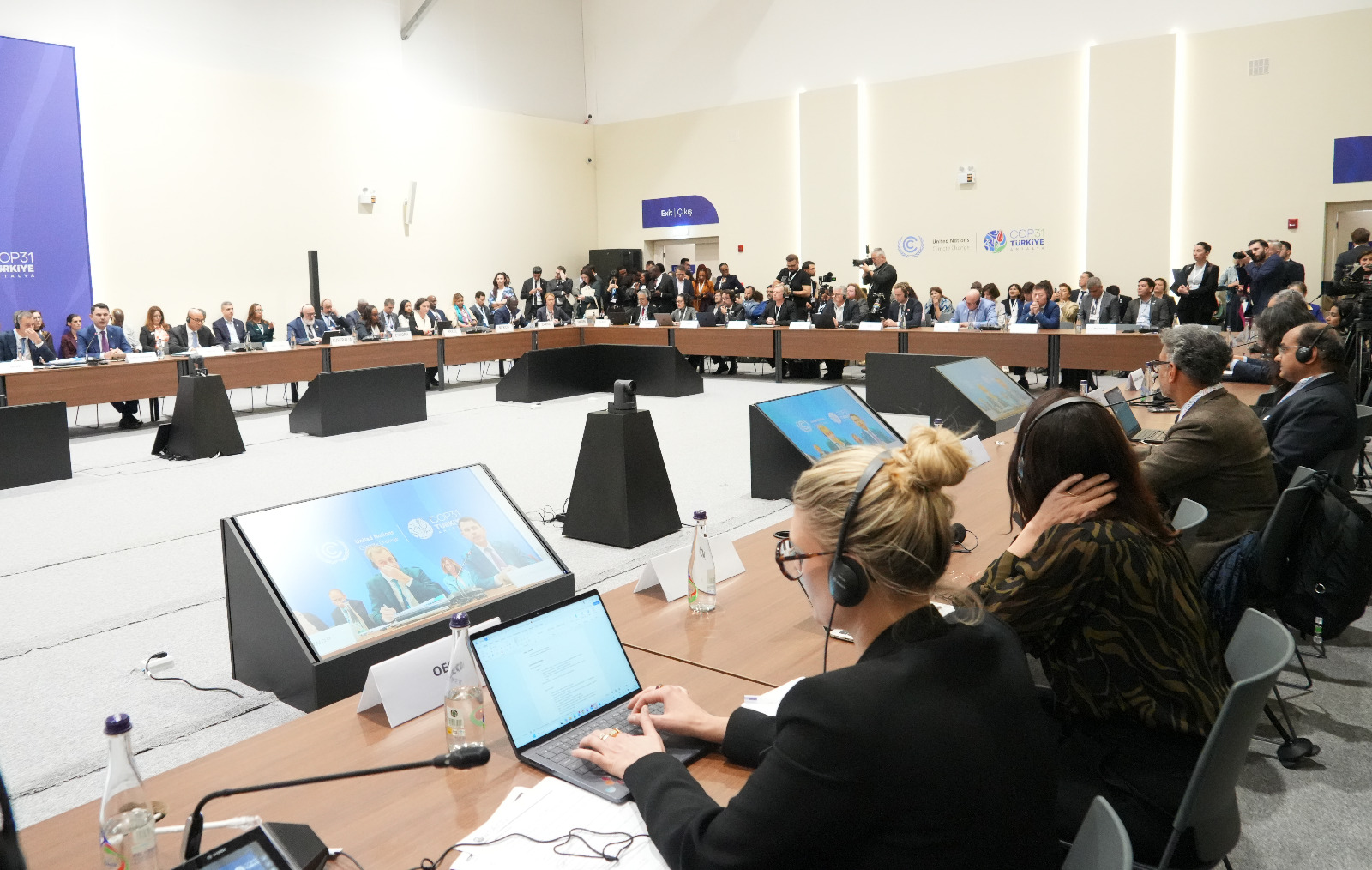
Environment Minister and Head of the Environmental Control Agency (KLH/BPLH) Moh Jumhur Hidayat conveyed Indonesia’s support during the “Beyond Commitments: Delivering Climate Action at Scale” forum at the 31st United Nations Climate Change Conference (COP31) in Antalya, Türkiye, on Nov. 13, 2026.
Jumhur said BRIDGE should be country-driven, strengthen national capacities and make better use of existing financing arrangements rather than establish a new funding mechanism.
Indonesia is among the first five pilot countries participating in the initiative, alongside Ethiopia, Fiji, Pakistan and Uzbekistan. The initial group is expected to serve as a model before BRIDGE expands to other developing countries through 2035.
“Indonesia welcomes the COP31 Presidency’s initiative to strengthen the links between climate action, development priorities and implementation financing,” Jumhur said.
Second NDC Sets Roadmap, Financing Remains Key
Indonesia has established its climate implementation priorities through its Second Nationally Determined Contribution (Second NDC), submitted to the Secretariat of the United Nations Framework Convention on Climate Change (UNFCCC) in October 2025.
The document outlines national implementation priorities for 2031–2035 under the Low Carbon Compatible with the Paris Agreement (LCCP) scenario, which is aligned with the 1.5-degree Celsius target.
Indonesia estimates that achieving its mitigation targets will require approximately US$472.6 billion in investment across four sectors: energy, agriculture, forestry and other land use (FOLU), and waste management.
Given the scale of the funding requirement, Indonesia wants BRIDGE to connect and integrate existing financing sources, including multilateral development banks, development finance institutions and private investors.
“We hope BRIDGE will provide added value while remaining responsive to country needs, strengthening capacity-building and networks, and ensuring that each country can determine its own priorities for mitigation, adaptation and climate resilience,” Jumhur said.
Turning National Priorities into Projects
To ensure BRIDGE delivers measurable results, Indonesia has proposed three key elements: clear governance arrangements, a mechanism for setting priorities and key performance indicators.
The Indonesian delegation is ready to continue technical discussions with the COP31 Presidency and its partners to translate Second NDC priorities into concrete projects that are ready for financing.
Through its participation, KLH/BPLH said Indonesia aims to ensure that global climate finance reflects each country’s sovereignty and practical needs while supporting environmental sustainability for future generations. (*)