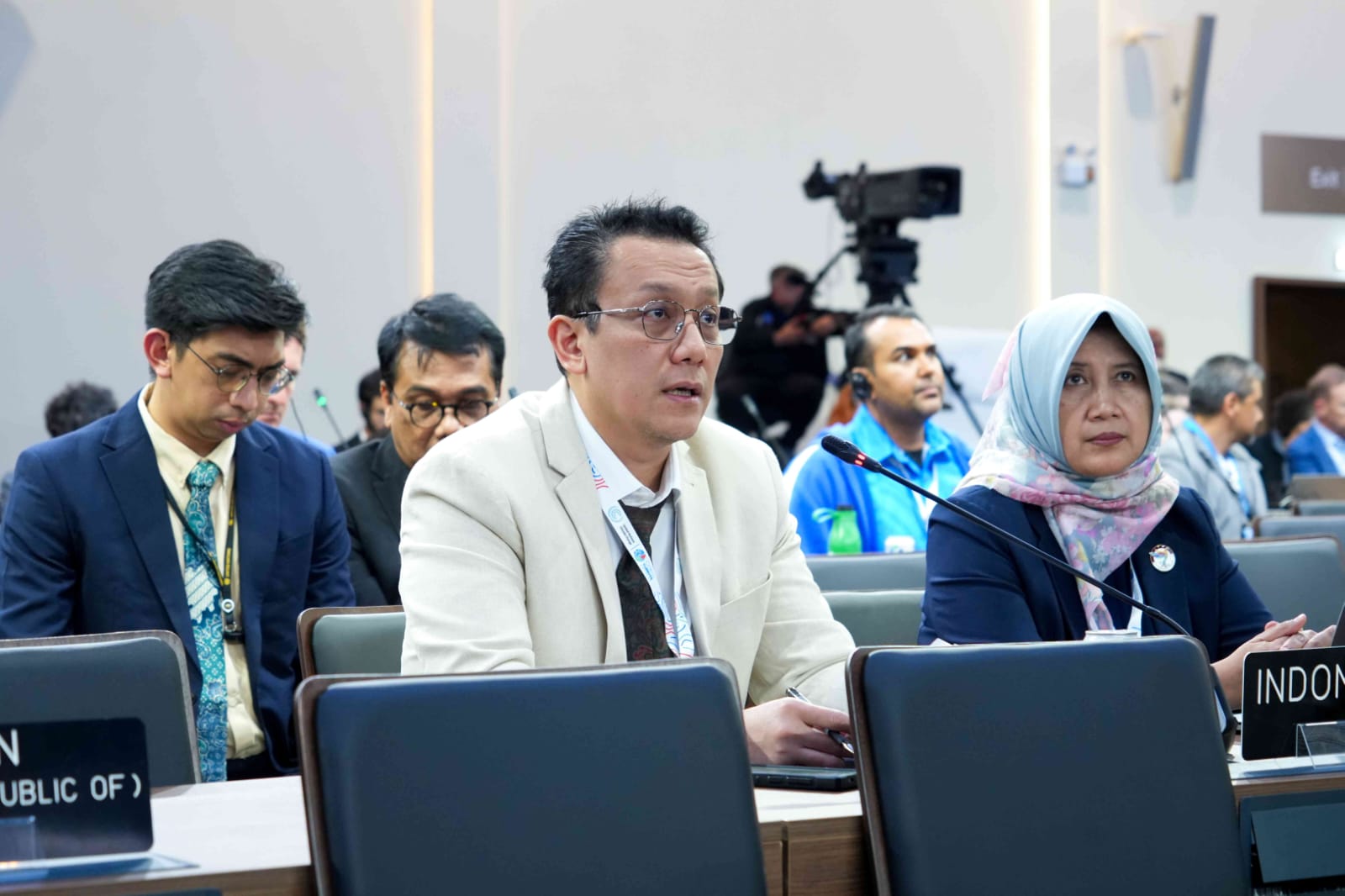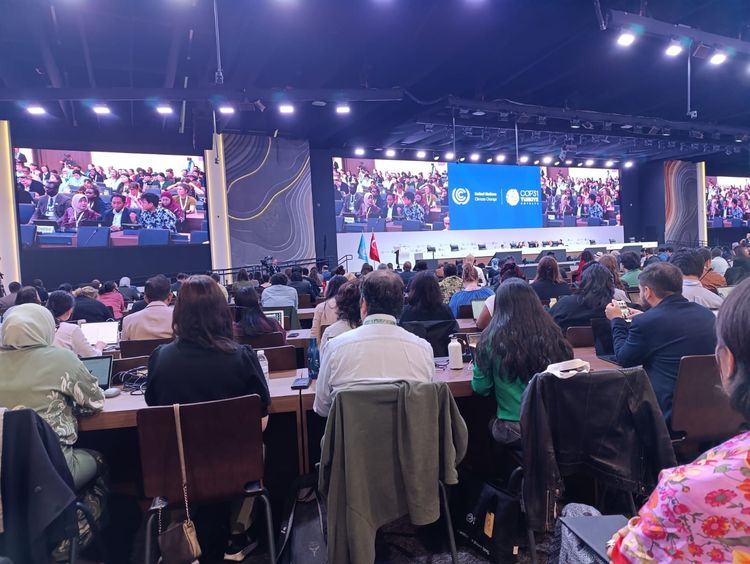
Enviro News Asia, Antalya — Indonesia is pushing for stronger international cooperation on climate change mitigation and a fair transition to a low-carbon economy as negotiations continue at the 31st United Nations Climate Change Conference (COP31) in Antalya, Türkiye.
The country is pursuing its agenda through two negotiation tracks: the Sharm el-Sheikh Mitigation Ambition and Implementation Work Programme (MWP) and the United Arab Emirates Just Transition Work Programme (UAE JTWP).
Indonesia is calling for continued mitigation efforts focused on implementation, the development of a just transition mechanism and stronger financial, technological and capacity-building support for developing countries.
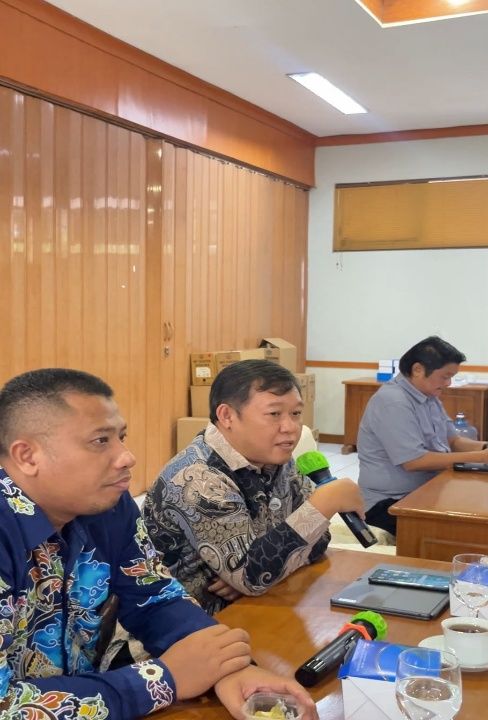
For the Ministry of Forestry, the negotiations are important to securing international support for Indonesia’s climate commitments through the forestry sector while ensuring that climate action benefits local communities and aligns with national development priorities.
Under the MWP, Indonesia is pushing for the programme to continue beyond 2026 to help countries accelerate the implementation of their Nationally Determined Contributions (NDCs). The duration and arrangements for extending the programme remain under discussion at COP31.
Indonesia maintains that the programme should retain its facilitative, non-prescriptive and non-punitive character. It should respect national sovereignty and circumstances, recognize that NDCs are determined by individual countries and avoid imposing additional targets.
The government also argues that countries need adequate support to turn mitigation commitments into action. International cooperation should help developing countries address gaps in financing, technology and institutional capacity rather than limit discussions to technical exchanges and policy commitments.
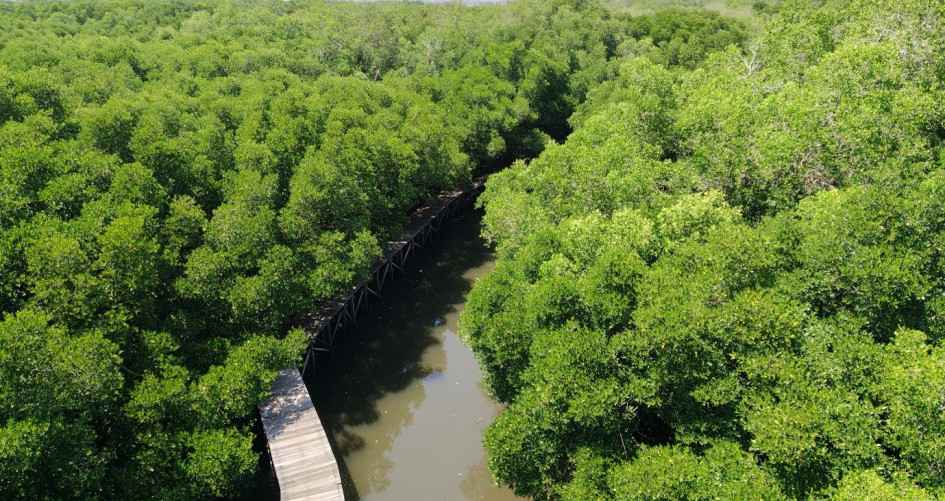
For the forestry sector, such support could strengthen forest protection, ecosystem rehabilitation and restoration, sustainable forest management, and efforts to prevent forest and land fires. These measures form part of Indonesia’s efforts to achieve its FOLU Net Sink 2030 target.
Meanwhile, discussions under the UAE JTWP focus on developing and putting into operation a just transition mechanism mandated at COP30. The proposed mechanism is expected to facilitate international cooperation, technical assistance, capacity building and knowledge-sharing to support a fair and inclusive transition.
Indonesia argues that countries should determine their own transition pathways based on their national circumstances, capabilities and development priorities. The process must also support sustainable development, reduce poverty and protect communities affected by economic restructuring and climate policies.
Negotiators are still discussing the mechanism’s institutional structure and operational arrangements. Indonesia wants policy and governance functions to be closely connected with practical support, particularly access to financing, technology and capacity development.
The country has also raised concerns about international barriers that could complicate a just transition, including the potential effects of unilateral climate-related trade measures on compliance costs, market access and the competitiveness of developing economies.
Indonesia says the transition must extend beyond the energy sector to include industry, forestry, agriculture and the livelihoods of coastal communities. Indigenous Peoples, local communities, workers, including those in the informal sector, and other vulnerable groups must also have a meaningful role in the process.
Measures such as decent employment opportunities, skills development and social protection are essential to ensuring that the transition does not leave vulnerable groups behind.
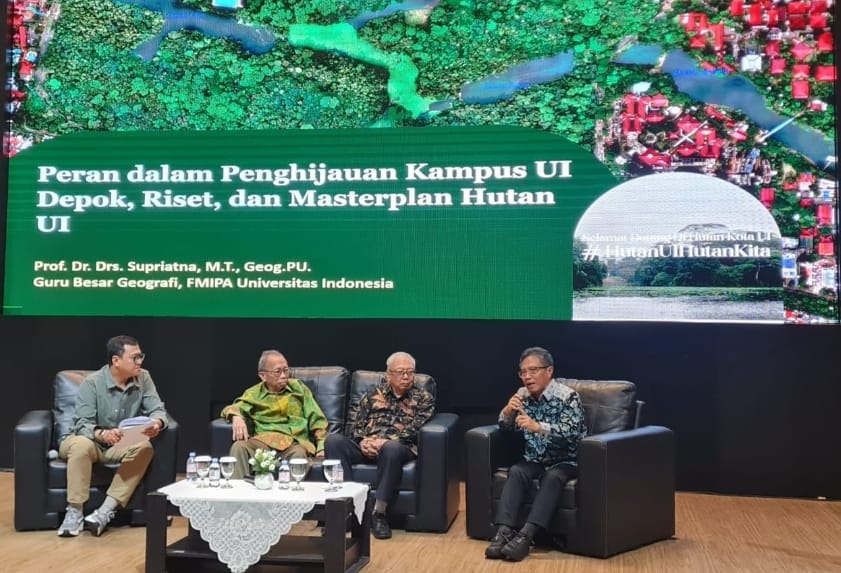
In the forestry sector, the Ministry of Forestry sees Social Forestry, customary forest management, agroforestry and the sustainable use of non-timber forest products as important ways to connect environmental protection with local economic opportunities.
The development of sustainable forest-based businesses can help communities diversify their sources of income while maintaining the ecological functions of forests.
Indonesia maintains that climate action should deliver measurable results, including lower emissions, protected ecosystems and improved community welfare. Achieving these outcomes, it says, requires stronger global ambition backed by adequate support, fair international cooperation and meaningful public participation. (*)