
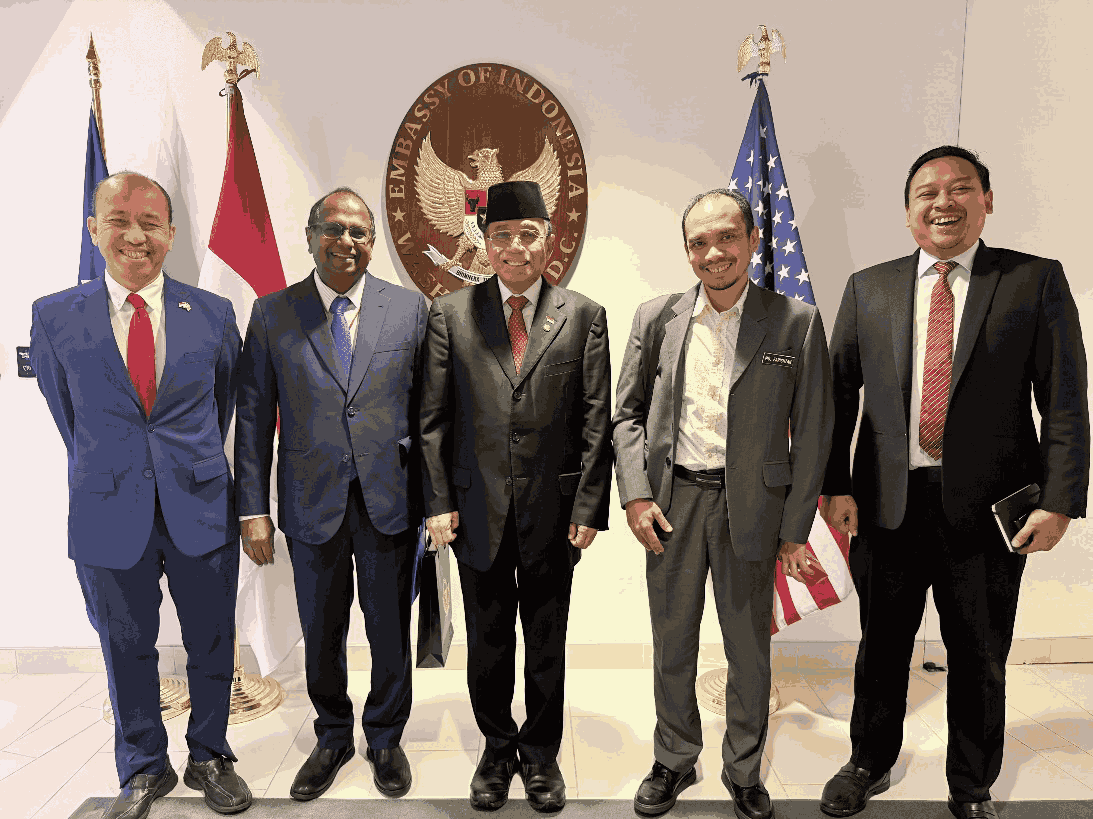
Enviro News Asia, Washington, D.C. — Indonesia and the World Bank are exploring ways to channel development financing into higher-value industries, expand business opportunities and create better jobs as part of the country’s efforts to achieve its Golden Indonesia 2045 vision.
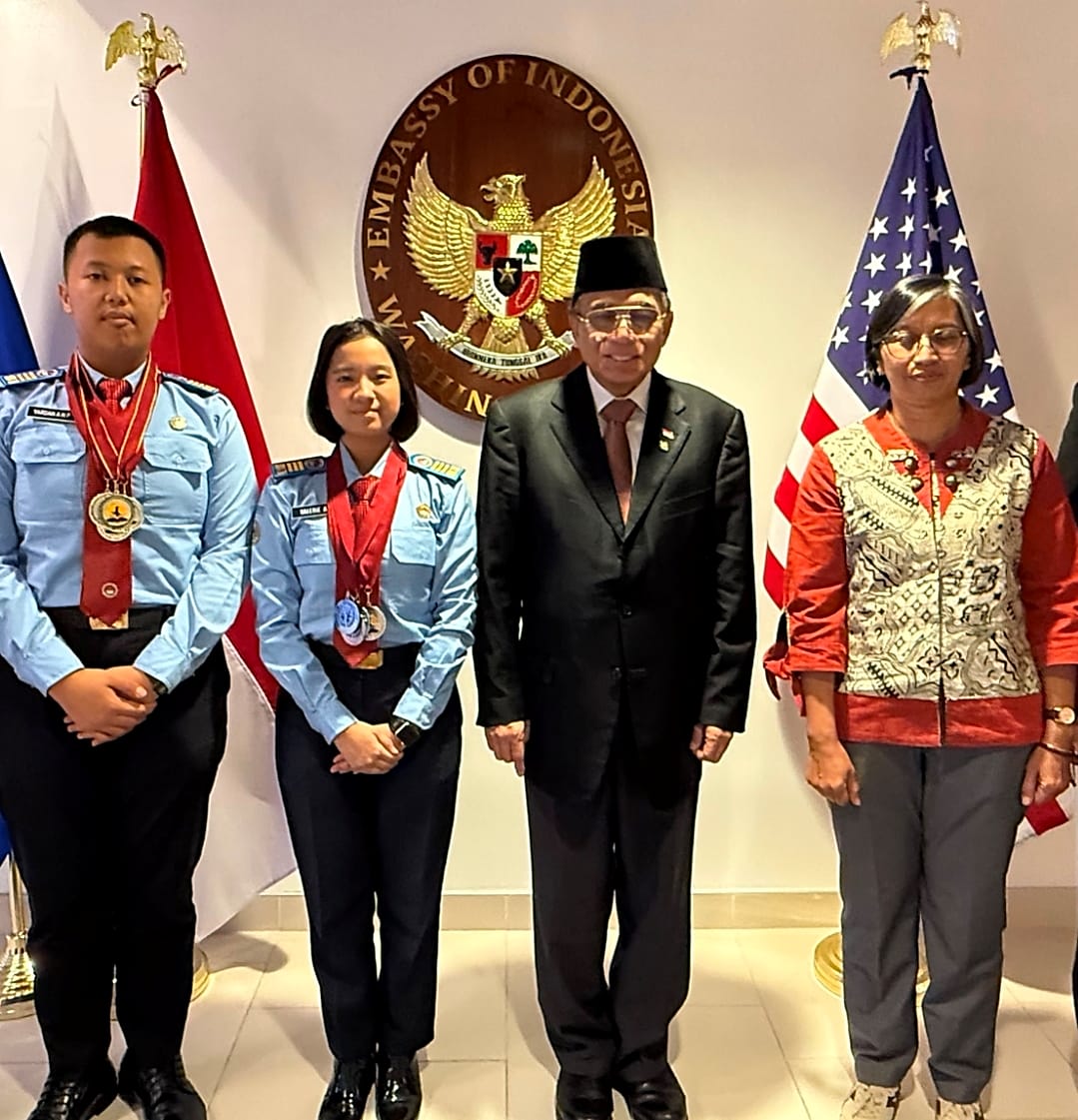
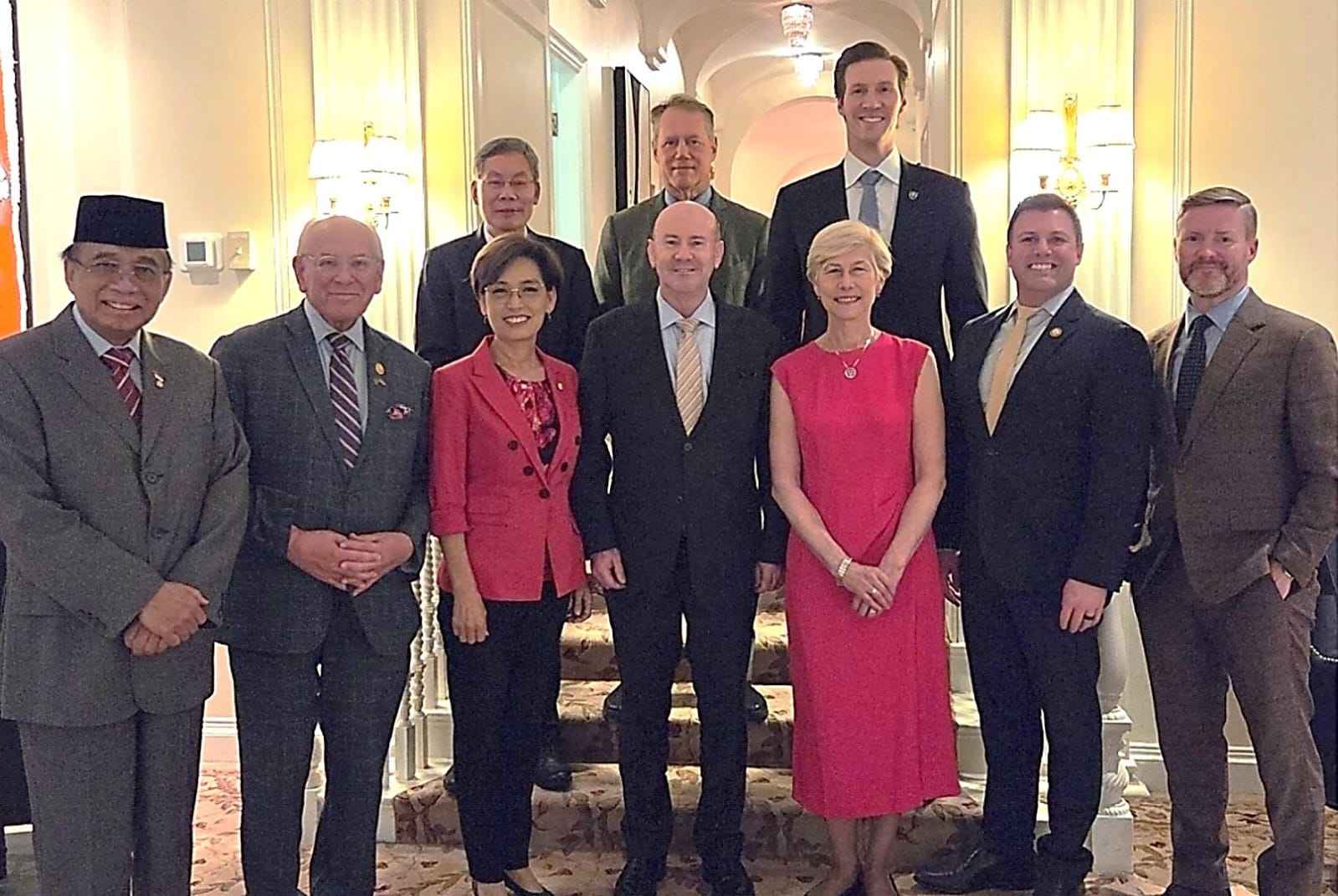
The issue was discussed during a meeting between Indonesian Ambassador to the United States Indroyono Soesilo and World Bank Executive Director for Constituency EDS16 Dato John Patrick Antonysamy in Washington, D.C., on November 23, 2026.
The discussion focused on how development financing could stimulate industrial growth, strengthen domestic businesses and improve public welfare. Antonysamy, who recently assumed his position, represents and oversees matters at the institution’s board level rather than directly managing individual projects.
The World Bank Group comprises five institutions with complementary mandates. The International Bank for Reconstruction and Development (IBRD) provides loans and policy support to governments, while the International Finance Corporation (IFC) promotes private-sector investment through financing, capital mobilisation and advisory services. The Multilateral Investment Guarantee Agency (MIGA) provides political risk insurance to help attract investment.
The other two institutions are the International Development Association (IDA), which provides concessional financing and grants to the world’s poorest countries, and the International Centre for Settlement of Investment Disputes (ICSID), which facilitates the resolution of international investment disputes.
Indonesia’s cooperation with the World Bank is guided by the 2026–2030 Country Partnership Framework, titled “Partnering for Better Jobs on the Road to Golden Indonesia 2045”. The framework is aligned with the National Long-Term Development Plan (RPJPN) 2025–2045 and the National Medium-Term Development Plan (RPJMN) 2025–2029.
Its priorities include improving job quality, encouraging investment, developing human capital and infrastructure, and strengthening natural resource management.
Data from the National Development Planning Agency (Bappenas) in May 2026 showed that the World Bank had 31 projects in Indonesia, backed by total loans of US$9.42 billion. The projects cover areas including the blue economy, coral reef conservation, innovative financing, healthcare, pharmaceuticals, pharmaceutical raw materials, energy, connectivity and private investment.
These initiatives are expected to contribute to employment opportunities across different sectors.
Seaweed development was among the opportunities highlighted during the meeting. Indroyono and Antonysamy discussed the potential to expand the industry beyond cultivation towards higher-value processing, which could produce around 350 end products, including processed food, shampoo, ice cream, toothpaste and cosmetics.
The approach aims to retain more economic value in Indonesia by strengthening domestic processing industries rather than focusing solely on increasing cultivation. It could also connect seaweed farmers with manufacturers, skilled workers and markets through an integrated business chain.
The meeting also discussed plans for a workshop during the World Bank’s Spring Meetings in Washington, D.C., in April 2027. The proposed event would address coral reef conservation and its links to fisheries and Indonesia’s food security.
The discussions underscored the importance of measuring development partnerships through their benefits for communities, including better employment, stronger businesses and environmental protection.
By connecting international development financing with domestic industrial opportunities, Indonesia aims to broaden the economic benefits of investment while supporting more sustainable growth on its path towards Golden Indonesia 2045. (*)