
Enviro News Asia, Jakarta — The 49th ASEAN Summit marked a significant shift in the region’s approach to energy security, moving beyond ensuring reliable energy supplies towards building an integrated, resilient and competitive clean energy economy.
The signing of a memorandum of understanding (MoU) on the Enhanced ASEAN Power Grid by all 11 ASEAN member states established a stronger framework for regional electricity interconnection and cross-border clean power trading.
The summit also adopted the ASEAN Declaration on Critical Minerals for Regional Resilience and Sustainable Growth, reflecting the bloc’s ambition to move beyond raw material exports and develop higher-value industries. Another declaration on strategic trade management underscored the importance of building regional supply chains that are resilient, transparent and secure.
However, stronger policy frameworks and political commitments alone will not guarantee investment, infrastructure development or industrial growth in the clean energy sector. The real challenge, according to the Institute for Essential Services Reform (IESR), lies in implementation.
ASEAN must now prioritise financially viable cross-border electricity projects and secure their financing, develop integrated critical mineral value chains, and formulate a regional clean energy industrial strategy to attract investment and strengthen manufacturing competitiveness.
These priorities form the core of the Southeast Asia Energy Transformation Initiative (SEA-ETI), proposed by the Southeast Asia Energy Transition Collaborative Network (SETC).
ASEAN has made progress in establishing policy frameworks and setting a common direction. The next step is to connect these elements by integrating clean electricity, critical minerals and manufacturing into a coherent regional economic strategy.
Whether ASEAN can translate its energy transition ambitions into stronger energy security, increased investment and greater economic value for the region will depend on how effectively its member states deliver on these commitments.
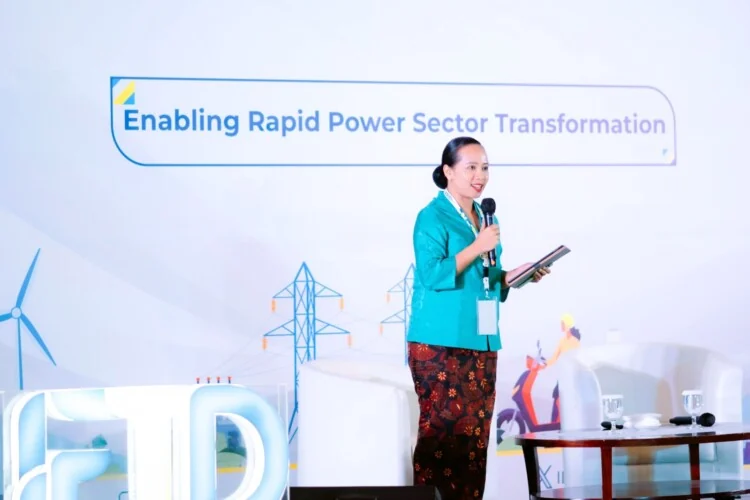
Marlistya Citraningrum, IESR’s director of communications and outreach, issued the statement on behalf of SETC. (*)