
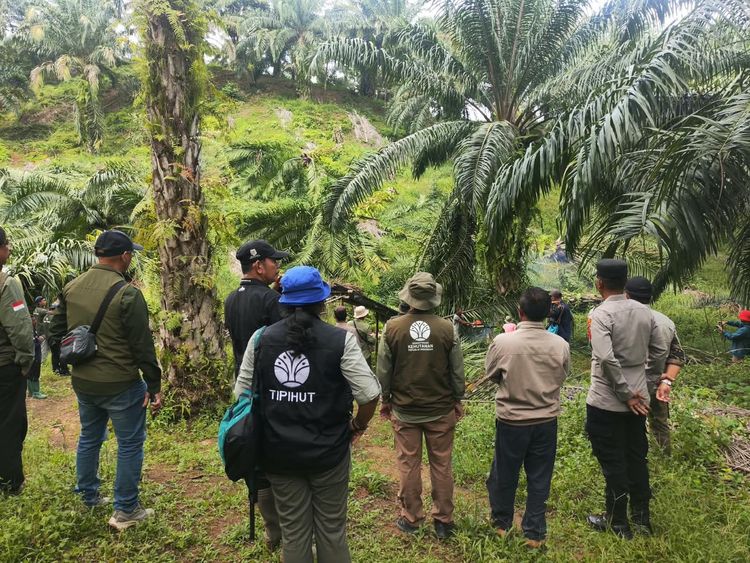
Enviro News Asia, Jakarta — Indonesia’s Ministry of Forestry, working with the Forest Area Enforcement Task Force (Satgas PKH), has launched another operation to remove illegally planted oil palms inside Gunung Leuser National Park in an effort to restore the protected ecosystem.
The operation targets 688.91 hectares spread across four ranger posts: Lawe Malum, Lawe Mamas, Lawe Alas and Muara Situlen, within Section IV Badar and Management Area II Kutacane of the national park.
The operation involves the Gunung Leuser National Park Agency and the Directorate General of Forestry Law Enforcement, supported by six excavators and 31 chainsaws. Despite difficult terrain, long travel distances and technical challenges, the teams have continued clearing the illegal plantations.
The operation brings together the Ministry of Forestry under the Satgas PKH framework, the Indonesian Military, National Police, prosecutors, local governments, Forest Ranger Partner Communities and residents.
Director General of Forestry Law Enforcement Dwi Januanto Nugroho said the operation was part of efforts to strengthen legal certainty and restore the ecological functions of protected forest areas.
He stressed that effective forest protection required stronger state capacity, including early detection and preventive measures. Strengthening the Forest Ranger force, he added, was essential to ensuring that forest areas received adequate protection based on their characteristics and levels of vulnerability.
The operation also encountered social tensions, with some residents voicing objections at the work sites and at the office of Management Area II Kutacane. Authorities said they used dialogue and a persuasive approach to resolve the situation, resulting in a peaceful meeting and a joint agreement.
Several residents subsequently returned the areas they had occupied to the state. Under the agreement, the removal of oil palms was prioritised in areas that had been voluntarily handed back.
Meanwhile, forestry law enforcement officials and police are following up on cases involving parties that have not returned the land. Those concerned are being summoned to provide information through formal statements in accordance with applicable laws.
The cleared areas are intended for ecological restoration of Gunung Leuser’s tropical rainforest. The programme will involve planting native species and other vegetation suited to the area’s ecological conditions, with local communities encouraged to participate in restoration and efforts to prevent further encroachment.
Gunung Leuser National Park Agency head Subhan said the agency would increase patrols, public outreach and cooperation with stakeholders to strengthen protection on the ground.
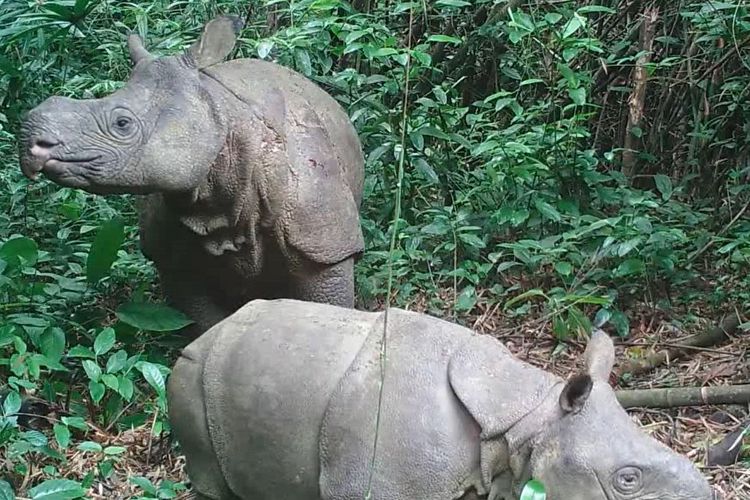
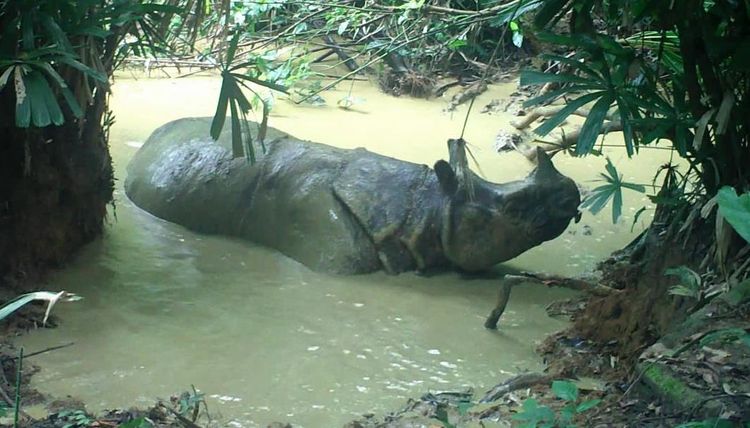
He welcomed residents who had returned occupied land to the state and called for continued community participation in ecosystem recovery. He also highlighted the park’s importance as a habitat for endangered species, including Sumatran orangutans, Sumatran tigers and Sumatran rhinos, as well as a vital source of support for surrounding communities.
Gunung Leuser National Park forms part of the Tropical Rainforest Heritage of Sumatra, which UNESCO designated a World Heritage Site in 2004. The area supports globally significant biodiversity and plays a major role in regulating water systems, storing carbon, preventing soil erosion and reducing the risk of floods and landslides.
The conversion of forest into illegal plantations threatens these ecological functions, reduces wildlife habitat and can increase the risk of human-wildlife conflict.
The Ministry of Forestry said it would continue combining law enforcement, ecosystem restoration, stronger forest protection and community involvement to safeguard Leuser as a national asset and a natural heritage site of global importance. (*)