Enviro News Asia, Yogyakarta – The ecosystem of Paliyan Wildlife Sanctuary in Gunung Kidul Regency has been successfully restored from the degradation it suffered following the 1998 reform era.
This success is reflected in the rich biodiversity now found within the sanctuary.
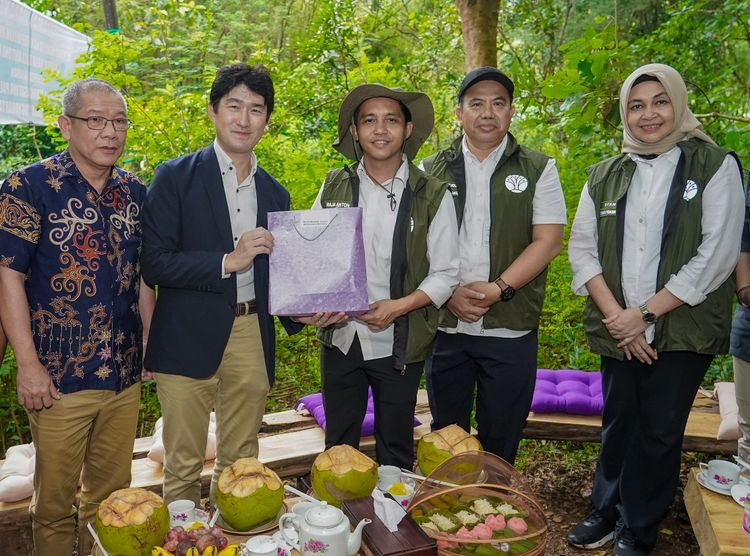
Minister of Forestry, Raja Juli Antoni, inspected the condition of Paliyan Wildlife Sanctuary (SM Paliyan) during his visit to Yogyakarta on Tuesday (May 6, 2025).
The area, once barren due to illegal logging, has now begun to recover ecologically.
A 2024 flora and fauna survey revealed a diverse range of biodiversity in SM Paliyan, including 5 species of mammals, 13 species of herpetofauna, 19 species of dragonflies, and 65 species of butterflies.
Birds, which serve as key indicator species reflecting the success of habitat rehabilitation, have shown a significant increase in diversity.
When ecosystem restoration first began in 2006, only 20 bird species were recorded; today, that number has risen to 41, including 5 protected species.
The restoration of SM Paliyan’s ecosystem is linked to the forest degradation that occurred post-1998 reform. In 2000, the Paliyan forest area was designated a wildlife sanctuary.
Restoration efforts started in 2002–2003 through the National Movement for Forest and Land Rehabilitation (GNRHL), inaugurated by President Megawati at plots 137 and 138. From 2005 to 2016, ecosystem restoration continued in collaboration with Mitsui Sumitomo Insurance Group (MSIG), focusing on planting MPTS (Multipurpose Tree Species)—trees that provide economic, social, and ecological benefits.
The goal was to reforest the area, provide animal fodder, and empower local communities.
A new phase of ecosystem restoration was later undertaken by planting native karst species, based on research by a lecturer from the Faculty of Forestry at Gadjah Mada University.
In 2015, demonstration plots were established in SM Paliyan featuring native karst species such as bendo, preh, lo, mojo, and timoho.
Currently, four buffer villages surround SM Paliyan: Karangasem, Karangduwet, Kepek, and Jetis.
Community empowerment activities include seedling nurseries, planting, maintenance, group development and mentoring, as well as literacy school programs.
Present community empowerment initiatives involve the cultivation of horticultural crops, agriculture, and forestry in the villages of Karangasem, Karangduwet, and Jetis.
To support these efforts, the Ministry of Forestry through the Yogyakarta Natural Resources Conservation Agency (KSDA) has provided assistance in the form of bore wells, seedling houses, tools, and group facilitation.
Forestry cultivation in the buffer zones around SM Paliyan focuses on MPTS species such as sengon and native karst trees. Through cooperation with MSIG, native karst trees are purchased and planted within SM Paliyan. These cultivation efforts have proven successful in boosting the local economy.
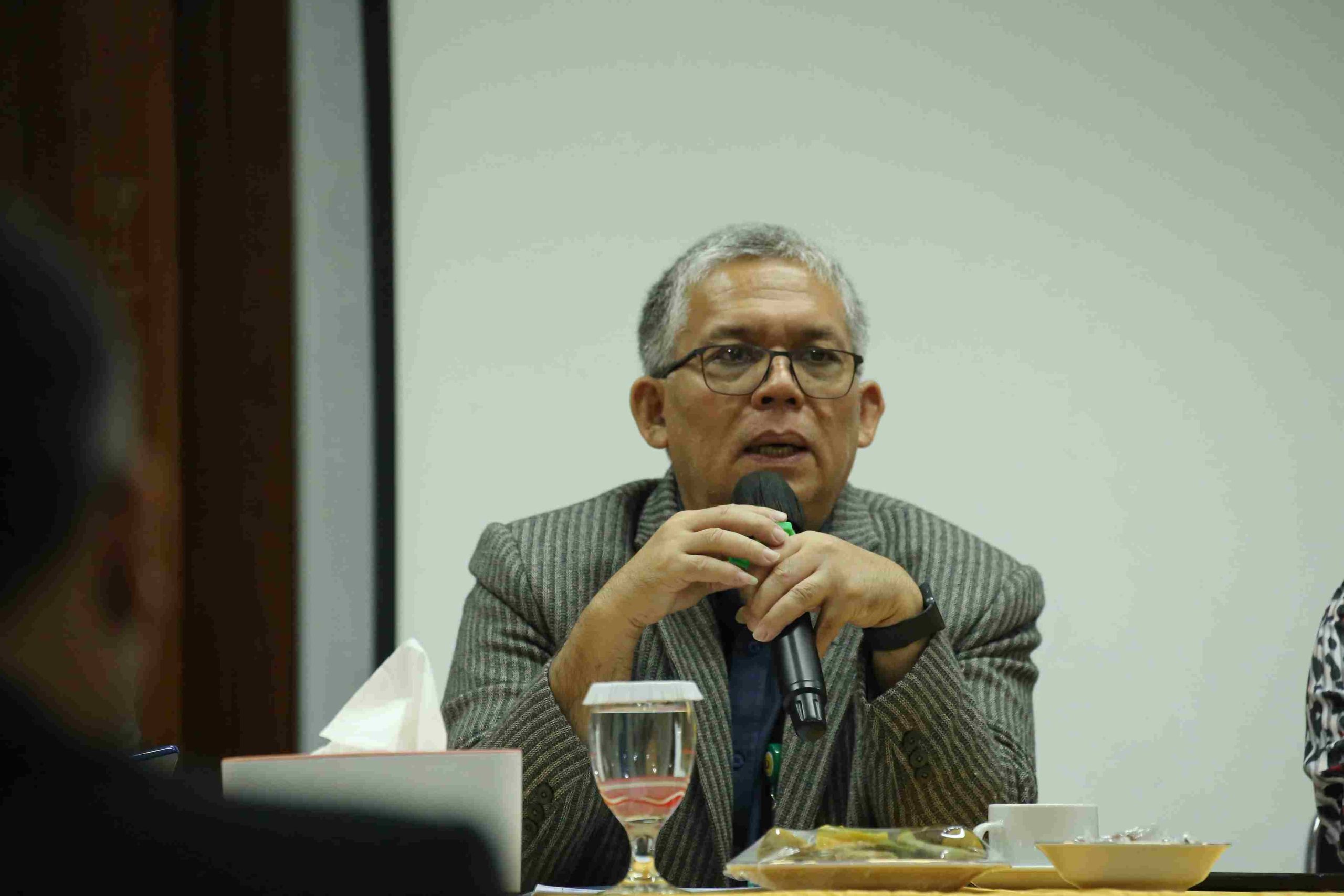
The collaboration between the Yogyakarta KSDA Center, MSIG, and surrounding communities has earned praise from Minister of Forestry Raja Juli Antoni.
“I appreciate the cooperation model established between Sumitomo, the community, and KSDA in managing the area, as the results are already evident,” said the Minister during a community dialogue at SM Paliyan.