Enviro News Asia, Jakarta — Indonesia’s Ministry of Environment and Environmental Control Agency formally declared a national waste emergency, urging regional legislative councils to strengthen budget allocations and oversight to address the country’s worsening waste management crisis.
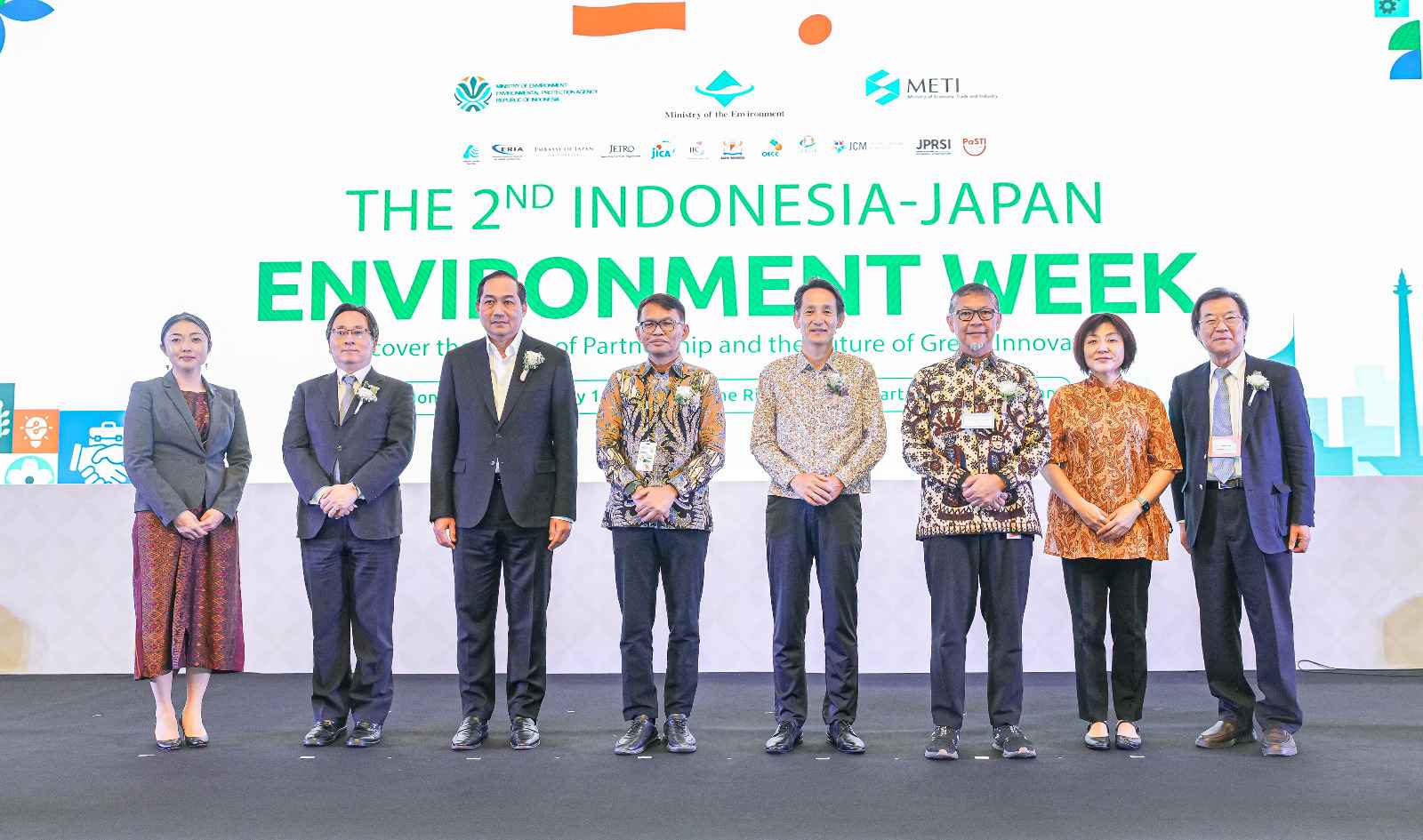
The declaration was delivered by Environment Minister and Head of the Environmental Control Agency, Hanif Faisol Nurofiq, during a National Coordination Meeting on Environmental Policy attended by regency-level legislative councils (DPRD) from across Indonesia. The forum aimed to align central and regional policies and reposition waste management as a core public service priority.
The minister said many local governments remain unable to cope with daily waste generation, which has reached 143,824 tonnes nationwide. Official data show that only about 24 percent of total waste is currently managed properly, far below targets set under the 2025–2029 National Medium-Term Development Plan.
The government has set a target of managing 51.61 percent of waste by the mid-term phase and achieving full waste management coverage by 2029 through circular economy and zero-waste approaches.
“Our national target is clear: 100 percent of waste must be managed by 2029. The current figure of 24 percent is a red flag,” Hanif said. He stressed that waste management responsibility cannot rest solely with the central government and called for stronger political commitment from regional administrations and local parliaments.
The policy push is supported by Presidential Regulation No. 12 of 2025 on the National Medium-Term Development Plan, which defines waste management as a constitutional obligation of the state. The minister also cited Law No. 18 of 2008 on Waste Management, which grants regional governments authority to develop local innovations and regulations.
Hanif urged DPRD members to strengthen local regulations, increase budget allocations, and tighten oversight of zero-waste policy implementation at the community level.
Responding to the call, Chairman of the Association of Regency Legislative Councils of Indonesia, Siswanto, acknowledged structural challenges faced by local governments. He admitted that environmental issues, particularly waste management, have often ranked lower than physical infrastructure in regional budgets.
“This meeting marks a turning point,” Siswanto said. “We are committed to repositioning environmental spending and strengthening legislative and oversight functions so waste can be managed as an economic resource, not merely a budgetary burden.”
The ministry emphasized that Indonesia’s transition toward zero waste depends on the integration of technology, adequate local funding, and community participation. Effective waste management, it said, represents a long-term investment in public health and environmental resilience, with implementation success hinging on strong coordination between regional executives and legislative bodies. (*)