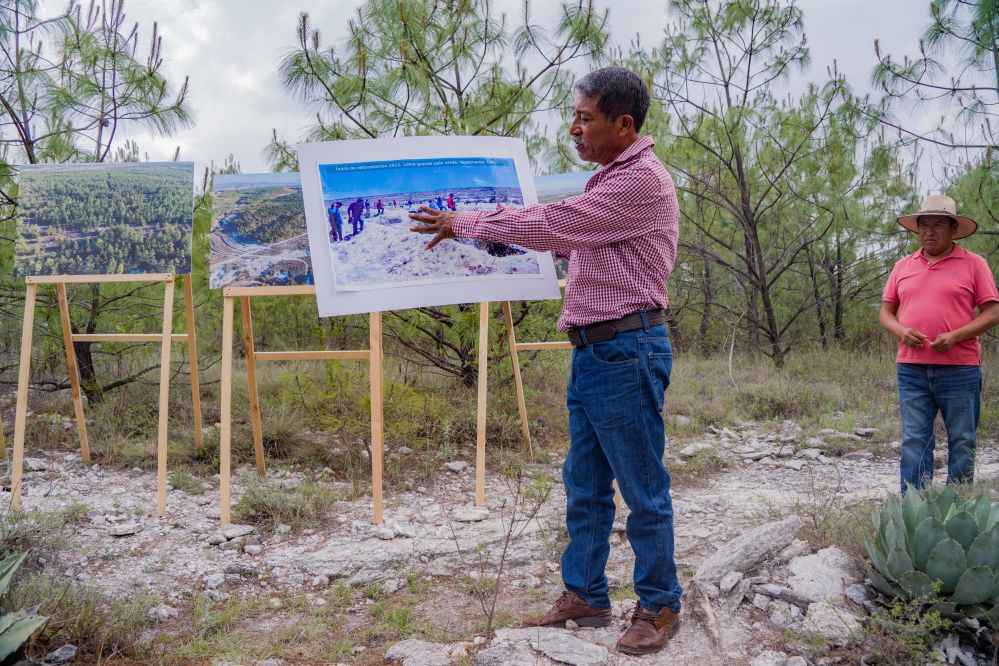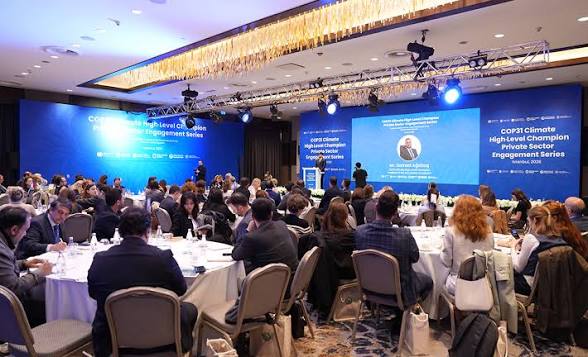
Enviro News Asia, Paris —Action for Climate Empowerment (ACE) continues to strengthen global climate education by placing young people at the center of policy co-creation and implementation, in line with the International Day of Education marked on 24 January 2026. The initiative supports inclusive climate action by empowering individuals to transform systems, attitudes, and behaviors toward sustainable development.
ACE operates through six core elements that encourage broad public participation in climate action, with youth increasingly recognized as key drivers of effective and forward-looking climate education. Their involvement aligns with the 2026 International Day of Education theme, which highlights inclusive and participatory approaches to learning.
The importance of youth engagement in climate policymaking was emphasized by UNFCCC Deputy Executive Secretary Noura Hamladji following the Youth-led Climate Forum Headline Event at COP30. She stressed that climate policy becomes effective only when all generations contribute meaningfully to its design and execution.
Youth Climate Champions under the COP29 and COP30 Presidencies played a central role in advancing youth-led climate education initiatives. COP30 Presidency Youth Climate Champion Marcele Oliveira supported activities that positioned young people as co-creators of climate education policy, including the “Mutirão for Strengthening Collective Action through Environmental and Climate Education” event held during COP30.
Meanwhile, COP29 Presidency Youth Climate Champion Leyla Hasanova organized the second Climate Change Summer Camp in August 2025. The program strengthened the capacity of early-career teachers to integrate climate education into school curricula and influence education systems at the local level. Participants reported that the initiative helped translate climate literacy into classroom practices with broader community impacts.
Additional capacity-building initiatives, such as Youth4Capacity’s Becoming Series, expanded opportunities for youth to act as climate educators within their communities. These efforts included webinars that introduced practical toolkits to support climate education and community engagement.
The UNFCCC–UNESCO Webinar Series on Climate Change Education for Social Transformation further explored the role of communities and lifelong learning in advancing climate action. The series prioritized youth participation, addressed challenges such as tokenism, and highlighted the need for genuine spaces for policy co-creation. Youth representation within the Green Education Partnership advisory group reinforced this inclusive approach.
Looking ahead, Parties to the UNFCCC will conduct a midterm review of the Glasgow Work Programme on Action for Climate Empowerment at SB64 in Bonn in June 2026. The review will assess progress, identify gaps, and inform potential improvements to climate education and broader ACE implementation. (*)