Enviro News Asia, Magelang — Ministry of Environment and Environmental Control Agency (KLH/BPLH) reaffirmed its commitment to advancing integrated and impactful environmental management as part of the national development agenda.
Minister of Environment Hanif Faisol Nurofiq emphasized that environmental sustainability is now positioned as a core foundation of economic growth and national competitiveness, aligned with the vision of Indonesia Emas 2045.
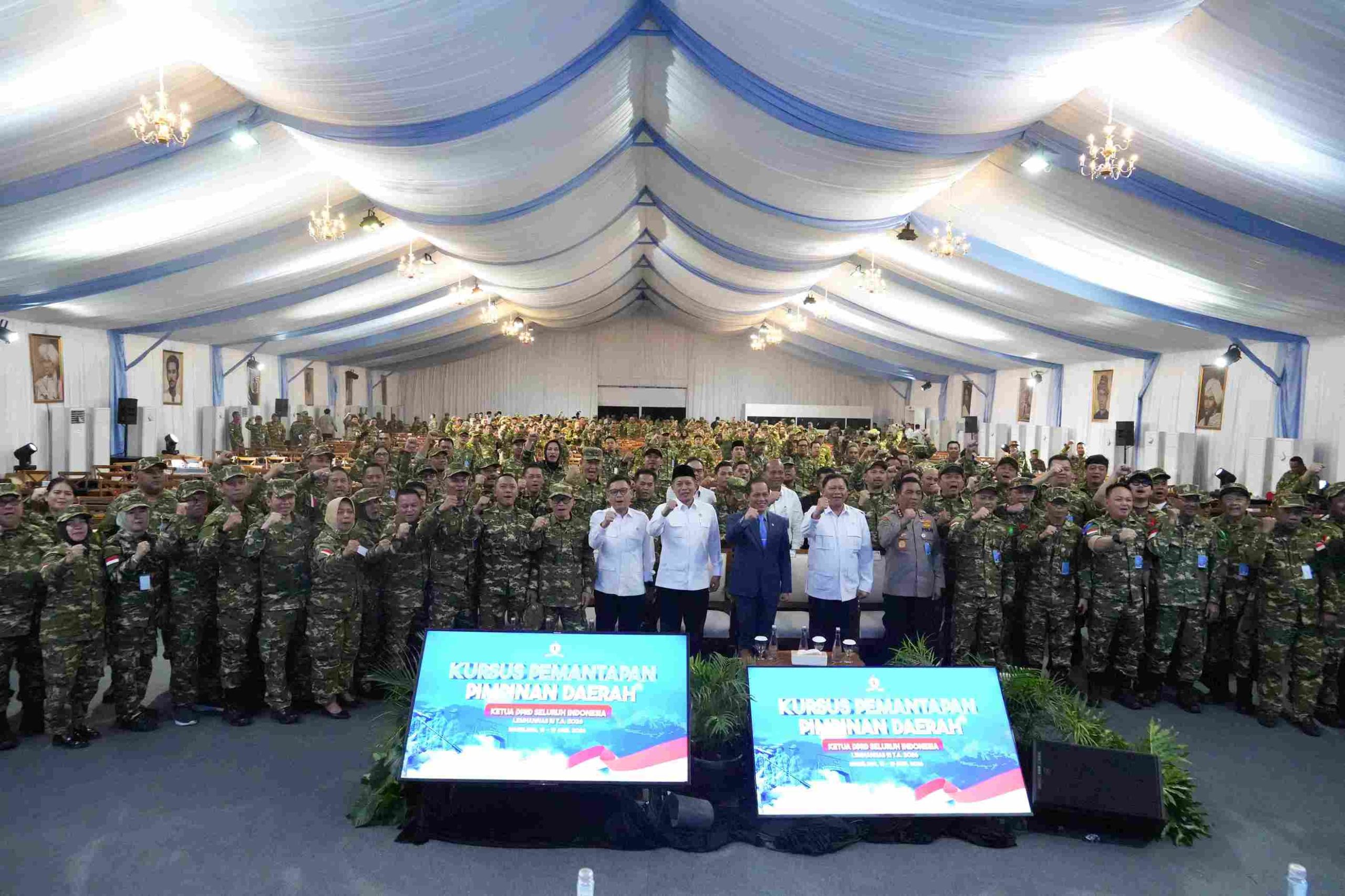
Speaking at the Kursus Pemantapan Pimpinan Daerah (KPPD) for regional legislative leaders, the minister underlined the strategic role of regional parliaments (DPRD) in ensuring the success of waste management transformation.
“Environmental sustainability is a prerequisite for economic growth and improved quality of life,” he stated.
The government targets 63.41 percent of national waste to be properly managed by 2026 and 100 percent by 2029, addressing an annual waste generation of approximately 51.8 million tons.
Key strategies include community-based waste management through household-level waste sorting, strengthening waste banks, optimizing TPS3R facilities, and expanding integrated waste processing sites.
The government is also pushing for the complete elimination of open dumping practices by 2026, alongside increased public education and community participation to drive behavioral change.
In addition, environmental initiatives are expected to support economic growth through circular economy development, carbon trading, green investment, and environmentally friendly infrastructure, contributing to emissions reduction targets.
The minister stressed that DPRD plays a crucial role in ensuring policy support and budget allocation at the regional level, which are essential for sustainable implementation.
Through stronger collaboration between government, communities, and stakeholders, Indonesia aims to build a modern and sustainable waste management system to support long-term development goals. (*)