Enviro News Asia, Jakarta — Badan Riset dan Inovasi Nasional (BRIN) has unveiled an innovative alternative fuel named Petasol, developed from plastic waste through an advanced pyrolysis technology. The breakthrough aims to address two pressing challenges simultaneously: energy security and plastic waste management.
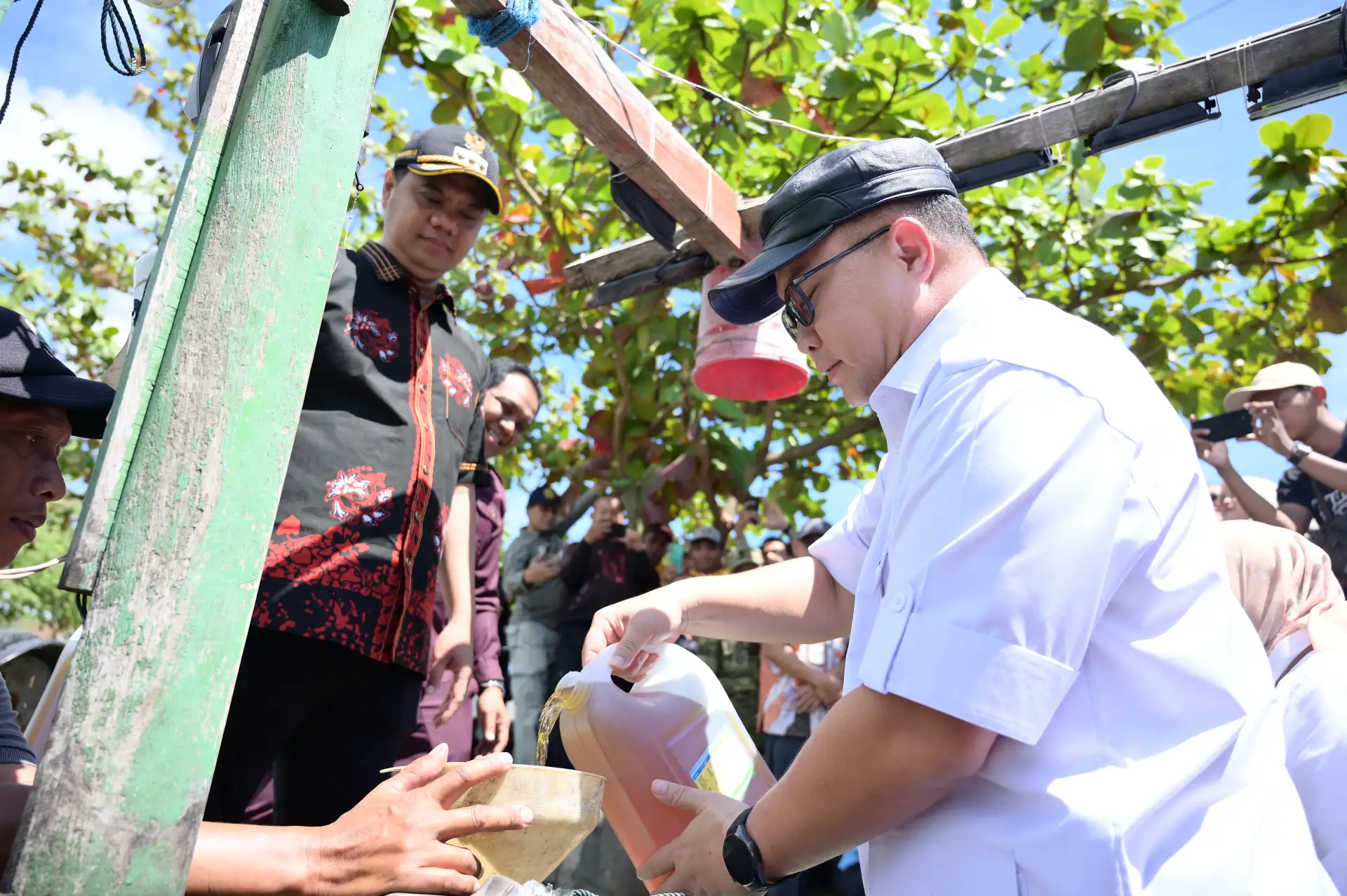
BRIN Head Arif Satria stated that the innovation represents a practical solution to growing environmental and energy concerns. “This breakthrough answers both the energy crisis and the plastic waste problem,” he said during a field test in Bandungharjo Village, Jepara, Central Java.
The fuel is produced using the Fastpol Gen-5 pyrolysis machine, capable of processing various types of plastic waste—including LDPE, HDPE, PP, and PS—even in wet and contaminated conditions. During the trial, Petasol successfully powered a fishing boat engine, demonstrating its direct applicability in the fisheries sector.
According to BRIN, Petasol is specifically designed to utilize non-recyclable plastic waste, converting low-value materials into usable fuel. In addition to its environmental benefits, the fuel has passed laboratory testing and meets standards set by Lemigas, ensuring it is safe for engines.
Senior researcher Tri Martini Patria highlighted that the technology can reduce carbon emissions by up to 79 percent compared to open burning. Economically, the fuel offers a potential profit margin of approximately Rp4,700 per liter.
Beyond industrial use, the technology is also designed for community-scale implementation. A pyrolysis unit with a capacity of 50 kilograms can process plastic waste generated by around 1,000 households, making it a viable solution for decentralized waste management.
BRIN plans to expand the use of Petasol beyond Jepara to other coastal and agricultural regions across Indonesia. To date, similar innovations have already been implemented in approximately 84 districts and cities.
With its dual impact on environmental sustainability and energy diversification, Petasol is expected to play a significant role in advancing community-based waste solutions while supporting Indonesia’s transition toward cleaner energy. (*)