Enviro News Asia, Hanoi – Improved Forages Strengthen Livestock Resilience and Rural Livelihoods in Vietnam’s Highlands,Hanoi, Vietnam – Improved forage cultivation is helping livestock farmers in Vietnam’s Northwest Highlands overcome chronic feed shortages, increase productivity, and strengthen the resilience of rural livelihoods, according to findings highlighted by the Alliance of Bioversity International and CIAT.
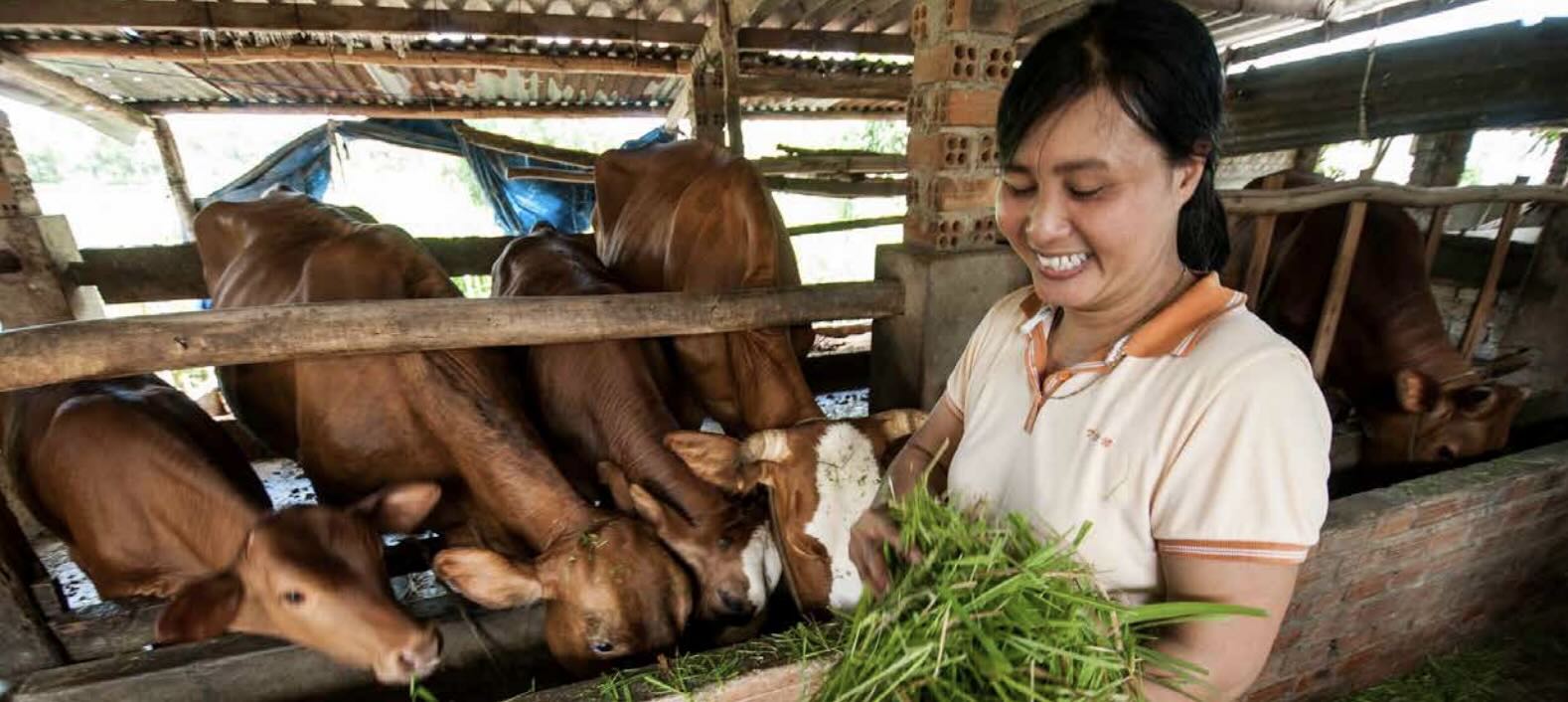
The initiative focuses on supporting smallholder livestock producers in upland areas where cattle, buffalo, and goats play a critical role in household incomes and food security. For years, many farmers in the region have struggled with limited access to quality animal feed, particularly during the dry season when natural grazing resources become scarce.
The Alliance reported that improved forage varieties are providing a practical solution to one of the region’s most persistent agricultural challenges by offering a reliable source of nutritious feed throughout the year.
“In the steep hills of Vietnam’s Northwest Highlands, livestock are far more than animals. They provide food, income and financial security for rural families,” the organization said in its report. “Yet productivity has often been constrained by the lack of sufficient high-quality feed during the dry season.”
The effort builds on two development projects implemented in Son La Province between 2017 and 2024. The projects introduced improved forage species and promoted sustainable livestock management practices among farming communities.
According to the report, researchers and extension specialists worked closely with farmers to identify forage varieties that could perform well under local conditions while improving animal nutrition and reducing pressure on natural grazing lands.
The projects encouraged farmers to test forage cultivation on their own land before expanding adoption. The participatory approach enabled producers to evaluate performance, labor requirements, and economic benefits directly.
“When farmers test forages themselves, they can see the results firsthand and decide what works best for their farms,” the report noted.
Field results showed that farmers who adopted improved forage systems gained access to more dependable feed supplies, particularly during periods when traditional feed resources were limited. The improved availability of feed contributed to healthier livestock and better production outcomes.
The Alliance reported that successful adoption depended not only on introducing new forage species but also on providing training, technical support, and strong partnerships among researchers, local authorities, and farming communities.
“Training and collaboration are essential to ensure farmers can effectively manage forage systems and maximize long-term benefits,” the organization stated.
The initiative also highlighted broader lessons for sustainable livestock development. These include responding to farmers’ priorities, combining technical innovation with local knowledge, strengthening extension services, and creating market systems that encourage long-term adoption.
Project leaders said the work demonstrates how targeted agricultural innovations can improve food security and rural incomes while helping farming communities adapt to changing environmental and economic conditions.
The Alliance emphasized that scaling up successful forage-based livestock systems could support broader efforts to build more resilient agricultural landscapes across Vietnam and other parts of Southeast Asia where livestock producers face similar feed constraints. (*)