Enviro News Asia, Madiun — Indonesia’s Vice Minister of Forestry, Rohmat Marzuki, has called for a shift in focus for the country’s social forestry program, emphasizing that the priority should now be improving management quality and transforming social forestry into a key driver of economic growth in forest villages while maintaining ecological sustainability.
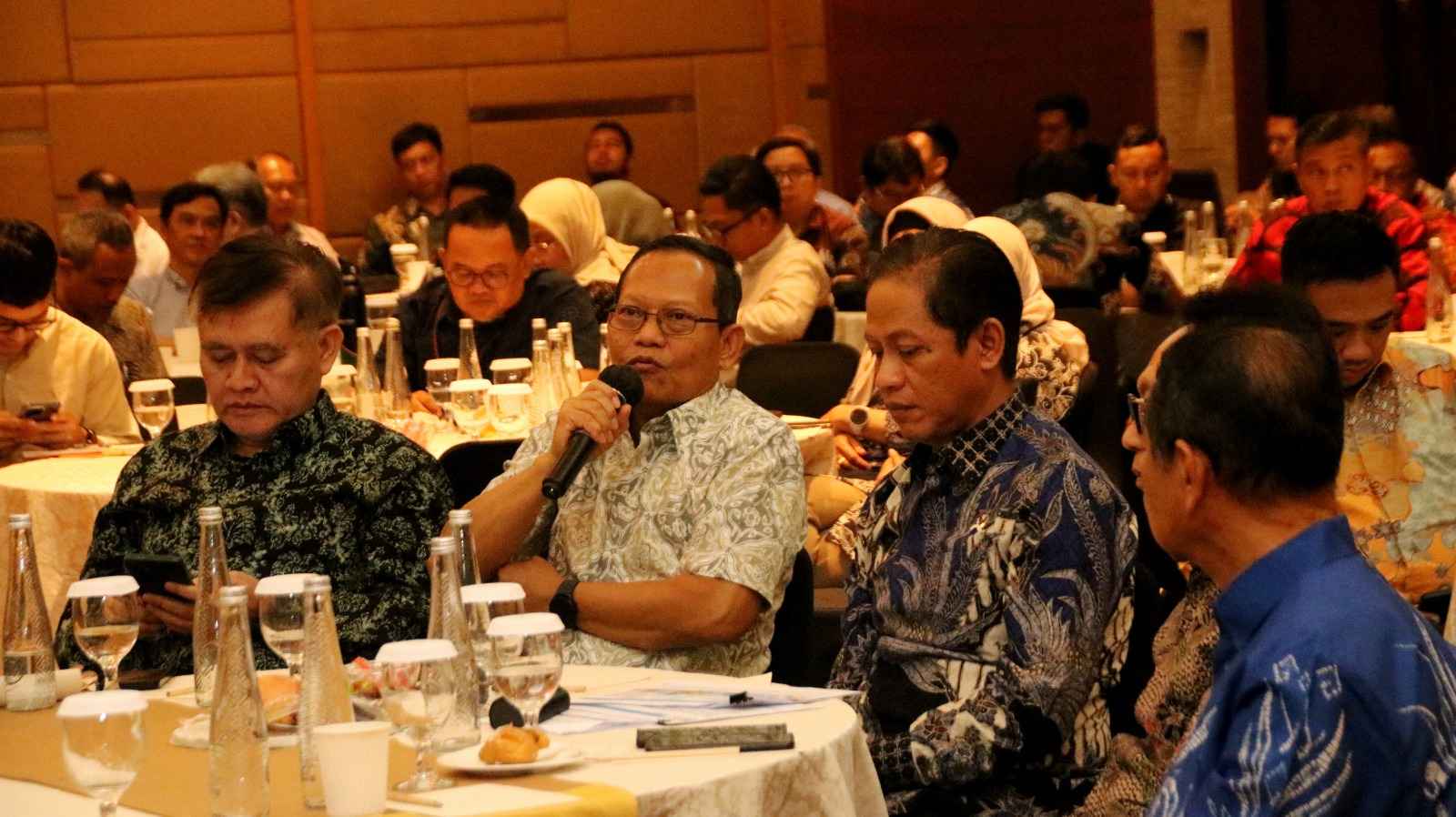
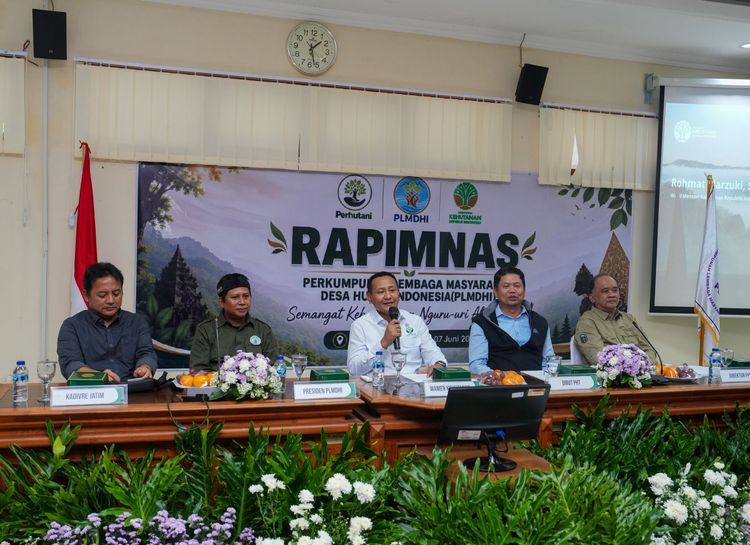
Speaking at the 2026 National Leadership Meeting of the Association of Indonesian Forest Village Community Institutions (PLMDHI) for Java, Madura, and Banten in Madiun, East Java, on Friday (6 June), Rohmat said the remaining forests on Java Island play a crucial role in maintaining water systems and environmental balance, particularly as forest cover across the island has fallen below 30 percent of land area.
“Thank you to all Forest Village Community Institutions (LMDH) that have long contributed to protecting and preserving forests on Java. The forests that remain today are vital for environmental sustainability and the livelihoods of local communities,” he said.
Rohmat revealed that as of May 2026, the Ministry of Forestry had granted social forestry access covering 8.34 million hectares, benefiting more than 1.43 million households and supported by over 16,000 Social Forestry Business Groups (KUPS).
However, he stressed that success should no longer be measured solely by expanding the area under social forestry schemes.
“Our challenge is no longer merely increasing social forestry coverage. What matters now is improving management quality, optimizing land through agroforestry, strengthening institutions, expanding market access, and ensuring greater economic benefits for communities,” he said.
To support this transition, the ministry continues to promote agroforestry through the Food and Energy Agroforestry Facilitation Program (FAPE), which provides seedlings and technical assistance to forest farmer groups.
According to Rohmat, agroforestry offers a balance between economic development and forest conservation.
“We want communities to earn better incomes while ensuring forests remain intact. Agroforestry must become the foundation of future social forestry management,” he said.
He also highlighted opportunities for social forestry groups to participate in several flagship programs initiated by President Prabowo Subianto, including food self-sufficiency, energy security, the Free Nutritious Meals (MBG) program, and the Red and White Village Cooperatives initiative.
Rohmat said agroforestry products and commodities from forest villages could become part of the supply chain supporting these programs.
“I envision products from social forestry areas supplying ingredients for the Free Nutritious Meals program. Forest village products can also be marketed through Red and White Village Cooperatives, allowing economic benefits to reach more communities,” he said.
The Vice Minister added that the Ministry of Forestry and the Ministry of Agriculture are strengthening cooperation to optimize land already managed under social forestry schemes in support of national food security without opening new forest areas.
“We are not promoting forest conversion. Instead, we are optimizing land that has already been allocated under social forestry to generate economic benefits while preserving forest functions,” he explained.
Rohmat also reaffirmed the government’s commitment to using social forestry as a tool for poverty alleviation in line with Presidential Instruction No. 8 of 2025 on poverty reduction and the eradication of extreme poverty.
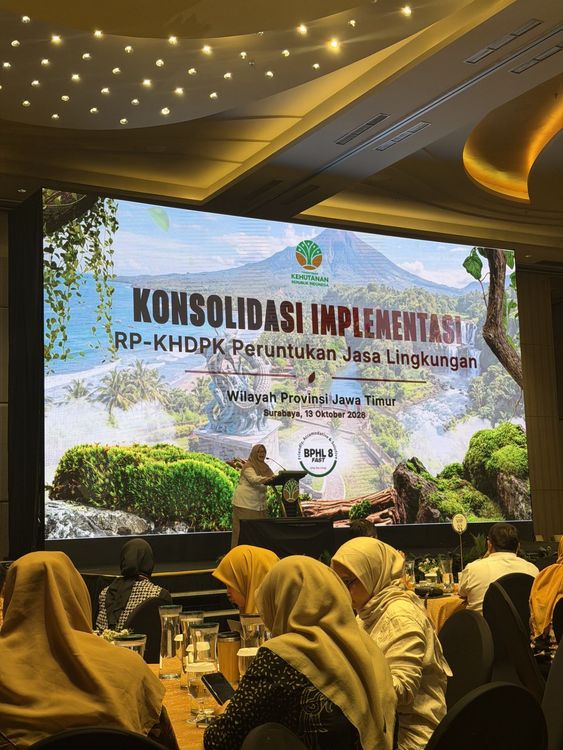
Regarding the Special Forest Management Areas (KHDPK), he said the Ministry of Forestry and Perum Perhutani are continuing intensive discussions to formulate policies that accommodate all stakeholders.
“We want the KHDPK process to proceed smoothly, minimize conflicts on the ground, and provide a new foundation for forest management in Java that is more productive, equitable, and beneficial to communities,” he said.
He concluded by urging forest village institutions, Perhutani, local governments, universities, businesses, financial institutions, and community facilitators to strengthen collaboration based on tangible outcomes.
“Success should be measured by stronger institutions, growing businesses, wider market access, and the emergence of independent and competitive social forestry enterprises. We must work together because the government cannot do this alone. Sustainable forests and prosperous forest communities can only be achieved through collaboration,” Rohmat said. (*)