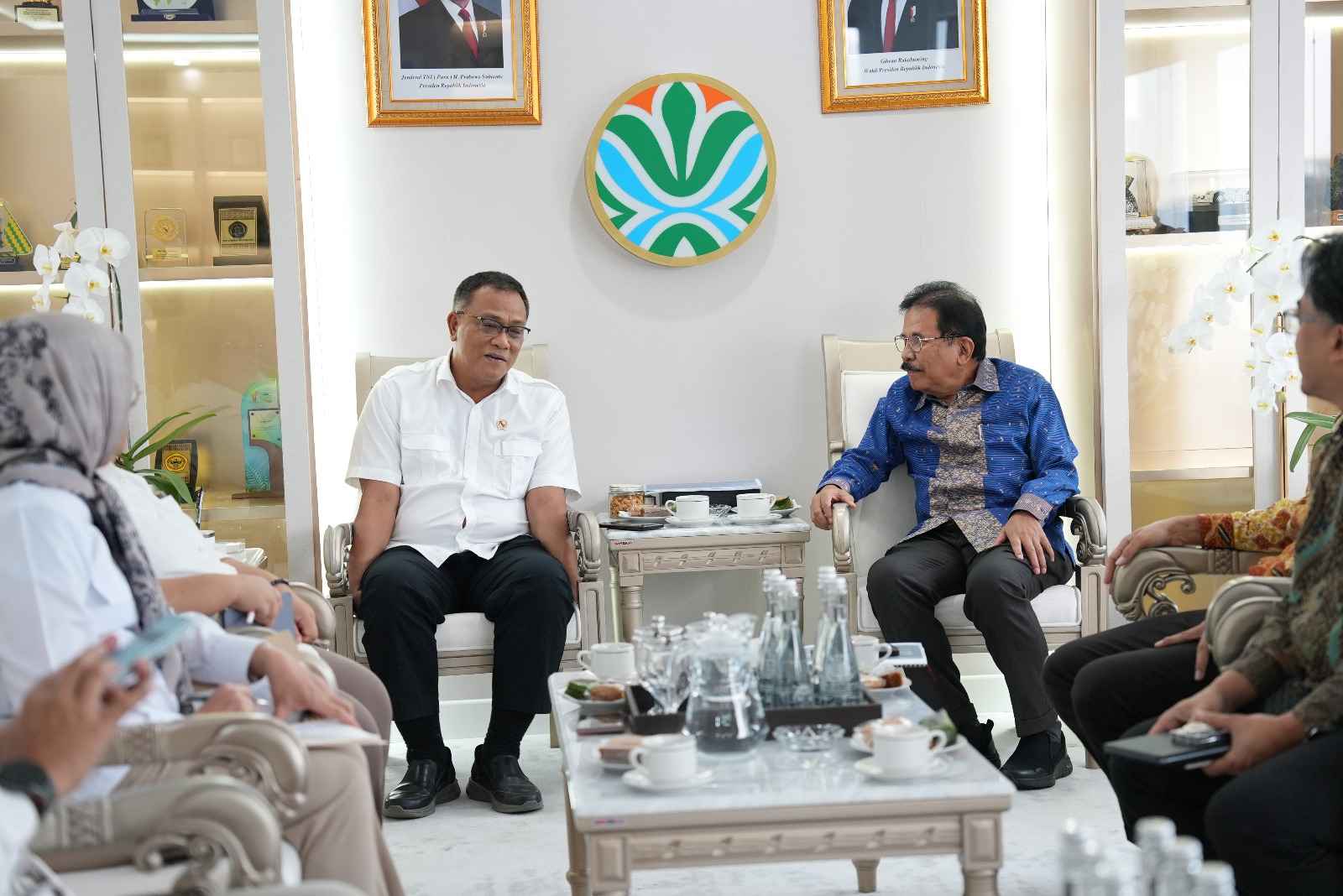
Enviro News Asia, Jakarta – The Ministry of Environment/Environmental Control Agency (KLH/BPLH) has welcomed a collaboration offer from the Indonesian Business Council (IBC) on developing the green economy and creating green jobs, during an audience held at the KLH/BPLH office in Plaza Kuningan, Jakarta, on Monday, June 15, 2026.
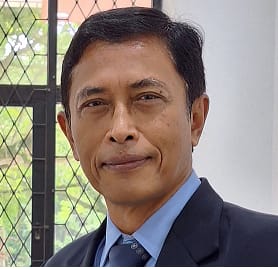
“We are driving a national ecological repentance movement, and also promoting green jobs from the environmental sector, which includes business aspects such as plant nurseries, mangrove planting, and ecotourism,” said Minister of Environment/Head of the Environmental Control Agency, Moh. Jumhur Hidayat.
Minister Jumhur affirmed that this collaboration is wide open, including in the biodiversity business sector, which is now permitted in Indonesia under a government regulation (PP) currently being drafted.
IBC Chief Operating Officer William Sabandar revealed that global research shows 60 percent of the world’s Gross Domestic Product (GDP) is derived from nature-based products. However, Indonesia has only explored around 17 percent of its total natural wealth. IBC, which is also partnering with the British Government on research involving dozens of researchers, is currently studying potential plants for commercialization, including in the perfume and food sectors.
“So when we talk about green economy business, it’s still very wide open, but we haven’t yet utilized the innovations that could come from Indonesia’s flora and fauna,” William said.
IBC Chairman/CEO Sofyan Djalil stated that IBC wants to be involved and collaborate with KLH/BPLH in developing the green economy, including the provision of green jobs.
During the meeting, Minister Jumhur also placed special emphasis on the aspect of fairness in carbon trading.
“Regarding carbon trading, I emphasized that benefit sharing from carbon trading must be as extensive as possible, with the communities living in the relevant locations benefiting the most,” Minister Jumhur said.
He noted that the international community now places greater value on countries whose policies favor local communities, meaning carbon trading that respects local residents will be valued more highly than that which disregards them.
Minister Jumhur also revealed that KLH/BPLH is drafting a Climate Justice bill. The deliberate choice of this name, rather than “Climate Change,” is meant to ensure that development policy does not sideline local communities. As a concrete step, the processing of Environmental Impact Analyses (Amdal) now requires not only environmental carrying capacity assessments but also social preparation and social integration aspects.
“We must not allow any more business sites that function like enclaves, like a state within a state, where local residents are not involved at all or are even pushed aside,” Minister Jumhur concluded. (*)