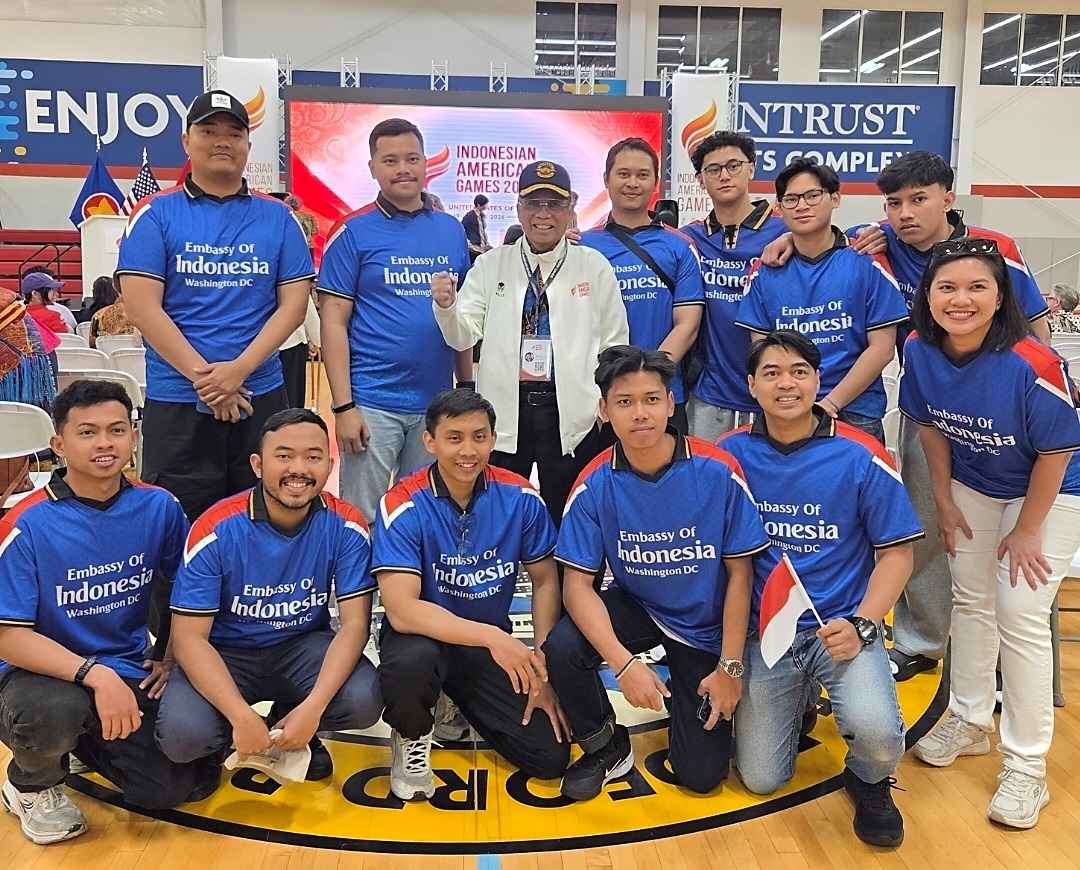
Enviro News Asia, Chicago – The city of Chicago has witnessed a new milestone for the Indonesian diaspora in the United States. For the first time, the Indonesian-American Games (1st IAG 2026) were held on June 19–21, 2026, bringing together around 150 diaspora athletes and American participants from across the country under the banner of “One Nation, One Spirit, One Game.”
Conceived by Indonesian students in the United States under the leadership of Davon Arjunaidi, the event was far more than a sports competition. It became a cross-community gathering space connecting identity, pride, and the spirit of togetherness among Indonesians living abroad.
Sports contested included football, volleyball, tennis, basketball, and chess, reflecting the event’s inclusive character, welcoming both competitive athletes and recreational participants alike. But beyond the medals, the atmosphere was defined by friendship, mutual respect, and a unifying spirit.
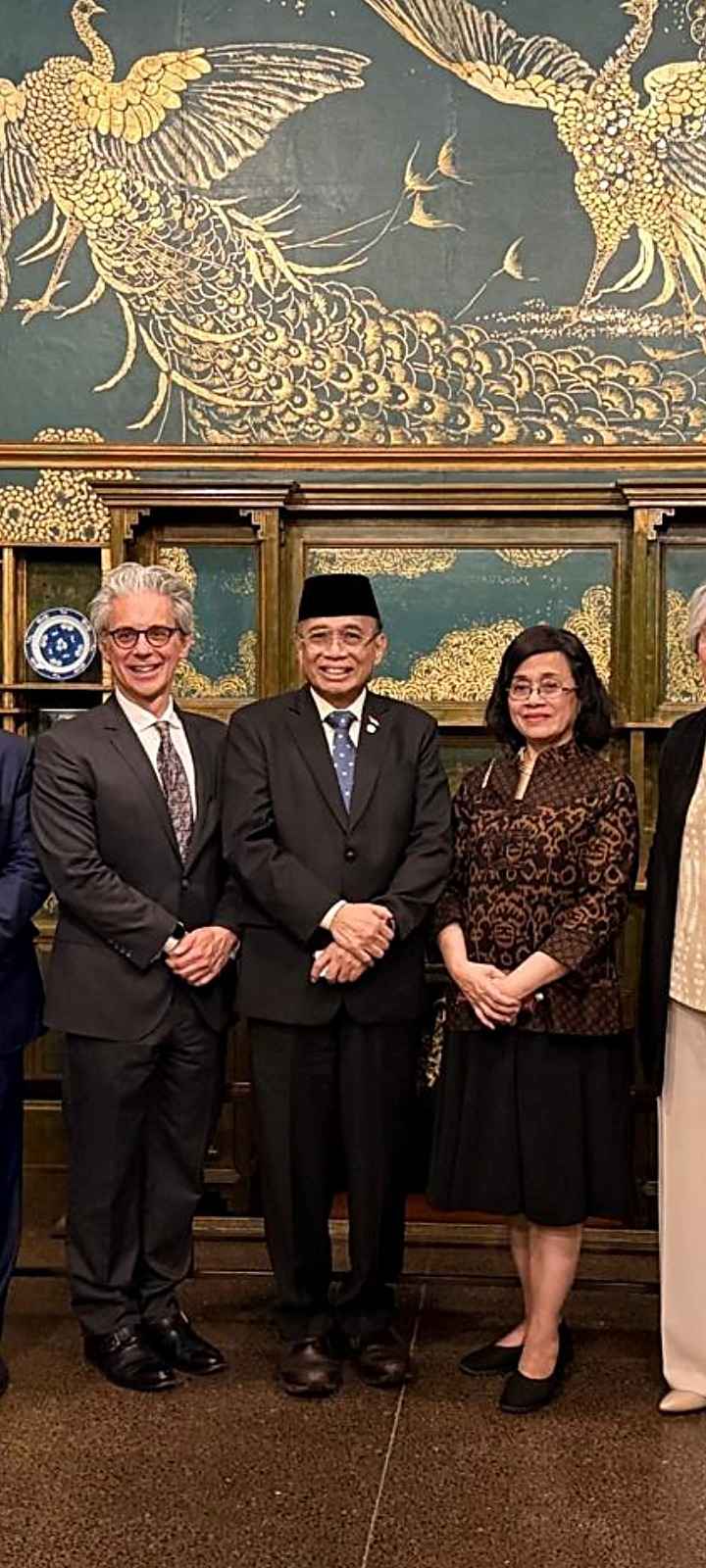
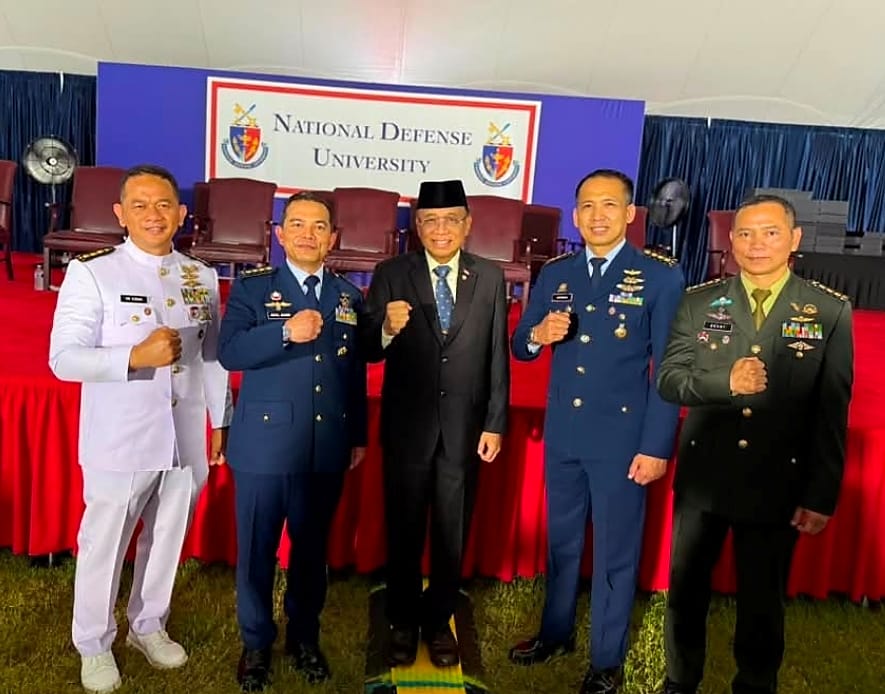
The presence of prominent figures underscored the event’s strategic significance. Indonesian Ambassador to the United States Indroyono Soesilo and Consul General of the Republic of Indonesia in Chicago Trisari Dyah Paramita attended to show their support, as did Consuls General from Canada, Thailand, the Philippines, and Pakistan, reflecting regional solidarity in the spirit of global sportsmanship.
An Indonesian Olympic Committee (KOI) delegation led by KOI Chairman Raja Sapta Oktohari also attended, bringing with them a number of national athletes who have competed at the Olympic Games, including badminton gold medalist Greysia Polii, swimming legend Richard Sambera, and national judoka Khrisna Bayu. Their presence served as direct inspiration for young members of the diaspora to continue striving for international achievement.
The opening ceremony was enlivened by Balinese and Javanese gamelan performances, Balinese dance, Tor-Tor dance, and a pencak silat demonstration, with all athletes and guests joining in a lively poco-poco dance session.
The timing of the event carried additional significance, coinciding with the celebration of the United States’ 250th anniversary of independence and the FIFA World Cup 2026, also being held across the country. Amid this global euphoria, the Indonesian diaspora demonstrated that it too has its own stage on which to celebrate its identity and contributions.
The KOI delegation’s visit to the United States was also part of a formal invitation from the US State Department through the International Visitor Leadership Program (IVLP). Beyond the Chicago events, the delegation is scheduled to visit the US Olympic Academy in Colorado Springs and inspect preparation facilities for the 2028 Los Angeles Olympics, with the aim of drawing on best practices in sports system management, resource mobilization, and sustainable athlete development.
Efforts to strengthen Indonesian sports human resources continue to advance, including through LPDP scholarship programs that offer athletes the opportunity to pursue master’s and doctoral degrees in sports-related fields such as sports health, sports physiology, sports psychology, biomechanics, sports nutrition, and sports management, both domestically and abroad, as part of Indonesia’s broader vision of building a professional and globally competitive sports ecosystem.
The success of the 1st IAG 2026 in Chicago marks the starting point of a long series of similar events planned for major US cities, with IAG 2027 set for New York, IAG 2028 in Los Angeles, IAG 2029 in Houston, and IAG 2030 in Washington D.C., steadily expanding the reach and strengthening the network of the Indonesian diaspora across the country.
The Indonesian-American Games, in the end, is not merely about who wins or loses. It is a symbol that wherever Indonesians may be, the spirit of Indonesia lives on, that sport can serve as a universal language for strengthening unity, and that the diaspora is not simply a scattered community, but a collective force capable of carrying Indonesia’s name ever further into the world. (*)