Enviro News Asia, Rome – The Green Climate Fund (GCF) has approved US$52.5 million for a cross-cutting project to strengthen climate adaptation and resilience across landscapes and communities in Fiji, to be implemented by the Food and Agriculture Organization of the United Nations (FAO) together with the Government of Fiji and partners.
The financing comprises a US$29.3 million GCF grant and US$23.2 million in co-financing. The seven-year Forest Landscape Restoration for Climate Benefits and Resilience (Fiji FLR) project will help restore degraded landscapes, protect coastal ecosystems, and improve forest and agricultural land management, with key partners including Fiji Hardwood Corporation Limited, Fiji Pine Limited, Fiji Development Bank, and local communities.
The project is expected to reach 196,877 direct beneficiaries, half of whom are women, with a further 149,715 people benefiting indirectly. It will reduce the climate vulnerability of rural communities dependent on farming, livestock production, forestry, or fisheries for their livelihoods.
“This landmark investment from the GCF will help Fiji build a more efficient, inclusive, resilient, and sustainable agrifood system, safeguard food security and ensure a better future for its people. This funding marks a milestone for climate action in Small Island Developing States and responds directly to the urgent needs of vulnerable rural communities,” said FAO Director-General QU Dongyu.
Fiji’s Permanent Secretary for Environment and Climate Change Michael Sivendra welcomed the partnership, stressing the urgent need for scaled-up, accessible climate finance to match the realities facing the island nation.
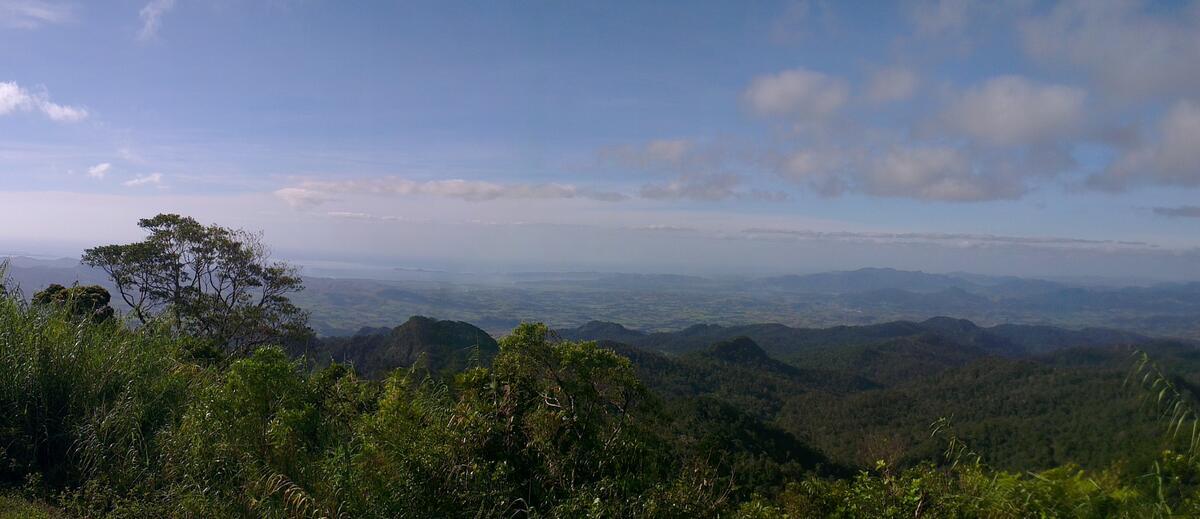
Fiji is an archipelago of more than 300 islands in the South Pacific, where forests, agricultural lands, rivers, and coastal ecosystems form an interconnected ridge-to-reef system. Tropical forests cover 60 percent of the land, providing critical habitat for unique biodiversity while protecting coastal ecosystems from harmful run-off. However, unsustainable land use, logging, and mangrove clearing have contributed to soil erosion, forest degradation, and flooding, while stronger cyclones, heavier rainfall, rising sea levels, and more frequent wildfires are intensifying these pressures.
To address these interconnected challenges, FAO and partners will implement a ridge-to-reef approach linking forest restoration upstream with the protection of coastal ecosystems downstream. More than 80,000 hectares of forest and agricultural land will be restored and placed under improved management, while more than 90,000 hectares of coastal ecosystems will be protected. These actions are projected to remove 6 million tonnes of CO₂ equivalent from the atmosphere.
Community-led restoration activities include planting mixed forests on more than 5,700 hectares, restoring 5,000 hectares of riverbanks and waterways, and supporting natural regeneration across 5,000 hectares of degraded forest. An additional 12,000 hectares of forest will be protected through agreements with customary landowners. Agroforestry systems integrating fruit and nut trees will also strengthen food security, improve soil health, and create new income opportunities.
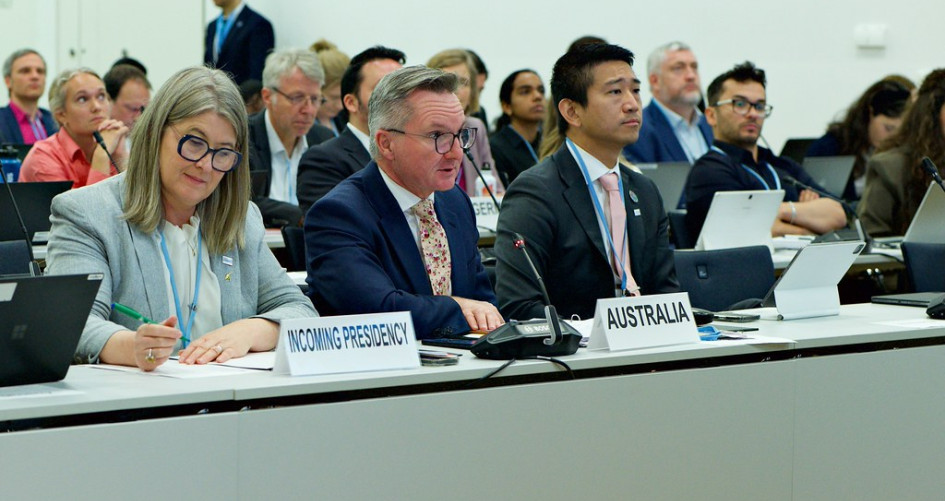
The project was approved during the 45th GCF Board meeting in Dushanbe, Tajikistan, and forms part of FAO’s US$2 billion GCF project portfolio serving more than 60 million people across 99 countries. Beyond Fiji, the project offers a replicable model for other Small Island Developing States combining policy reform, community-based planning, and sustainable finance. (*)