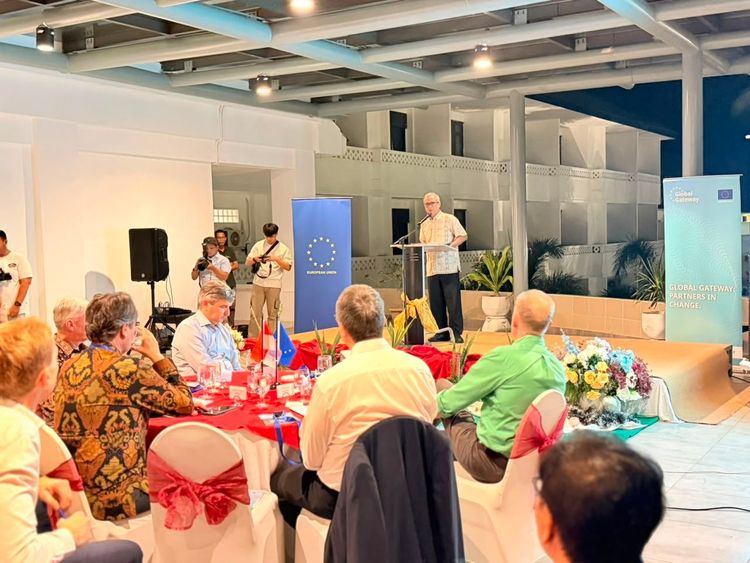
Enviro News Asia, North Sulawesi — Indonesia’s Ministry of Forestry, the European Union (EU), and the Wildlife Conservation Society (WCS) have reaffirmed their commitment to strengthening conservation partnerships through a field visit to North Sulawesi, highlighting community-based conservation and sustainable coastal development.
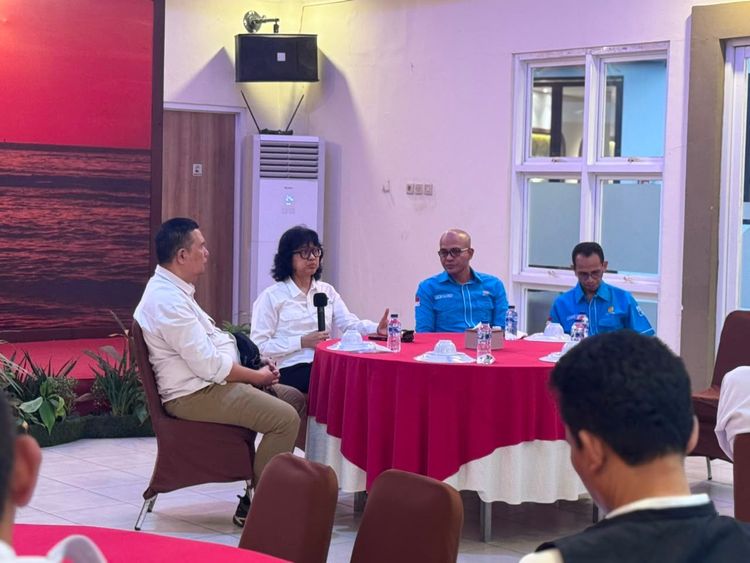
The visit by the European Union delegation served as an opportunity to review the implementation of conservation programs, engage with coastal communities, and strengthen international cooperation in biodiversity conservation and sustainable livelihoods.
The delegation included the European Union Ambassador to Indonesia, Denis Chaibi, along with ambassadors and senior officials from EU member states. During the visit, the delegation observed conservation project sites, met with local communities, and reviewed the outcomes of collaborative programs implemented jointly with the Government of Indonesia over recent years.
The initiative is a partnership between the European Union, Indonesia’s Ministry of Forestry through the Directorate General of Natural Resources and Ecosystem Conservation (KSDAE), KfW German Development Bank, and the Wildlife Conservation Society (WCS) Indonesia Program. The program operates in North Sulawesi and North Maluku to strengthen marine biodiversity conservation while improving the livelihoods of coastal communities through sustainable natural resource management.
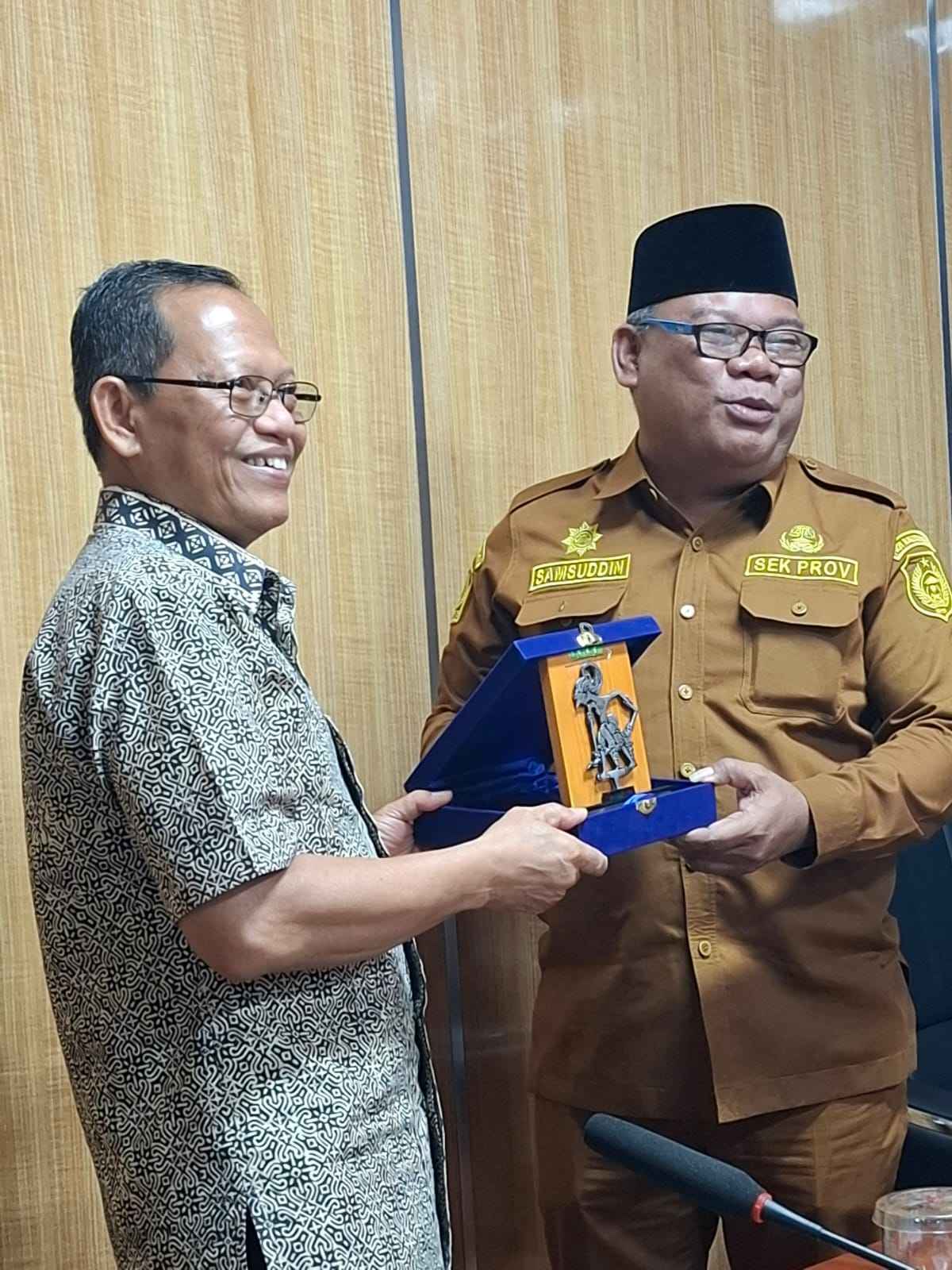
Representing the Director General of KSDAE, Secretary of the Directorate General of KSDAE Nandang Prihadi said the Ministry of Forestry has maintained a long-standing partnership with WCS in supporting conservation area management across Indonesia.
He said North Sulawesi has become one of the strategic locations for collaboration between the ministry, WCS, and development partners, with the field visit providing an opportunity to showcase conservation achievements and strengthen future cooperation.
Nandang also revealed that the Ministry of Forestry and WCS are currently exploring the development of biodiversity credits and a National Parks Bond, modeled on the successful Rhino Bond initiative, as innovative financing mechanisms to support long-term conservation efforts.
He expressed appreciation to the North Minahasa Regency Government, WCS, the European Union, KfW German Development Bank, and all development partners for their contributions, expressing hope that the visit would further strengthen international collaboration and highlight best practices in conservation management and community empowerment.
European Union Ambassador to Indonesia Denis Chaibi said that since 2019, the EU-supported program has achieved significant progress in biodiversity conservation, sustainable fisheries, community institutional strengthening, and conservation-based local economic development.
According to Chaibi, the program has supported the establishment and strengthening of nine marine protected areas covering more than 781,000 hectares across North Sulawesi and North Maluku. These protected areas conserve over 14,000 hectares of coral reefs, approximately 6,000 hectares of mangrove forests, and around 5,000 hectares of seagrass beds that provide critical habitats for marine biodiversity.
The initiative has also supported conservation-based livelihoods by helping 29 Community Monitoring Groups (Pokmaswas) and 19 coastal community organizations develop sustainable businesses, including fisheries processing and value-added marine products that contribute to higher household incomes.
The Ministry of Forestry, the European Union, and project partners emphasized that successful conservation depends on strong collaboration among governments, local communities, development institutions, the private sector, and international partners. They reaffirmed their commitment to continuing joint efforts to protect Indonesia’s biodiversity while promoting sustainable economic opportunities for coastal communities. (*)