


Enviro News Asia, Jakarta – Indonesia’s Ministry of Environment/Environmental Control Agency (KLH/BPLH) is finalizing a strategic regulation on water farming that will require groundwater users to replenish underground water reserves as part of efforts to address water scarcity, environmental degradation, and land subsidence in urban areas.
Environment Minister and Head of the Environmental Control Agency Moh Jumhur Hidayat announced the initiative after delivering a keynote address at the Indonesia Net-Zero Summit 2026 in Jakarta. He said the regulation is currently undergoing the required public consultation process and is expected to be finalized by the end of 2026.
Water farming is defined as a circular water management approach that captures, stores, and returns extracted groundwater back into aquifers to maintain groundwater reserves and improve long-term water security.
“The regulation is currently being prepared because it must go through a public consultation process and other regulatory procedures. We expect it to be completed by the end of 2026,” Jumhur said.
The minister highlighted the growing exploitation of groundwater in major Indonesian cities by businesses and households. Although groundwater extraction is subject to local government fees, he argued that financial contributions alone are insufficient to address the environmental consequences of excessive groundwater use.
According to Jumhur, environmental sustainability requires groundwater users to restore the resources they extract rather than relying solely on tax or retribution payments.
“If people extract groundwater, they should also be required to return water to the ground. That is the environmental principle we want to establish,” he said.
He warned that uncontrolled groundwater extraction could accelerate land subsidence, particularly in densely populated urban areas where heavy infrastructure places additional pressure on weakened soil layers. The long-term impacts include declining groundwater reserves, soil degradation, and increased environmental risks.
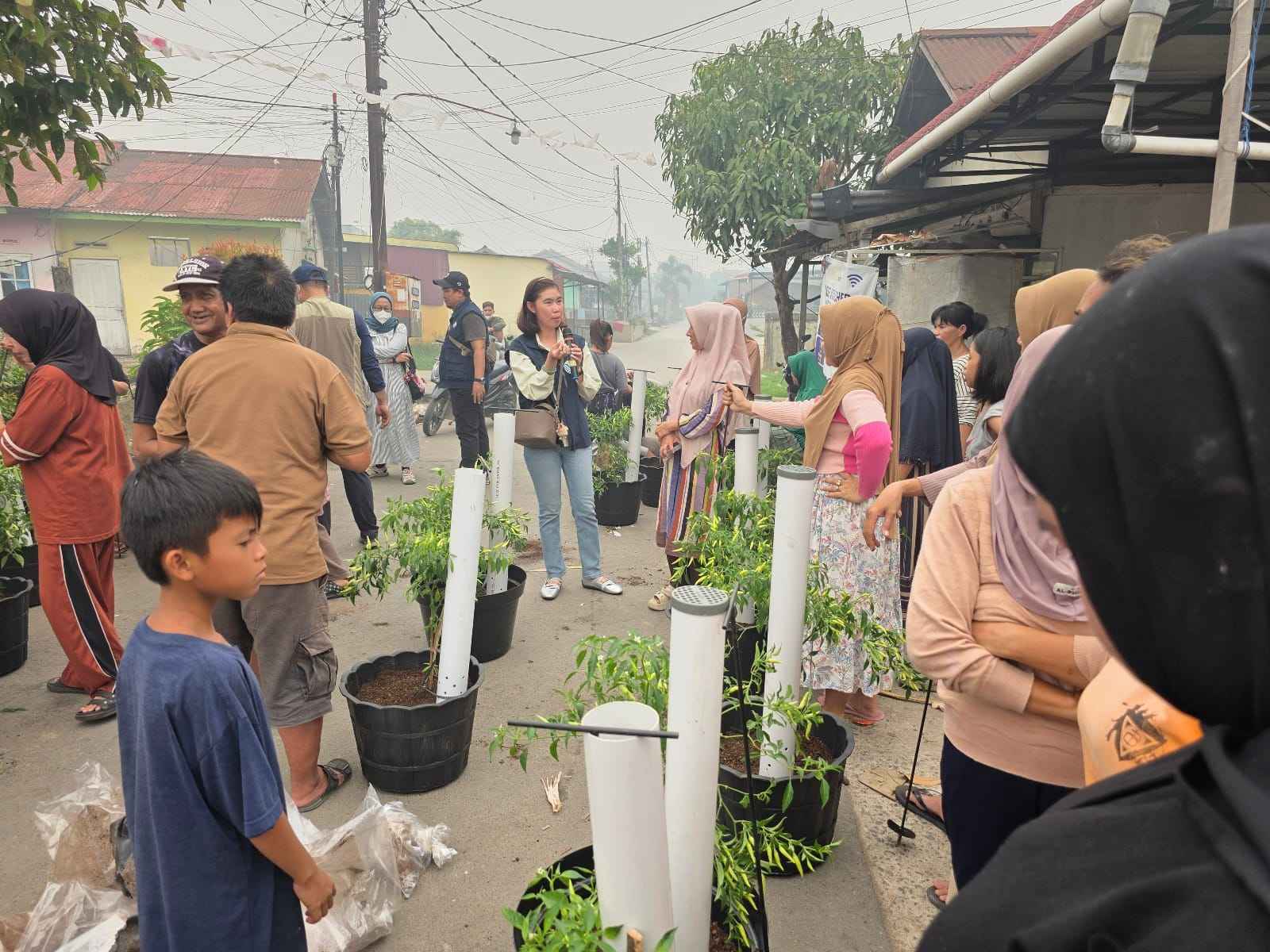
Under the proposed regulation, every individual or business extracting groundwater will be required to implement groundwater recharge measures. The regulation will provide several technical options for compliance, including the installation of biopore infiltration wells, the reinjection of treated water into the ground, and large-scale tree planting proportional to the volume of groundwater extracted.
“For example, users may be required to build biopore wells, return used water into the soil, or plant a specified number of trees within a designated area based on the volume of groundwater they utilize,” Jumhur explained.
The ministry said the proposed water farming policy reflects the government’s commitment to ensuring that groundwater exploitation is balanced by ecosystem restoration, helping safeguard water resources while reducing the risk of land subsidence and supporting long-term environmental sustainability. (*)