Enviro News Asia, Pontianak — The Ministry of Environment and Environmental Control Agency (KLH/BPLH) has transformed the Yuka Complex in Sungai Beliung, Pontianak, into a “Losida Village” as part of efforts to strengthen household organic waste management and reduce the volume of waste sent to landfills.
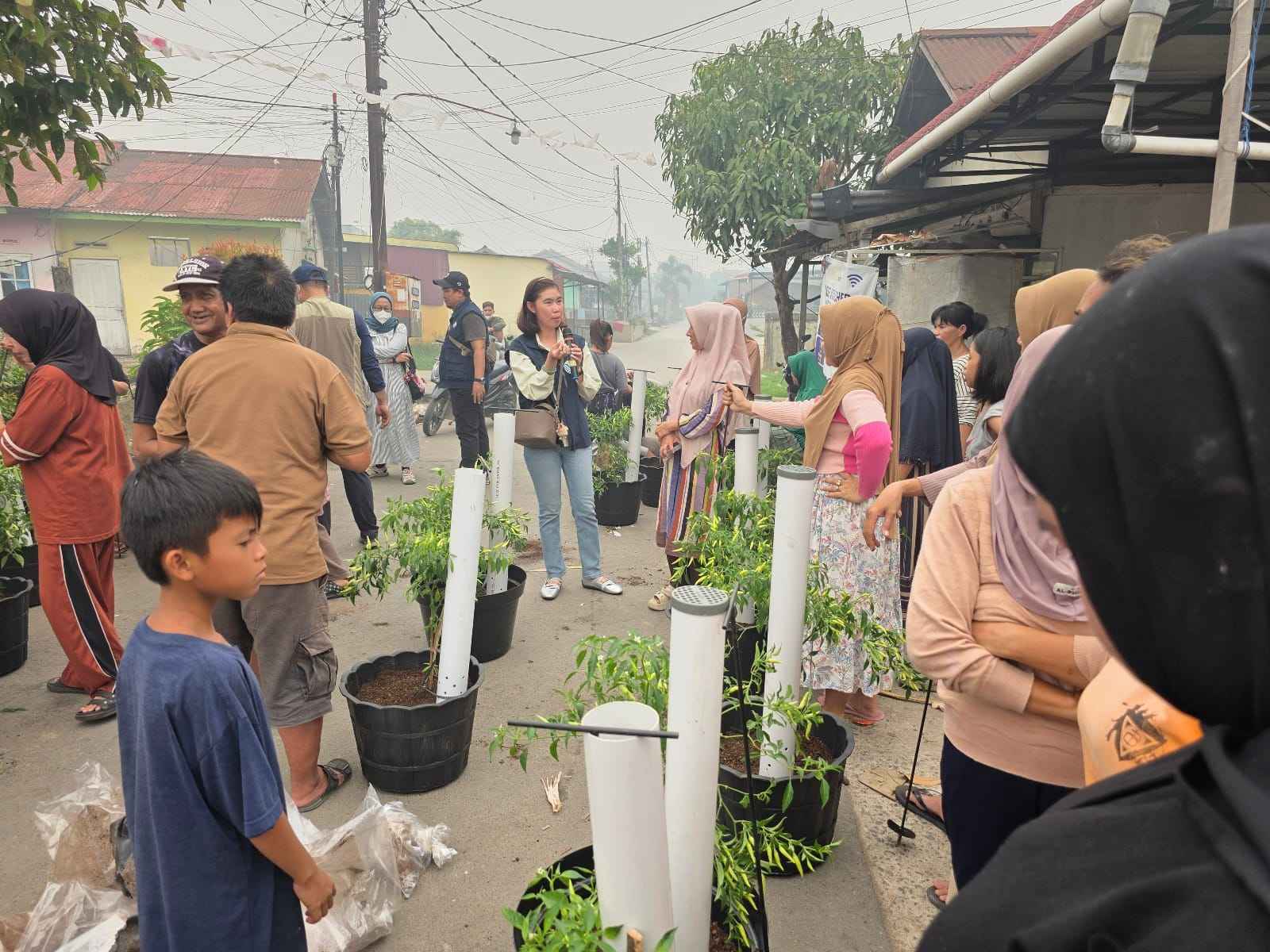
The initiative, developed through KLH/BPLH’s Kalimantan Environmental Control Center (Pusdal LH Kalimantan), introduces an adapted Lodong Sisa Dapur (Losida) system using container pots to process kitchen waste at its source. The program was officially launched on September 12, 2026, through a technical training session at the Edelweis Integrated Waste Management Facility (TPST).
Residents from three neighborhood units (RW) participated in the program. Pusdal LH Kalimantan distributed 50 Losida pots and partnered with the Gerakan Pembaharuan (Gaharu) Community and the Green Community Forum (FKH) to provide three months of assistance to 50 beneficiary households.
The pot-based system was specifically adapted to Pontianak’s peatland conditions and vulnerability to flooding.
“Traditional Losida systems, in which pipes are buried in the ground, are less suitable for Pontianak because of its peatland characteristics and susceptibility to waterlogging. They could potentially contaminate water. The modified pot-based Losida system provides an innovative solution while protecting the surrounding environment and preventing compost from becoming excessively wet or damaged,” said Buyung Yusuf Wibisono, Head of Regional Division III at Pusdal LH Kalimantan.
The initiative encourages residents to separate and process waste at its source, thereby reducing the amount of waste transported to final disposal facilities.
Buyung also highlighted the connection between unmanaged organic waste and landfill fire risks. He said decomposing piles of mixed organic waste can generate methane gas, which may contribute to fires at landfill sites. According to the program’s statement, 22 landfills in Indonesia have experienced fires this year.
Data from the National Waste Management Information System (SIPSN) showed that Pontianak generated approximately 489 tonnes of waste per day in 2025, increasing the need for effective waste management at the Batu Layang landfill.
The city government has also emphasized the importance of public participation in achieving its waste management targets.
Pontianak Environmental Agency Head Syarif Usmulyono, who opened the event, said the city government has set a target of managing 70 percent of generated waste while reducing the remaining 30 percent at its source.
He stressed that government programs and funding alone would not be sufficient without active community participation. Collective awareness and participation, he added, are expected to produce measurable reductions in total waste generation.
The Losida initiative will also complement existing waste separation activities at the Yuka Complex. Gaharu Community Chairman Hermayani Putra said organic waste processing through the Losida system would strengthen the neighborhood’s existing efforts to separate recyclable materials through its waste bank.
At least 41 residents of the Yuka Complex had previously participated in separating inorganic waste and integrating the activity with the local waste bank.
Through cooperation between government institutions, community organizations, and residents, the Losida Village program is expected to strengthen decentralized urban waste management and provide a model that can potentially be replicated in other communities. (*)