Enviro News Asia, Bali — Indonesia’s carbon and biodiversity economy needs stronger collaboration linking sustainable forest management, regulatory certainty, responsible investment and tangible benefits for local communities.
The Indonesian Forestry Entrepreneurs Association (APHI) is supporting the Indonesia Carbon and Biodiversity Summit 2026 alongside the Indonesia Carbon Credit and Biodiversity Alliance (ICBA) to strengthen cooperation in developing the country’s carbon and biodiversity potential.
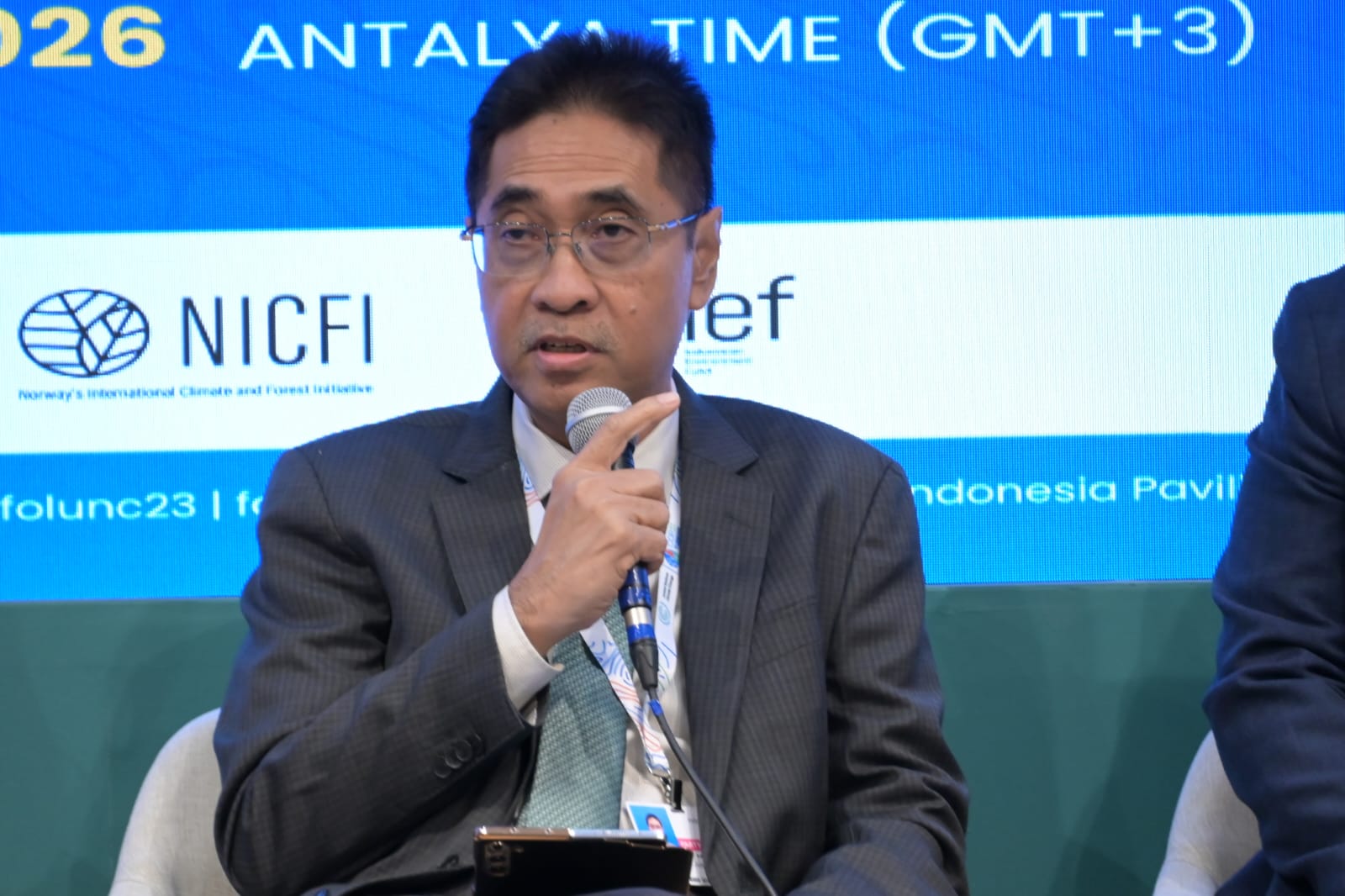
APHI Chairman Soewarso said the involvement of forestry businesses is essential to bridge government policy and the implementation of carbon management and biodiversity protection on the ground.
“APHI is ready to bridge government policy and business implementation. We are committed to strengthening members’ capacity, improving standards, supporting credible projects and developing responsible partnerships,” Soewarso said in his prepared remarks for the summit in Bali on September 9, 2026.
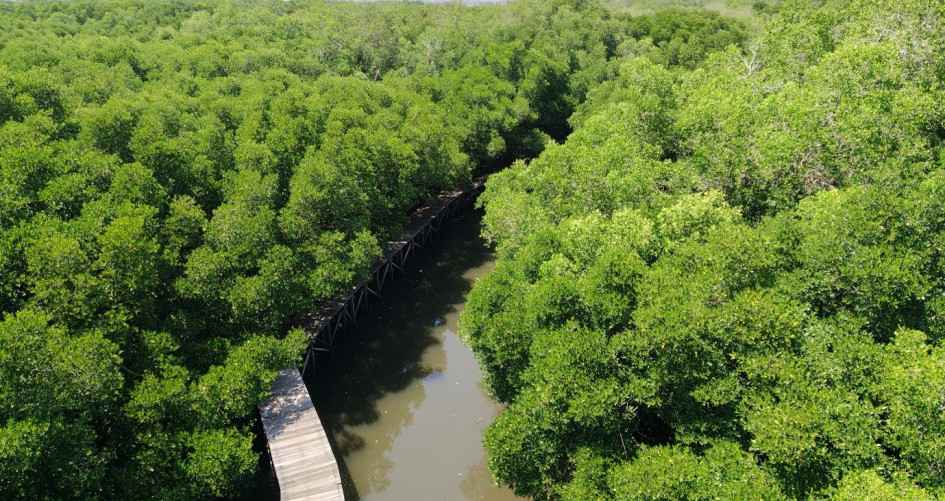
He said forests perform interconnected functions as carbon sinks, biodiversity habitats, water regulators and sources of livelihood for surrounding communities. Therefore, efforts to develop the economic value of carbon must remain part of sustainable forest management.
“The challenge is not only how to generate carbon units. Our greater responsibility is to build a high-integrity carbon market trusted by buyers, attract responsible investment, ensure fair benefits for communities and strengthen forest sustainability,” he said.
Soewarso outlined five APHI priorities: regulatory and business certainty, carbon market integrity, integrated carbon and biodiversity management, community participation as a key component, and landscape-based collaboration.
He said certainty is required throughout the development of carbon projects, from establishing baselines and conducting validation and verification to registry processes, carbon-unit issuance and trading.
At the same time, data quality, sound methodologies, safeguards against double counting, and transparent measurement, reporting and verification must form the foundation of market confidence.
“Indonesia should not focus only on transaction volumes. We must build a reputation as a provider of high-quality carbon credits that deliver tangible benefits for the climate, nature and communities,” Soewarso said.
APHI also sees opportunities to integrate carbon values with biodiversity conservation, ecosystem services, non-timber forest products, agroforestry and ecotourism through a multi-business forestry approach.
According to Soewarso, communities living around forests should participate from project planning and implementation to monitoring and benefit-sharing. Technology support, capacity building, alternative livelihoods and economic incentives should form part of these partnerships.
ICBA Chairman Rob Raffael emphasized the importance of APHI’s involvement in connecting forest managers with project developers, investors, carbon buyers, academics and development partners.
“Collaboration with APHI is important because developing the carbon and biodiversity economy requires practical forest management experience at the site level. We want this forum to connect the needs of area managers with policy, technology and financing support,” Rob said.
He said cooperation should focus on projects with measurable environmental benefits, transparent governance and accountable benefit-sharing mechanisms.
“Market confidence is built through project quality and consistent implementation. Carbon value must go hand in hand with biodiversity protection and improved community welfare,” he said.
Rob expressed hope that the summit would generate long-term partnerships to help forest managers improve project readiness, strengthen technical capacity and gain access to appropriate financing.
Soewarso also stressed that the economic value of carbon must account for the costs of forest protection, monitoring, fire-risk management and the long-term commitments required from forest managers.
Innovative financing and partnerships among forest managers, investors and carbon buyers will therefore be important to sustain these activities.
Through the joint initiative of APHI and ICBA, the Indonesia Carbon and Biodiversity Summit 2026 is expected to strengthen collaboration around credible projects, responsible investment and equitable community benefits while maintaining forests as a foundation of Indonesia’s green economic development. (*)