

Enviro News Asia, South Tangerang – The National Research and Innovation Agency (BRIN), through its Intelligent Power and Energy Systems (InPES) Research Group at the Center for Electrical Technology Research, is developing a Blue-Green Nexus model, an integrated approach to strengthen energy resilience, clean water provision, and the economic productivity of coastal communities. The model is currently being refined through field research in Ekas Buana Village, East Lombok Regency, West Nusa Tenggara.
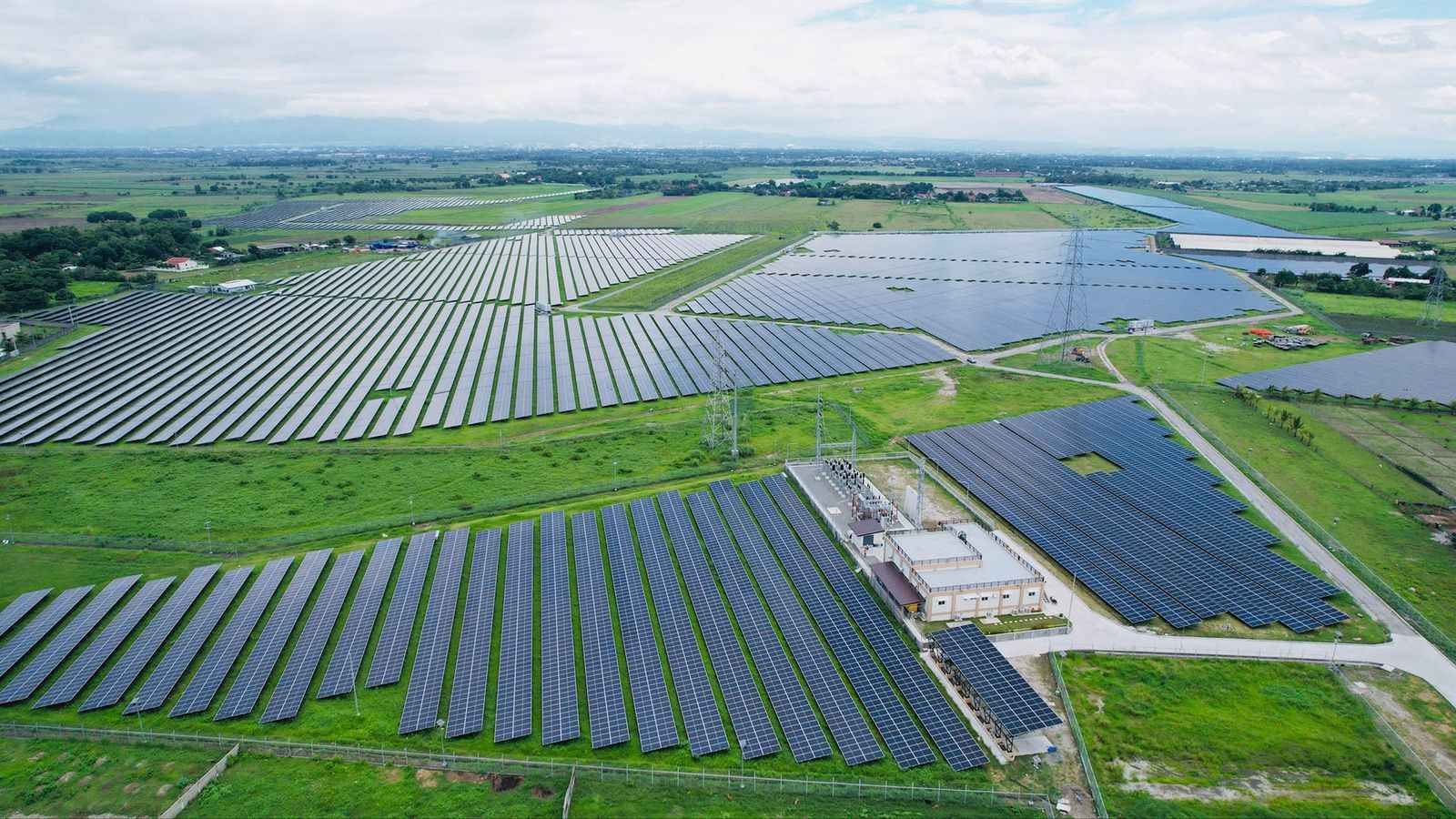
The model integrates off-grid solar power plants, a Battery Energy Storage System (BESS), seawater desalination systems, and a carbon-based sustainable financing mechanism known as Circular Blue-Finance.
BRIN Electrical Technology Research Center Junior Expert Engineer Moch Arief Albachrony said Ekas Buana was selected as the study site due to its significant potential in fisheries, lobster aquaculture, seaweed cultivation, and tourism, while still facing challenges in reliable energy supply and clean water access.
“Our goal is not merely to build a solar power plant, but to design an integrated system capable of improving the quality of community life through the provision of clean energy, clean water, and the strengthening of productive economic activities,” Arief said.
Under BRIN’s design, the off-grid solar system will operate independently of the PLN electricity grid, with energy prioritized for productive community needs including cold storage for fishermen, micro, small, and medium enterprise operations, and clean water provision through seawater desalination. Cold storage is considered particularly important for coastal communities as it preserves the quality and value of fish catches.
A key innovation in the model is the Circular Blue-Finance concept, under which the benefits of clean energy use extend beyond carbon emission reductions to be converted into economic value for communities. Specifically, carbon values generated can be modeled into carbon tokens used as incentives, such as discounts on the purchase of desalinated clean water, linking energy, clean water, and community economics within a single sustainable ecosystem.
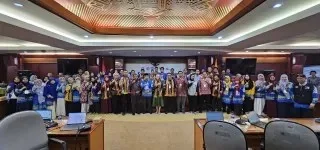
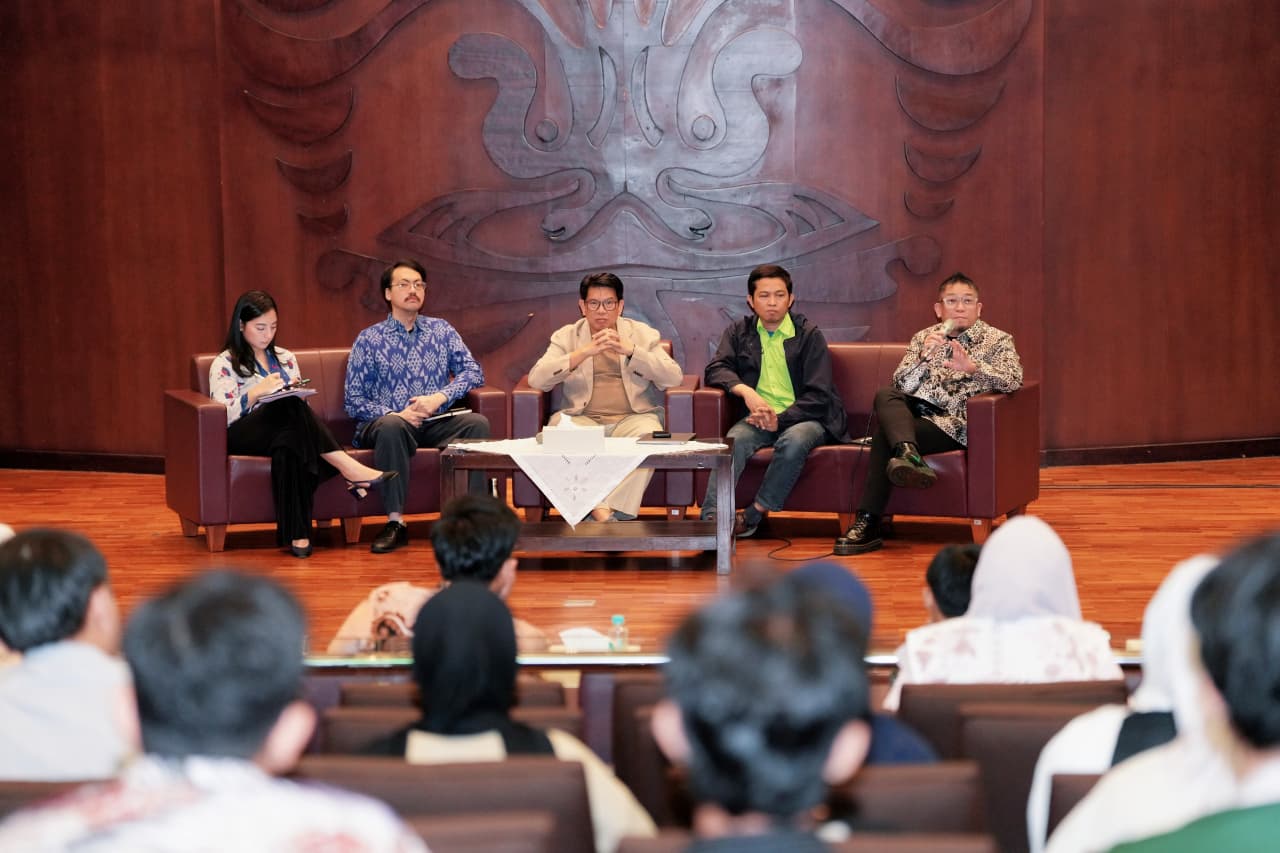
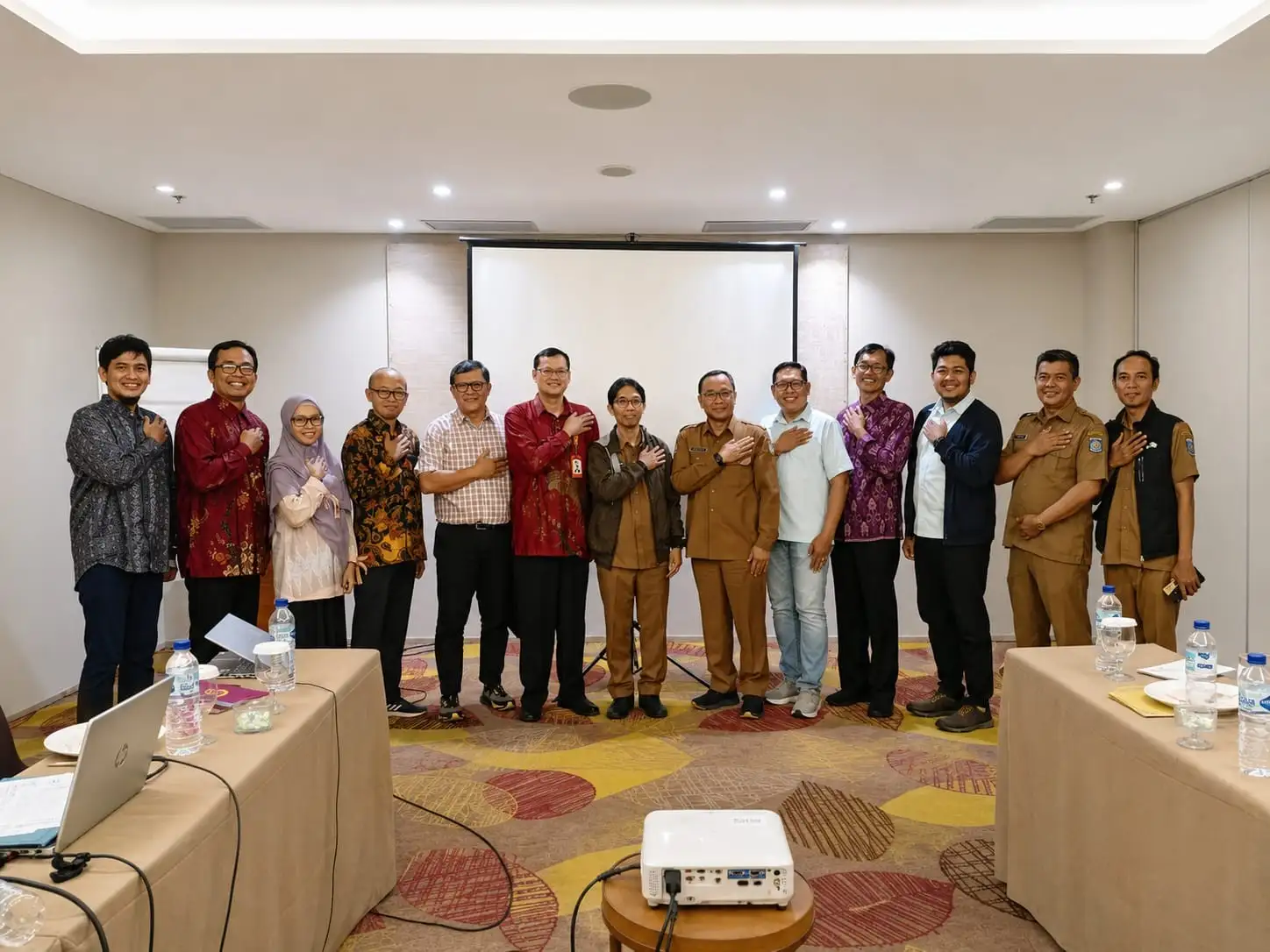
The Blue-Green Nexus model was developed through focus group discussions, technical coordination with PT PLN’s West Nusa Tenggara Regional Unit, and field surveys with the local government and Ekas Buana Village community from June 30 to July 2, 2026.
PLN West Nusa Tenggara Regional Unit Manager I Nyoman Suparte stressed the importance of integrating BESS to ensure supply reliability, along with hosting capacity analysis and infrastructure maintenance strategies, noting that high salinity in coastal areas can accelerate corrosion in equipment, requiring reliability and maintenance planning from the earliest design stages.
At the village level, BRIN identified the Merah Putih Fishermen’s Cooperative as a local institution with potential for involvement in community-based energy system management. The West Nusa Tenggara BRIDA Regional Research and Innovation Head Lalu Suryadi also proposed the use of solar ovens for more efficient and environmentally friendly seaweed drying, which could improve drying quality and add value to seaweed as a key coastal commodity.
Arief said all findings will form the basis for an implementable Blue-Green Nexus model that can be replicated across Indonesian coastal areas with similar characteristics.
“What we are building is not merely energy infrastructure, but a coastal village development model that integrates clean energy, clean water, community economics, and carbon emission reduction. If successfully applied, this model is expected to serve as a reference for coastal area development across Indonesia,” he said. (*)