

Enviro News Asia, Beijing — China has issued a national action plan to significantly expand solid waste treatment and recycling capacity over the next five years, as part of a broader push to accelerate the country’s green transition.
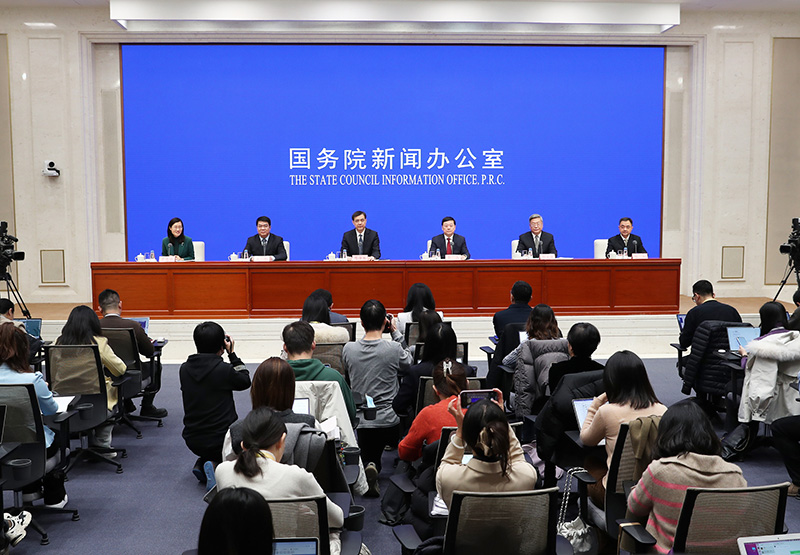
The plan was jointly formulated by the National Development and Reform Commission and 24 other government departments and was announced in Beijing on January 13. It prioritizes the management of solid waste that poses direct risks to public health and workplace safety, while establishing a long-term governance framework to curb the growth of waste generation.
Under the plan, China aims to increase the annual utilization of bulk solid waste to 4.5 billion tonnes by 2030, while recycling volumes of major renewable resources are projected to reach 510 million tonnes annually. The policy reflects China’s effort to address mounting waste challenges arising from decades of industrialization and rapid urbanization.
The action plan outlines measures to strengthen resource efficiency, improve source reduction, standardize waste collection, transportation, and storage, and enhance safe disposal capacity. It also promotes the recovery of valuable materials and the development of sustainable business models to support a circular economy.
“Solid waste should not be regarded as garbage, but as mismanaged resources,” said Zhou Haibing, Deputy Head of the NDRC, during a press briefing. He noted that the plan focuses on cutting waste at the source, improving management systems, and expanding the reuse of recyclable materials.
For industrial waste such as smelting slag, construction debris, and agricultural byproducts, the plan calls for direct reuse and the efficient extraction of valuable components. For waste products from industrial and household sources, it encourages the recovery of plastics, metals, and glass.
The policy also seeks to mobilize market mechanisms to expand the use of recycled materials in manufacturing, including recycled metals, plastics, and paper pulp. Existing funding channels will be integrated to support qualified recycling projects, while research and development in key recycling technologies will be intensified.
Addressing agricultural waste, Yang Ru, an official from the Ministry of Agriculture and Rural Affairs, said that China faces significant challenges due to the scale and dispersed nature of agricultural solid waste. The plan promotes biodegradable plastic mulch films, improved recycling of pesticide packaging, enhanced livestock manure utilization, and science-based straw management.
The action plan also emphasizes stronger policy incentives to attract broader participation from businesses and other stakeholders, with the goal of strengthening technical capacity and accelerating progress in comprehensive solid waste governance. (*)