

Enviro News Asia, Belém — Amid global calls to accelerate climate action, local leaders and urban communities are emerging as true drivers of change. This will be the central theme of the press briefing titled “Local Solutions, Global Impact: Trends in Local Climate Action”, to be held on Monday, November 17, 2025, at 10:30 a.m. Belém time (2:30 p.m. CET) in Press Conference Room 1, and accessible virtually through the COP30 Virtual Platform.
The session will feature four key speakers who have been at the forefront of fostering collaboration across levels of government and community:
- Dr. Simone Sandholz, Senior Scientist, United Nations University Institute for Environment and Human Security (UNU-EHS)
- Dr. Elkin Velásquez, Regional Director, UN-Habitat for Latin America and the Caribbean
- Samia Nasciemento Sulaiman, General Coordinator for Outreach and Partnerships, Ministry of Cities of Brazil
- Dulari Parmar, Project Lead – Climate Justice, Youth for Unity and Voluntary Action (YUVA), India
The discussion will highlight how, as global commitments remain insufficient to limit emissions to safe levels, thousands of cities and local communities are stepping up to close the climate action gap. The COP30 Local Leaders Forum previously showcased this commitment—over 14,000 cities, regions, and provinces have pledged to implement 2,500 local mitigation and adaptation projects.
UN-Habitat notes that this trend is increasingly reflected in national climate strategies. Its latest analysis of Nationally Determined Contributions (NDCs) shows that strong references to urban agendas have doubled between the second and third NDC cycles, confirming that cities are now strategic components of national climate roadmaps.
In Latin America, the Transformative Urban Coalitions project, driven by UNU-EHS with communities in Argentina, Brazil, and Mexico, has spent the past four years testing community-based solutions. Through “Urban Labs,” the initiative builds networks among local actors to develop small-scale, replicable projects.
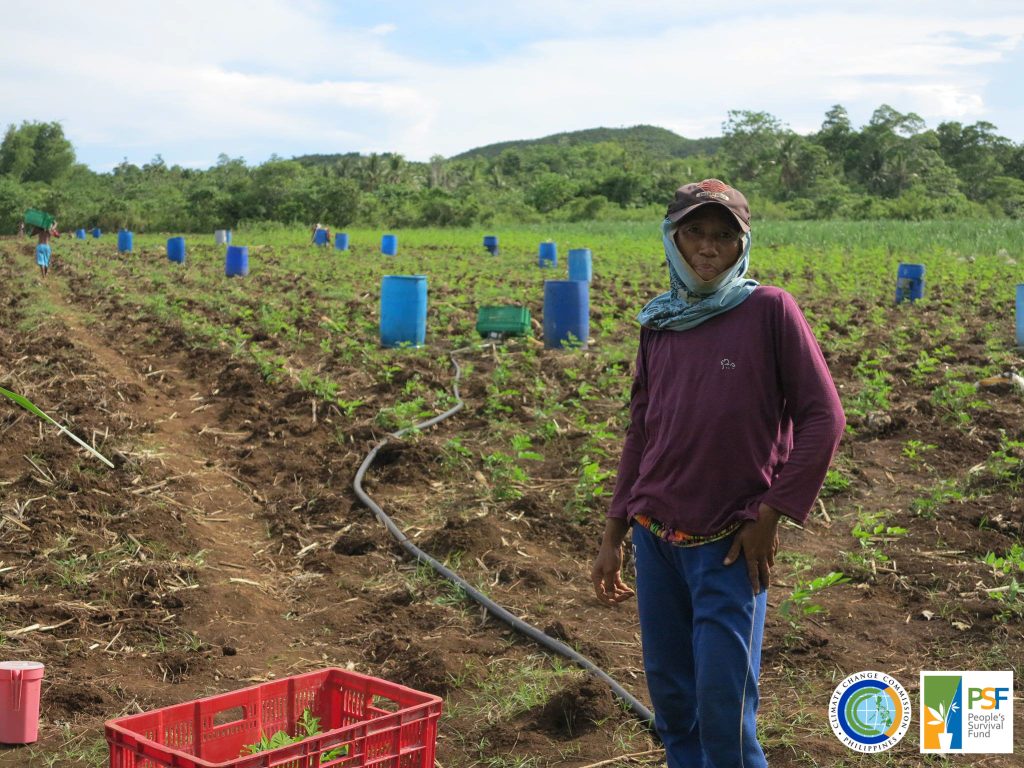
In India, YUVA trains youth and residents of informal settlements to map climate risks, reduce hazards, and develop community-based adaptation plans—proving that climate resilience can be built from the ground up, with citizens as the main agents of change.
From the government side, Brazil’s Ministry of Cities, through the Secretariat for Peripheries (SNP), offers a strong example of integrated action. Beyond upgrading slum areas, the agency incorporates climate mitigation and disaster risk reduction into all its urban development programs.
As high-level negotiations continue in the conference halls of COP30 Belém, transformative change is already unfolding in communities worldwide. From Rio’s favelas to Mumbai’s dense neighborhoods, local actors are demonstrating that grassroots action can drive global transformation.
The message is clear: while the world negotiates, cities act. And this attention to local action must not fade once the final gavel falls in Belém. (*)