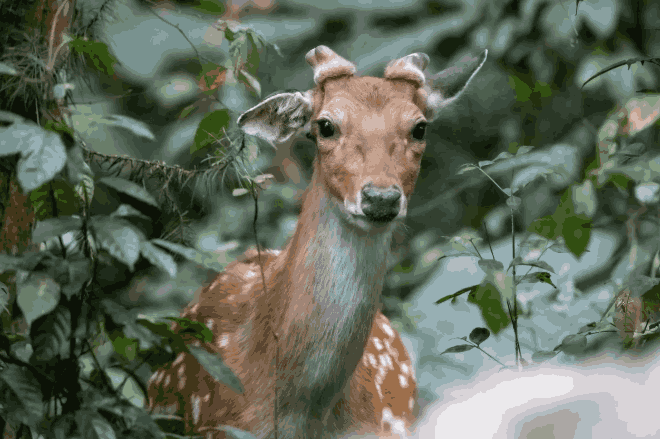
Enviro News Asia, Hanoi — Cuc Phuong National Park, in partnership with conservation organization Save Vietnam’s Wildlife (SVW), will gradually reintroduce approximately 60 native deer into the wild under a large-scale rewilding program aimed at restoring ecological balance and strengthening biodiversity conservation in Viet Nam.
The initiative forms a key component of Cuc Phuong National Park’s Rewilding Action Plan 2026–2035, with a long-term vision extending to 2050. It also supports the implementation of Viet Nam’s National Biodiversity Strategy and the country’s international commitments to nature conservation.
The program represents a significant shift in Viet Nam’s conservation approach, moving beyond wildlife rescue and captive protection toward rebuilding self-sustaining wild populations, restoring ecological functions, and improving the resilience of forest ecosystems. Guided by the principle of “Nature leads, humans support,” the initiative seeks to return native wildlife to their natural habitats and restore ecological relationships weakened by decades of habitat degradation and declining wildlife populations.
Nguyen Van Chinh, Director of Cuc Phuong National Park, said the project reflects the ultimate objective of wildlife conservation.
“The ultimate goal of conservation is not merely to rescue or keep animals in semi-wild conditions, but to return them to nature, where they can fully perform their ecological roles. Rewilding sika deer and sambar deer is the first step in restoring key ecological links that have declined over many years,” Chinh said.
According to the park, long-term ecological monitoring has shown that populations of large herbivores within Cuc Phuong’s limestone forest ecosystem have declined significantly, reducing seed dispersal, limiting natural forest regeneration, and affecting overall ecosystem stability.
The first phase of the program prioritizes the reintroduction of sika deer (Cervus nippon) and sambar deer (Rusa unicolor), both native species that play essential roles in maintaining healthy forest ecosystems.
The initial release is scheduled for June 29, 2026, with 19 animals—nine sika deer and ten sambar deer—being returned to the wild. The remaining animals will be released in stages until approximately 60 deer have been successfully reintroduced.
To improve post-release survival, the Cuc Phuong Rescue, Conservation and Species Development Center has implemented behavioral training programs that prepare the animals to adapt to natural conditions before release.
The selected release site is Bong Center, located deep within the park’s core conservation zone. The area provides suitable evergreen limestone forest habitat, permanent water sources, abundant natural food supplies, and minimal human disturbance, creating favorable conditions for successful rewilding and long-term ecological monitoring.
Alongside the releases, the park will strengthen habitat protection through enhanced ranger patrols, removal of illegal snares, prevention of wildlife crimes, and expanded use of the SMART monitoring system to improve conservation management and data collection.
Following their release, researchers will closely monitor the deer using GPS collars, VHF radio transmitters, camera traps, and other biological monitoring technologies. The monitoring program will assess the animals’ movements, habitat use, feeding behavior, health, reproduction, and overall adaptation to the wild.
Park authorities said the long-term rewilding initiative is expected to restore critical ecological functions within one of Viet Nam’s most important protected forest ecosystems while serving as a model for future wildlife restoration programs nationwide. (*)