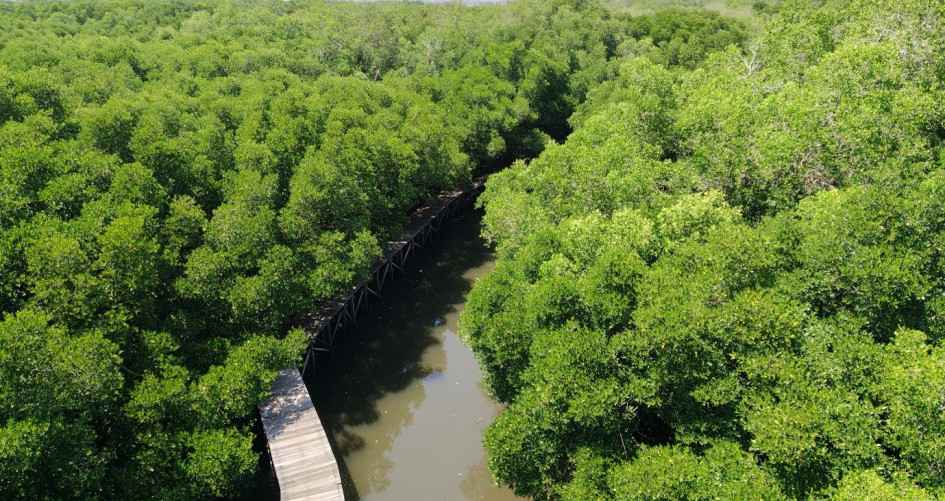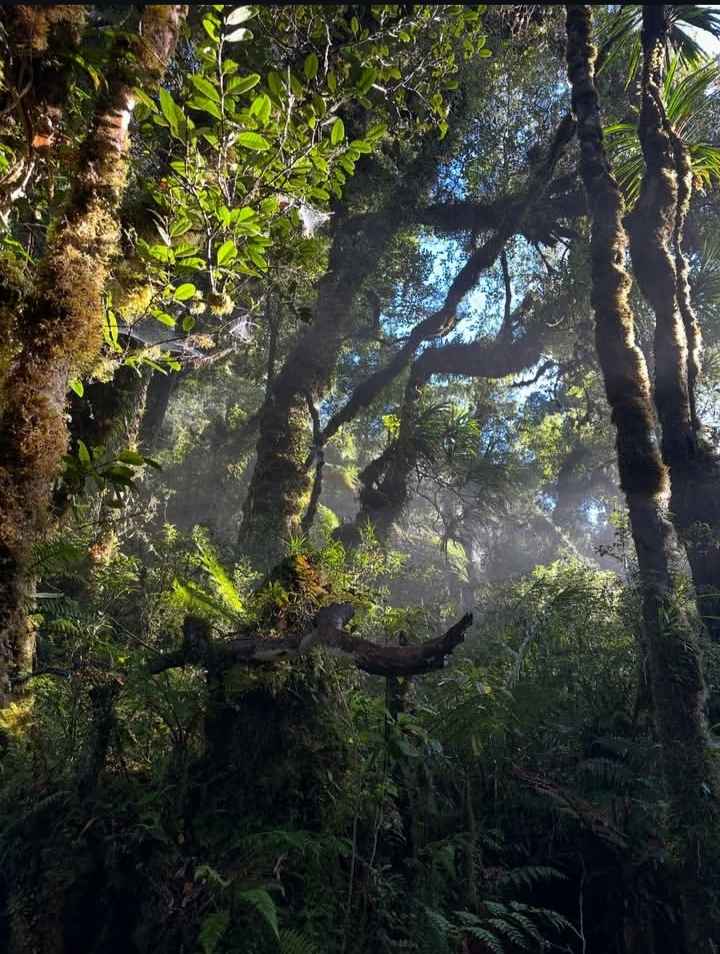
Enviro News Asia, Jakarta — Hollywood actor and environmental activist Leonardo DiCaprio has praised Indonesia’s reported shift towards using degraded land for agricultural development, saying the move could help protect nearly two million hectares of threatened tropical forest, particularly in South Papua.
In a social media post, DiCaprio highlighted an announcement by Indonesia’s Presidential Special Envoy for Climate and Energy outlining plans to use degraded land as an alternative to clearing natural forests for agricultural and plantation commodities, including rice, sugarcane and oil palm.
He described the policy shift as a historic development with implications not only for Indonesia but also for global biodiversity conservation and climate action.
“Historic news from the Republic of Indonesia in protecting its vital forests for national security and our global health,” DiCaprio wrote.
His post specifically referred to the food development programme in Merauke, South Papua, which he described as a proposed forest-clearing project that could become one of the largest of its kind in the world.
DiCaprio said the latest policy direction indicated a shift away from potential forest conversion towards the use of degraded land and ecosystem restoration.
He added that the approach could create an opportunity for Indonesia to pursue one of the world’s largest environmental restoration programmes.
The actor also argued that food security, nature conservation and climate action need not be competing priorities. With careful planning, he said, the three objectives could be pursued together through development policies that take environmental sustainability into account.
DiCaprio also referred to fires in Kalimantan and other parts of Indonesia, arguing that such incidents underscored the importance of protecting natural ecosystems as part of national security strategies.
His comments have brought renewed international attention to Indonesia’s role in safeguarding global biodiversity. As home to extensive tropical forests and diverse ecosystems, Indonesia’s forest management policies have implications beyond its national borders.
At the end of his post, DiCaprio congratulated and thanked the Indonesian government and people for what he described as an important step towards protecting the planet.
His remarks reflect international support for Indonesia’s stated direction on forest protection. However, the actual environmental benefits will depend on implementation, including the effective use of degraded land, protection of natural forests and restoration of damaged ecosystems. (*)